

How Commercial lighting installation transforms Bucks County properties
November 29th, 2025
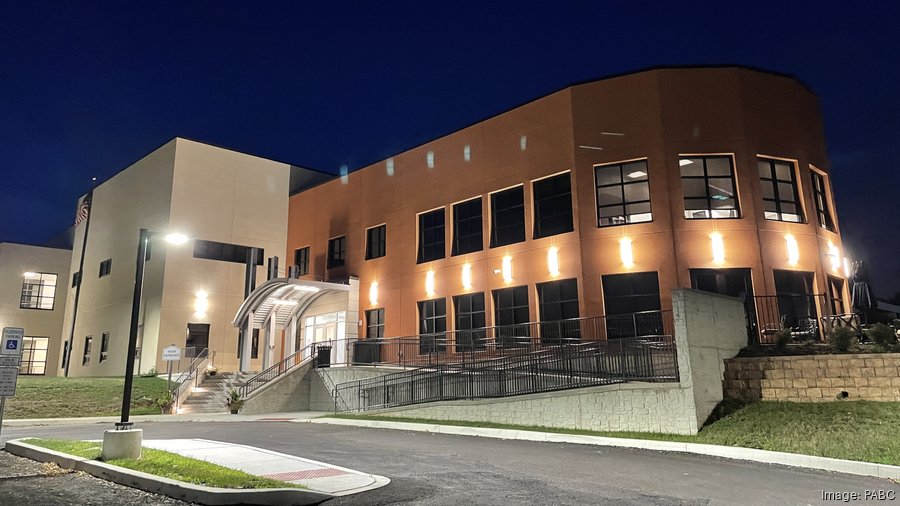
The Pennsylvania Biotechnology Center of Bucks County. Courtesy PABC. Example image shown for visual reference (external project).
Commercial lighting installation as a business booster, not just a line item
Commercial lighting installation is one of the few upgrades that can lower operating costs, improve safety, sharpen productivity, and change how customers experience a space without moving a single wall. In many commercial buildings, lighting alone accounts for a large and very fixable share of waste and friction.
The U.S. Department of Energy estimates that lighting represents up to 17 percent of energy use in commercial buildings, and that efficient systems like LEDs can cut that portion by roughly 50 to 70 percent, depending on the building and how it is used.
At the same time, research in workplace and environmental psychology has shown that well designed lighting can improve accuracy, shorten decision time, and reduce fatigue-related error in offices, warehouses, and technical spaces.
In Bucks County, a lot of commercial spaces sit in buildings that were never designed with modern lighting in mind. Converted mills, older downtown storefronts, former industrial sites turned into offices or creative workspaces, even newer flex buildings along major corridors often still run lighting layouts that were built around the architecture, not the work that happens there.
When the floor plan changes but the lighting does not, productivity and comfort start to suffer. That’s why treating commercial lighting installation as a performance decision rather than a generic electrical project is where the real gains begin.
Start with how the building works, not with what fixtures look good
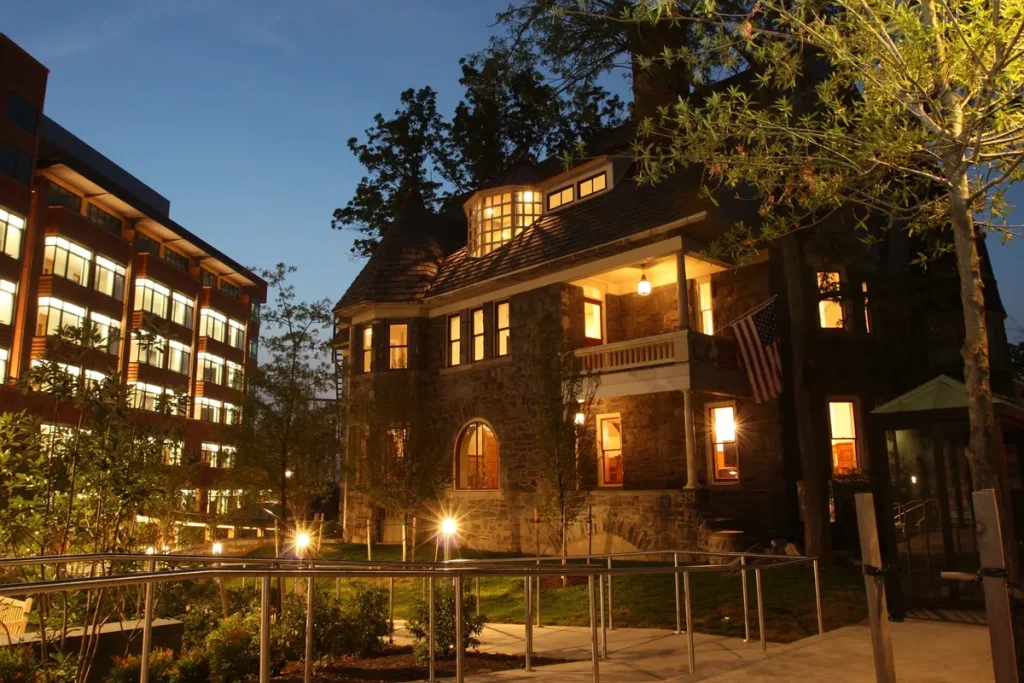
Nathan James Building in Doylestown. Example image shown for visual reference (external project). Image courtesy Patch.com
Effective commercial lighting does not start with catalogs or fixture shapes. It starts with a simple question: what needs to happen in each part of the building, and what kind of visibility supports that work best.
In a warehouse, that might mean clear vertical sightlines down long aisles, minimal shadowing at rack faces, and strong contrast between walking paths and forklift routes.
Or if you’re in an office setting, it often means even ambient light that does not create glare on screens, paired with localized task lighting at focus points.
For a medical or lab environment, accurate color rendering and visual clarity matter more than mood. In a retail store, lighting must help customers see true colors, fine detail, and product separation without feeling like they stepped into a spotlight.
Throughout much of Bucks County, there is another wrinkle: buildings with charm and history that were never wired for today’s use patterns.
Planning commercial lighting installation around current and future use instead of inherited layouts avoids that trap. It also makes it easier to add new zones, expand teams, or reconfigure equipment without fighting the ceiling every time.
Core types of commercial lighting and where they fit
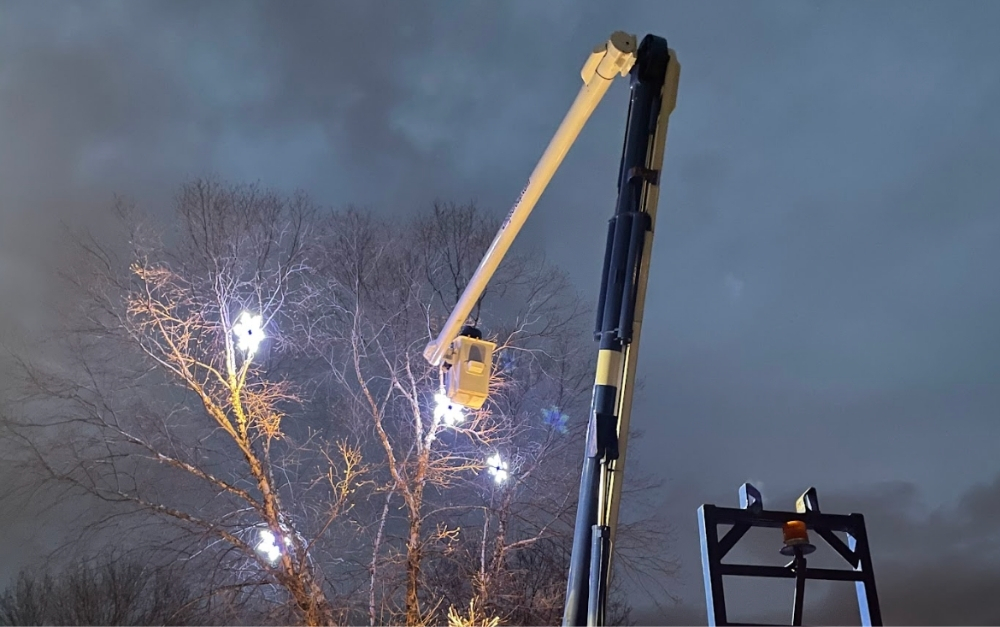
The Lingo Group installing some holiday lighting for a local business.
Most commercial buildings in Bucks County use a mix of lighting types, whether the owner planned it or not. A structured installation strategy simply makes that mix intentional instead of accidental.
Commercial and industrial lighting installations use several fixture types tailored to different spaces and functions.
- Panel or troffer fixtures are used for broad office areas, providing even, distributed light across workspaces. The U.S. Department of Energy provides comprehensive guidance on LED troffer upgrades and performance specifications.
- High bay or linear industrial fixtures illuminate tall warehouses or gyms where ceiling heights are significant. Federal guidelines specify efficiency requirements for these fixtures used in high-ceiling industrial spaces.
- Downlights or track lighting serve customer-facing spaces, allowing flexible or focused illumination. The DOE outlines efficiency standards for directional fixtures including recessed downlights and track systems.
- Specialized task lighting is installed where precision or inspection work requires concentrated light. Energy savings forecasts document task and accent lighting applications across commercial sectors.
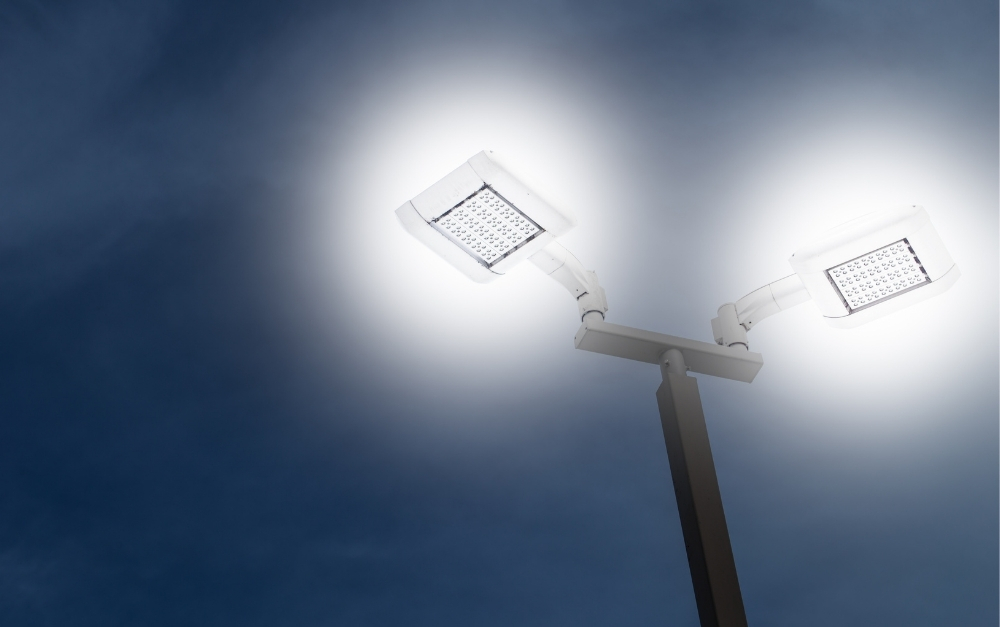
- Pole-mounted luminaires define exterior drive lanes and parking spaces in outdoor zones. FEMP provides detailed specifications for outdoor pole and arm-mounted area luminaires.
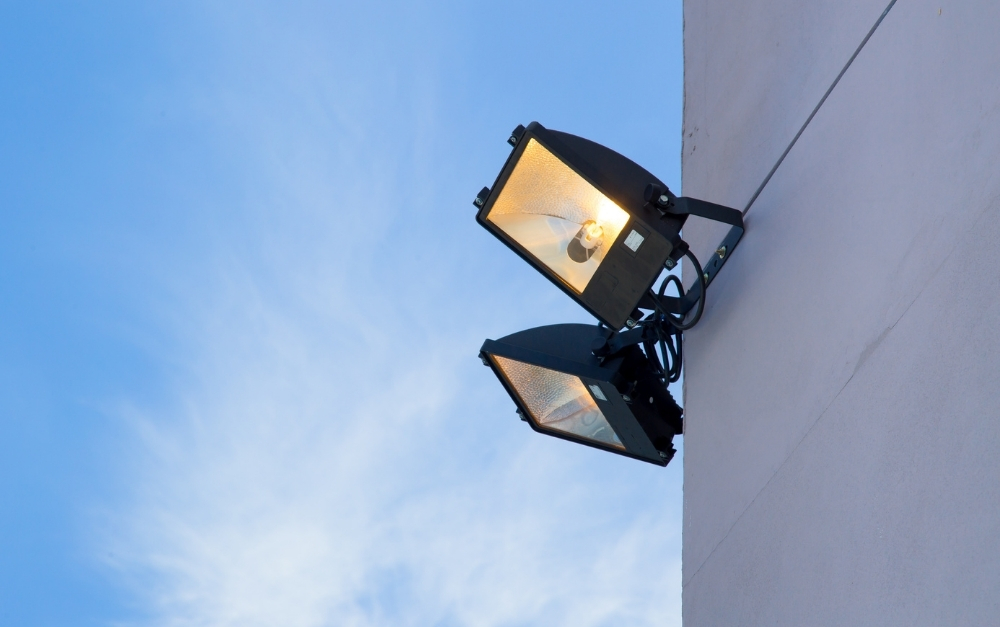
- Wall packs provide perimeter lighting for building exteriors and outdoor areas. DOE guidance addresses wall-mounted fixture applications for security and access lighting.
- Canopy fixtures illuminate overhead structures like gas station canopies or loading dock areas. Federal acquisition guidance covers fuel pump canopy luminaires and their efficiency requirements.
- Bollard lighting marks pedestrian routes and pathways in outdoor environments. The DOE highlights bollard applications in case studies demonstrating LED parking lot lighting implementations.
For properties with outdoor gathering areas, entry plazas, or landscaped courtyards, commercial lighting often overlaps with landscape and architectural design principles. Using some of the same composition ideas described in 10 Outdoor Landscape Lighting Ideas can help align exterior and interior experiences, especially on campuses or multi-building sites.
The key is not to flood everything with light, but to assign each fixture a job: general visibility, task clarity, safety guidance, or visual emphasis.
Energy, heat, and lifecycle: why older systems cost more than they look

Traditional fluorescent, metal halide, or high pressure sodium systems draw significantly more power per lumen than modern LED fixtures. They also generate more heat, which is wasted energy that can stress ceilings, ceilings tiles, and in some cases the cooling system.
The Department of Energy notes that LEDs can last three to five times longer than many older technologies while consuming a fraction of the energy. That difference compounds over time: less power per hour, fewer lamp or ballast replacements, fewer disruptions for re-lamping lifts or ladder work, and less waste.
State-level resources such as Penn State Extension’s energy guidance reinforce this picture for Pennsylvania building owners, showing how the economics of lighting upgrades tilt heavily toward modern, efficient systems when life cycle cost is considered, not just initial purchase price.
In a Bucks County office that runs ten or twelve hours a day, or a manufacturing building that runs multiple shifts, the math becomes even more favorable. Every hour that lights are on, a well designed system costs less, throws off less heat, and maintains more consistent light levels.
Local conditions that shape commercial lighting in Bucks County
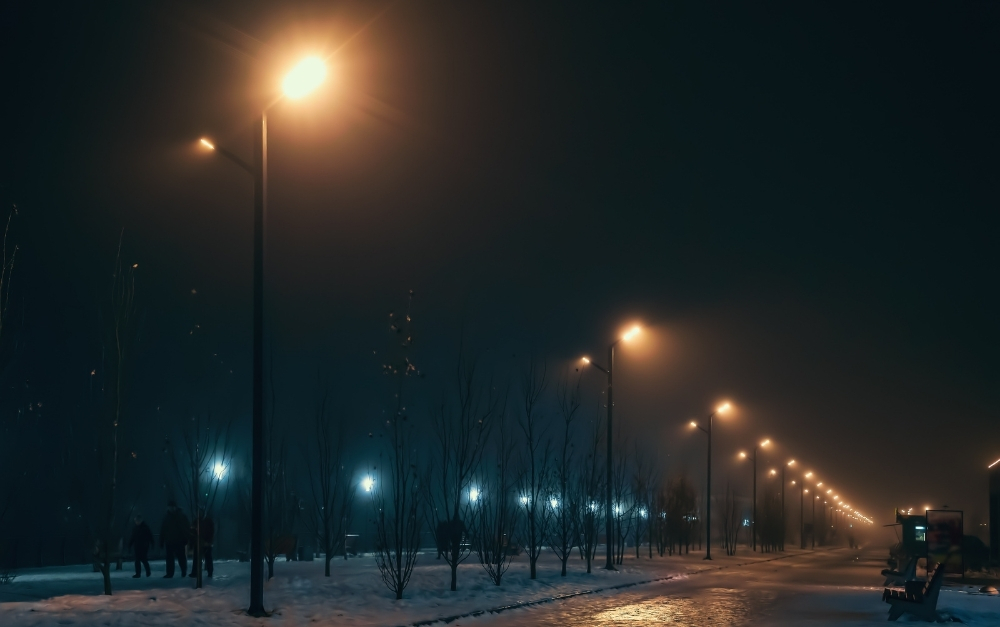
Commercial lighting installation in Bucks County has some specific constraints and opportunities that differ from a generic, anywhere-USA project.
Older downtown areas such as Doylestown and Newtown often include buildings with protected facades or historic design expectations. That can limit what can be mounted on exterior walls or how conduit is run, which makes planning important.
Industrial and flex corridors near places like Warminster, Warrington, and Chalfont often include older warehouses with patchwork upgrades, where some parts of a building have been modernized while other sections still run original fixtures.
Seasonality matters too. Winter brings shorter days and long periods of artificial lighting, plus potential exposure to cold and moisture for any exterior fixtures. Articles such as Outdoor Lighting Systems: Winter show how freeze–thaw cycles, snow, and ice affect hardware selection, aiming, and maintenance. Those same principles apply at commercial building entries, loading docks, and walkways that need consistent and safe illumination through a Pennsylvania winter.
There is also the mix of use types. A single property might include a showroom, a shop floor, an office wing, and a yard or lot. Each zone has different lighting needs, but all are part of a single system that must be manageable for staff.
Key benefits of a modern commercial lighting installation
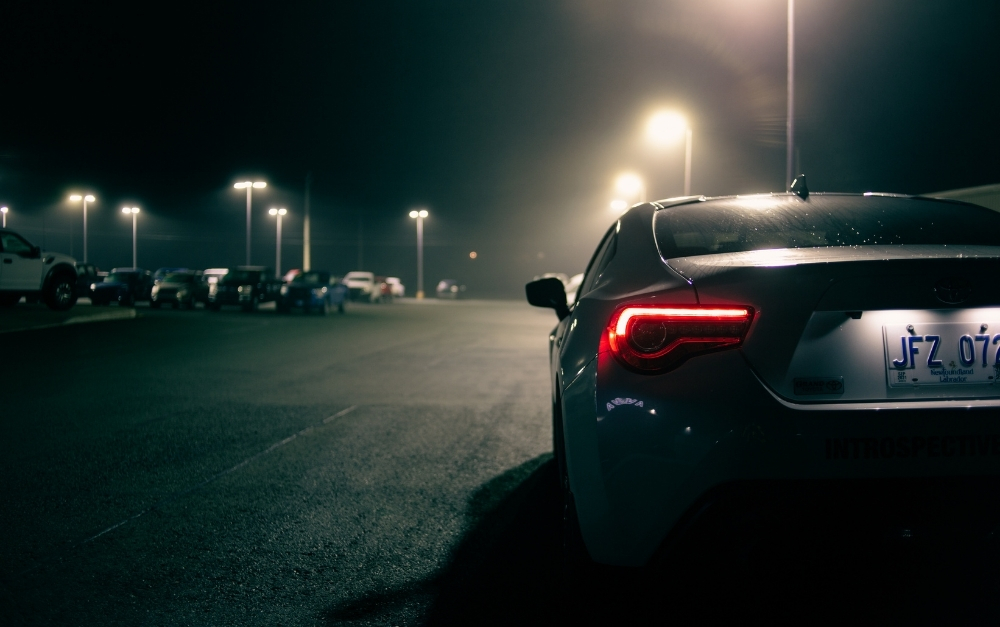
A strategically designed lighting system creates measurable returns across energy, safety, productivity, and asset value:
- Up to 50-70% reduction in lighting-related electricity use compared to older systems, depending on fixture type and operating hours
- Clearer visibility at task locations, with less shadow and better contrast, which directly affects accuracy and speed
- Appropriate brightness and color temperature for screens, paper work, and fine detail work, especially in offices and labs
- Higher color rendering and targeted light placement for retail and showroom environments
- Longer fixture lifetimes and slower lumen depreciation reduce how often spaces are interrupted for re-lamping or repair
- Improved detection of tripping hazards, clear perception of steps and transitions, and better visibility in vehicle and pedestrian mixing zones
- Energy-efficient, well-controlled lighting systems are increasingly part of how buyers and tenants evaluate commercial real estate
Layered lighting design: ambient, task, and accent
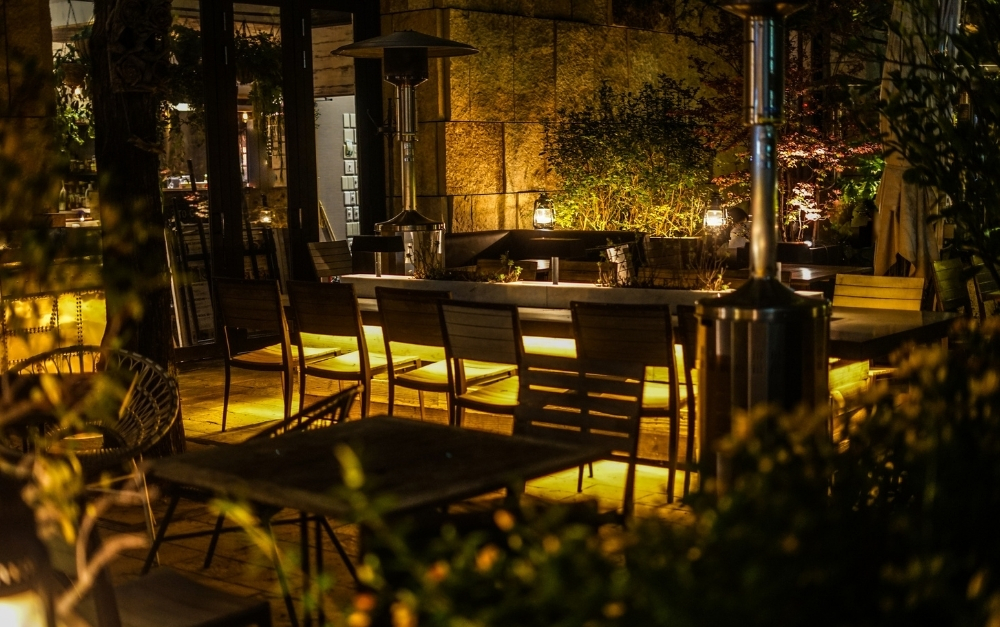
One of the biggest differences between basic and professional commercial lighting installation is the use of layers instead of a single blanket of light.
Ambient lighting is the base layer. It creates general visibility so people can navigate, recognize faces, and orient themselves. In offices, this is often achieved with grid-mounted panels or recessed fixtures. In industrial spaces, it might be long-run linear fixtures or high bay lights.
Task lighting focuses where work actually happens. That can be under-cabinet fixtures at work benches, suspended lights over assembly tables, local illumination at inspection stations, or additional light at transaction counters. When task lighting does its job, ambient lighting does not need to be excessively bright.
Accent lighting is limited in commercial applications but powerful when used well. It might highlight a logo wall, a key product display, or architectural features in a lobby. It is less about function and more about wayfinding and identity.
Layering these elements allows different zones and activities to coexist in the same building without one lighting solution overpowering everything.
Color temperature, contrast, and visual comfort
Color temperature is one of the most overlooked variables in commercial lighting installation, even though it is simple to specify and has a big impact on comfort and clarity.
Warm white (around 2700–3000 Kelvin) works well in hospitality zones, lounges, and waiting areas where a softer, more relaxed feel is desired. Neutral white (roughly 3500–4000 Kelvin) is often ideal for offices and general work environments because it balances clarity and comfort. Cooler white (4000–5000 Kelvin) can be appropriate in industrial settings, laboratories, and detailed inspection areas where stark clarity is more important than ambiance.
When color temperature is mismatched to the task, workers fatigue faster, especially under long shifts. Lighting that is too cool in a client lounge can feel clinical. Lighting that is too warm in an assembly area can make fine detail harder to see. Over time, that mismatch quietly erodes performance.
Contrast and glare are closely related. Even with the correct color temperature, a fixture that directly hits screens or polished surfaces can cause reflections and visual stress. Modern optics, careful aiming, and thoughtful positioning can control this without sacrificing brightness.
Controls, zoning, and automation
Modern commercial lighting installation almost always benefits from intelligent control, even in relatively simple buildings. At the low end, this might mean time clocks and some grouping logic. At the higher end, it might mean networked lighting control systems with scene settings, daylight harvesting, occupancy sensors, granular scheduling, and feedback.
In Bucks County facilities with long operating hours, it is common to see entire floors lit at full output when only one or two people are working late. Zoning, scheduling, and occupancy sensing can prevent that, while still maintaining safety and security lighting where needed.
Segmentation can be as basic as separating warehouse aisles from picking stations or as complex as giving each department, conference room, and corridor its own profile. The key is to align lighting behavior with actual use, rather than defaulting to “everything on, all the time” out of habit.
Typical installation flow in a commercial setting

A successful lighting retrofit follows a structured progression that balances thorough planning with practical execution.
1. Survey and Assessment
The process begins with a thorough evaluation of the existing system, electrical capacity, and how space is actually used. This includes light level readings, visual inspections, and documentation of where people work or move through the environment. Understanding the baseline and real-world usage patterns is essential before moving forward with design.
2. Design and Photometric Modeling
Once the current state is understood, the design phase uses photometric modeling to predict how various fixture types and configurations will perform before anything is installed. This allows decisions to be made on paper rather than trial-and-error in the field, saving time and reducing costly mistakes.
3. Specification, Installation, and Commissioning
The specification phase selects actual products based on output, optics, durability, controllability, and compatibility with local electrical codes. Installation is usually staged to minimize disruption, often during off hours, weekends, or in phases that keep critical operations running. Finally, focus and commissioning fine-tune aiming, brightness, and control logic—where real-world experience meets design intent. In many cases, a follow-up visit a few weeks later can catch small adjustments that only become obvious once people have used the space under the new lighting for a while.
Common failure points in commercial lighting
Problems in commercial lighting installations tend to repeat from building to building.
One issue is overlighting, where more light is installed than needed, especially in lobbies, corridors, and support spaces. Another is underlighting in places where detail and accuracy matter, such as inspection lines, quality control stations, and documentation desks. A third recurring problem is mixing fixture types and color temperatures without a plan, which makes spaces feel patchwork and inconsistent when new areas are added or renovated.
There is also the tendency to treat exterior lighting as separate from interior planning, even though a visitor or employee experiences the property as a continuous trip from parking, to entry, to interior destinations. Aligning these pieces, and using data such as that found in Outdoor Lighting Systems: Winter, helps the site function as a cohesive whole.
Many of these failure points come back to the same root cause: lighting chosen for convenience or initial price instead of mapped to the work and the building’s long-term role.
Closing perspective
Commercial lighting installation in Bucks County is not just about making spaces brighter. It is about making decisions, movement, and work safer, easier, and more reliable, using a system that quietly does its job every single day.
When lighting is aligned with energy performance data, local conditions, real usage patterns, and proven design principles, it becomes infrastructure, not decoration. Energy use drops. Mistakes fall. Maintenance slows down. Customers and employees move through spaces that simply feel “right” without knowing exactly why.
Only one ellipsis belongs here, and it fits: good lighting does its work in the background…and the building performs better because of it.