
Do You Need Plowing Only, or Full Snow and Ice Management for Your Property?
December 22nd, 2025

For most active commercial properties, plowing alone isn’t enough. If your site has regular foot traffic, early-morning arrivals, or any real liability exposure, you’re going to need full snow and ice management.
The reason is simple. Snow isn’t the main problem. Ice actually is.
Plowing clears accumulation. It does nothing for melt-off, refreeze, black ice, or the slick conditions that show up hours later when no one’s around. That’s where most slip incidents and emergency calls actually come from.
Some properties can get by with plowing only. Many think they can. The difference comes down to how your site behaves after the plow leaves.
Read on to find out definitively if your Bucks County property needs ice management and how to properly handle it for year round safety.
Plowing only VS Full Snow and Ice Management 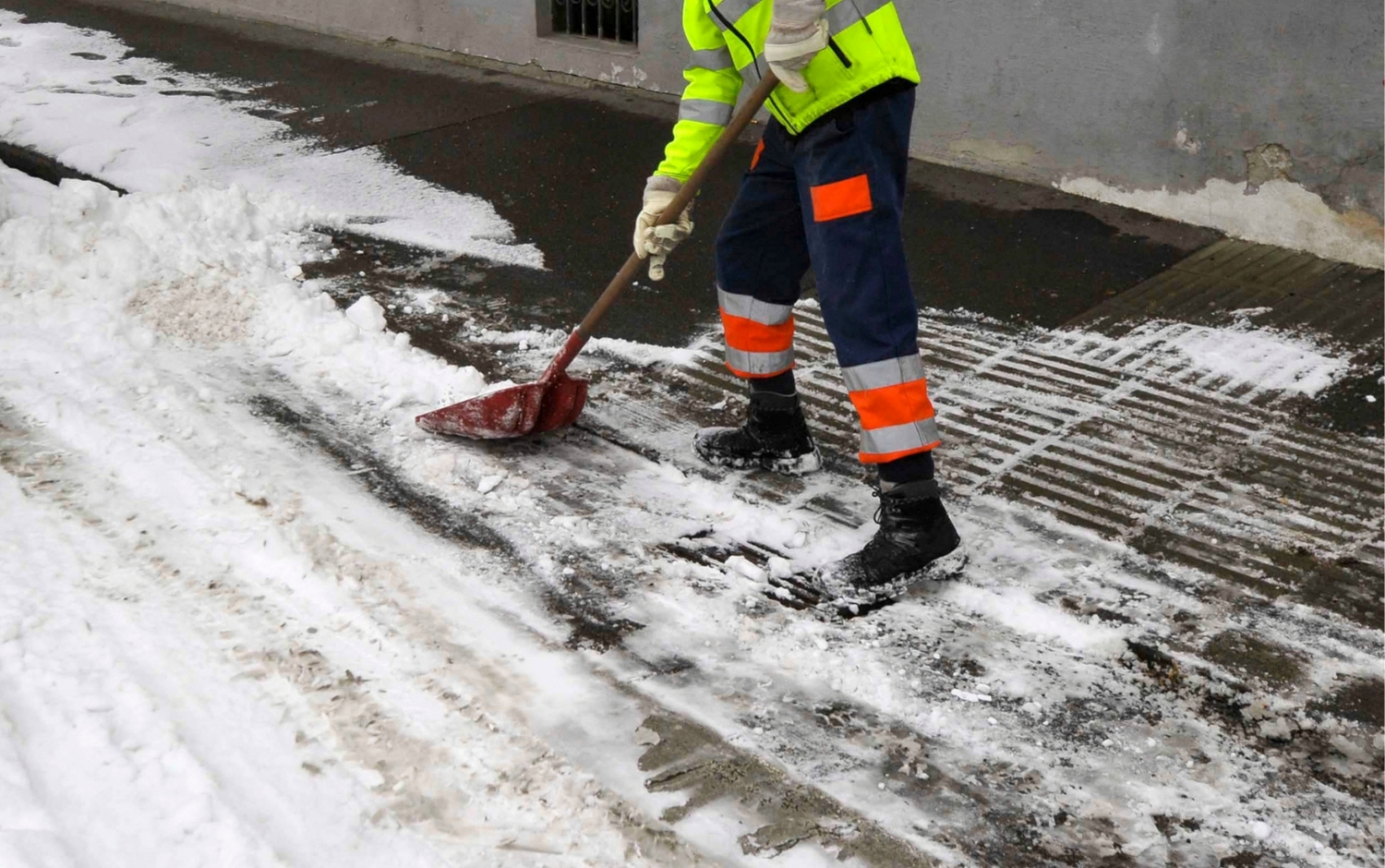
At the simplest level, the difference is this:
Plowing removes accumulation. Full service manages the surface before, during, and after storms.
Here’s how that breaks down in practice:
| Approach | What it typically includes | What it does well | Where it falls short |
|---|---|---|---|
| Plowing only | Clearing vehicle lanes and parking areas once snow hits a trigger depth | Opens lots quickly after snowfall | Doesn’t address ice, refreeze, or pedestrian safety |
| Full snow and ice management | Plowing, salting, pretreating, sidewalk clearing, refreeze checks, repeat visits | Keeps surfaces safe and usable through the entire event | Requires more planning and coordination |
| Hybrid coverage | Plowing plus limited salting or sidewalks | Middle ground for lower-risk sites | Gaps often show up during freeze-thaw cycles |
Plowing is a tool. Management is a system.
And winter rewards systems… not one-time fixes.
When plowing only might be enough
There are situations where plowing-only service can work.
Usually that’s when:
- The site has very low foot traffic
- Slip-and-fall risk is minimal
- Tenants aren’t arriving early morning
- There’s little exposure to public access
- Budget constraints outweigh liability concerns
Think storage yards, limited-access facilities, or properties where in-house staff handle sidewalks and salting.
Even then, we’ve seen problems show up after melt-off. A sunny afternoon followed by a hard overnight freeze can turn a “plowed” lot into a skating rink by morning.
If you’re choosing plowing only, you’re essentially betting that ice won’t become your main issue.
That bet doesn’t always win.
When full snow and ice management becomes necessary
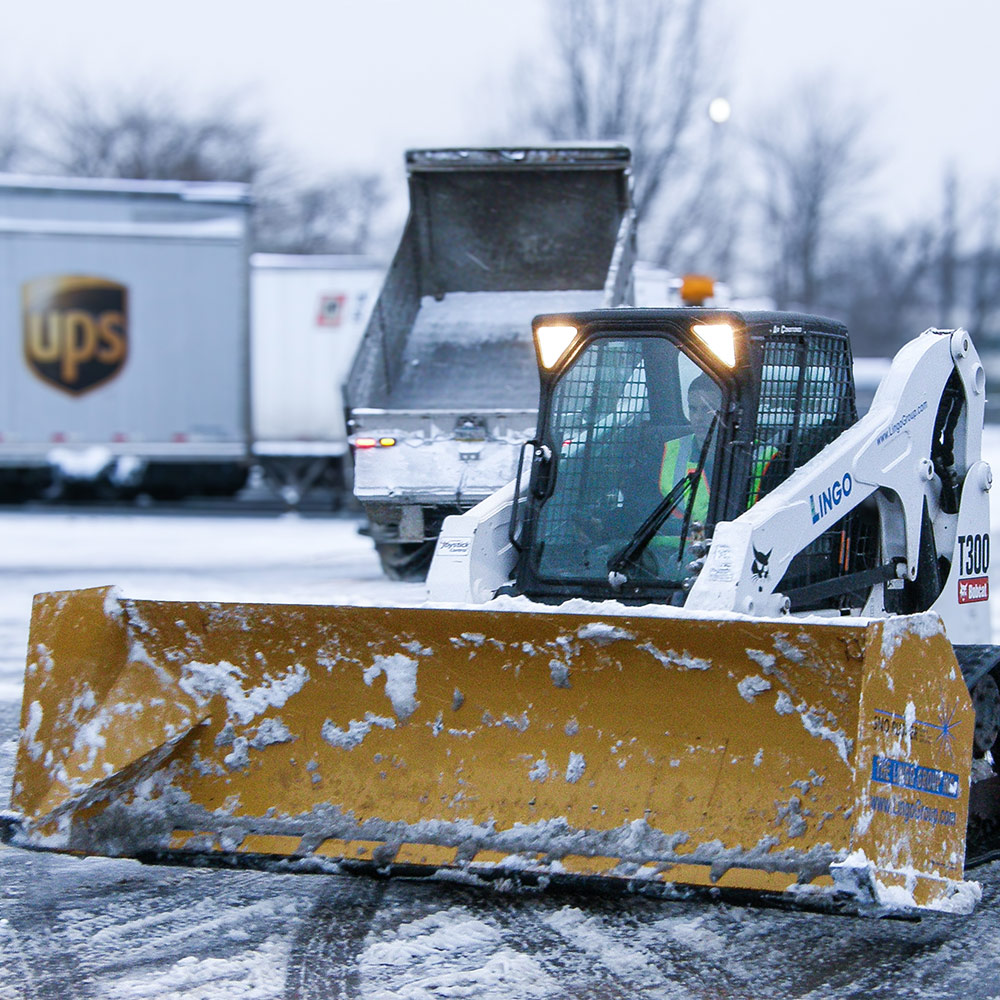 Once a property has real pedestrian traffic, tenant expectations, or liability exposure, full service stops being a luxury and starts being risk control.
From what we see on commercial sites, full coverage makes sense when:
- Employees or residents arrive early morning
- You manage retail, medical, or office space
- Sidewalks and entrances must stay open
- Refreeze happens regularly due to drainage or shade
- Your insurance carrier expects documented ice control
This is where snow and ice management earns its name. It’s not just reacting to accumulation. It’s anticipating how the site behaves through the storm cycle.
For context on how serious winter slip hazards are, OSHA’s winter weather safety guidance lays out just how quickly untreated surfaces become a risk for workers and visitors alike.
Rule of thumb from real winter sites:
If a lot looks wet and clear after plowing, assume it will be ice by morning.
Most slip incidents don’t happen during snowfall.
They happen hours later, during overnight refreeze.
If your plan doesn’t include early-morning ice checks, you’re managing snow… not winter risk.
What “full service” really includes on commercial sites
Not all full-service programs are created equal. On well-run properties, here’s what it usually means in the field:
| Service component | What happens on site | Why it matters |
|---|---|---|
| Pretreatment | Salt or liquid applied before storms when conditions allow | Reduces bonding and makes plowing more effective |
| Plowing | Clearing lanes, aisles, and access routes during accumulation | Maintains vehicle access throughout events |
| Sidewalk clearing | Dedicated crews for walkways and entrances | Pedestrian areas are where most incidents occur |
| Deicing | Salt or treated materials applied during and after snowfall | Prevents ice buildup and improves traction |
| Refreeze monitoring | Return visits after melt-off and overnight freezes | Catches black ice before people do |
| Repeat service | Multiple passes during long storms | One pass rarely solves an all-day event |
| Documentation | Time-stamped service logs | Supports insurance, compliance, and tenant reporting |
This isn’t about doing “more.” It’s about doing the right things at the right times, based on how the site actually reacts to winter.
How site conditions change the answer
 Two properties can get the same snowfall and behave completely differently.
We look closely at things like:
- Drainage patterns that create overnight ice sheets
- North-facing areas that never see sun
- Loading docks where melt water pools
- High-curb islands that trap slush
- Wind exposure that drifts snow back into cleared zones
These details matter more than the total inches.
A flat, open lot with good drainage might get by with limited ice control. A shaded office complex with heavy sidewalks and poor runoff usually won’t.
This is why walking the site before winter is critical. Paper plans don’t show where ice really forms.
Budgeting: upfront savings vs downstream cost
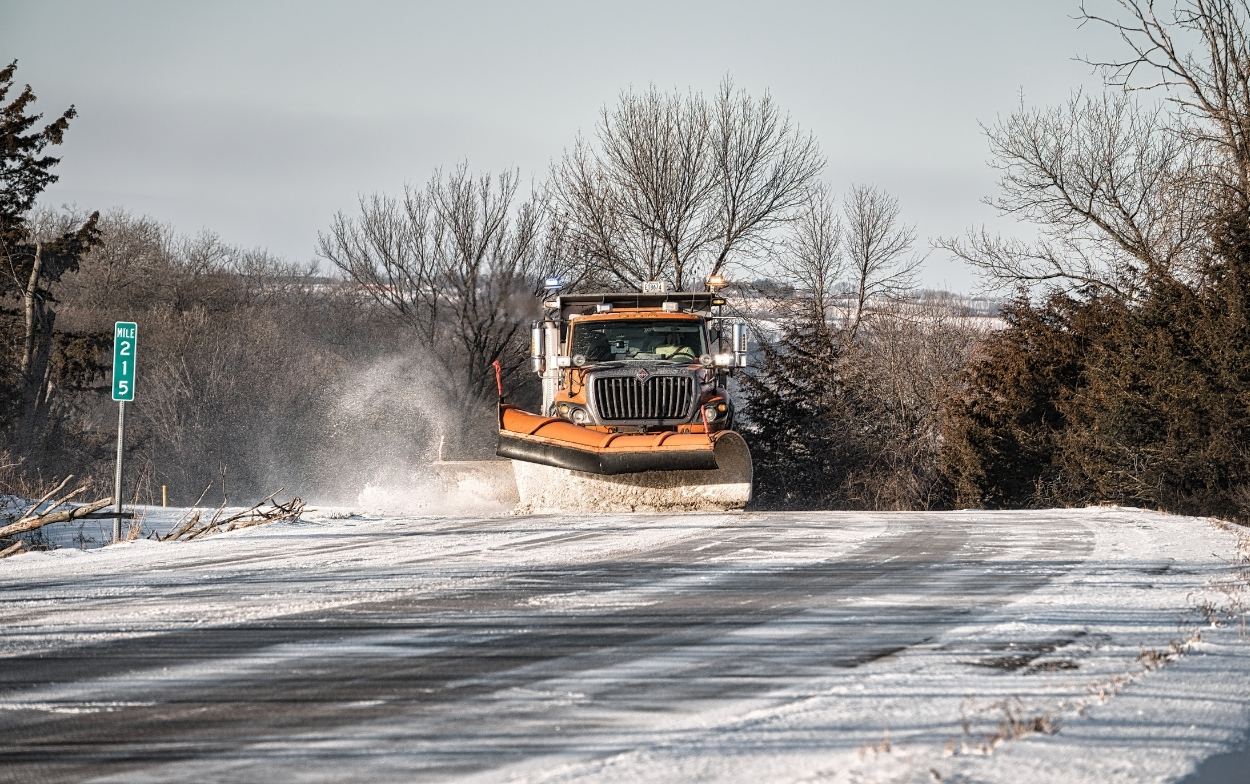 Plowing-only service almost always looks cheaper at first glance. Fewer services, fewer line items, and a lower number of course.
But what we’ve seen over time is that the real costs show up later:
- Emergency salt calls at premium rates
- Tenant complaints and service disputes
- Internal staff scrambling to spread product
- Increased risk of claims after refreeze events
- Spring damage to turf and curbing from unmanaged ice piles
Full coverage costs more up front, but it usually stabilizes winter spending and reduces surprise calls when conditions turn.
It also ties into long-term site performance. Ice damage affects pavement edges, concrete, and surrounding landscape areas. That carries straight into spring recovery and ongoing maintenance.
For many of our clients, winter isn’t just about access. It’s about protecting the asset.
How we approach this at The Lingo Group
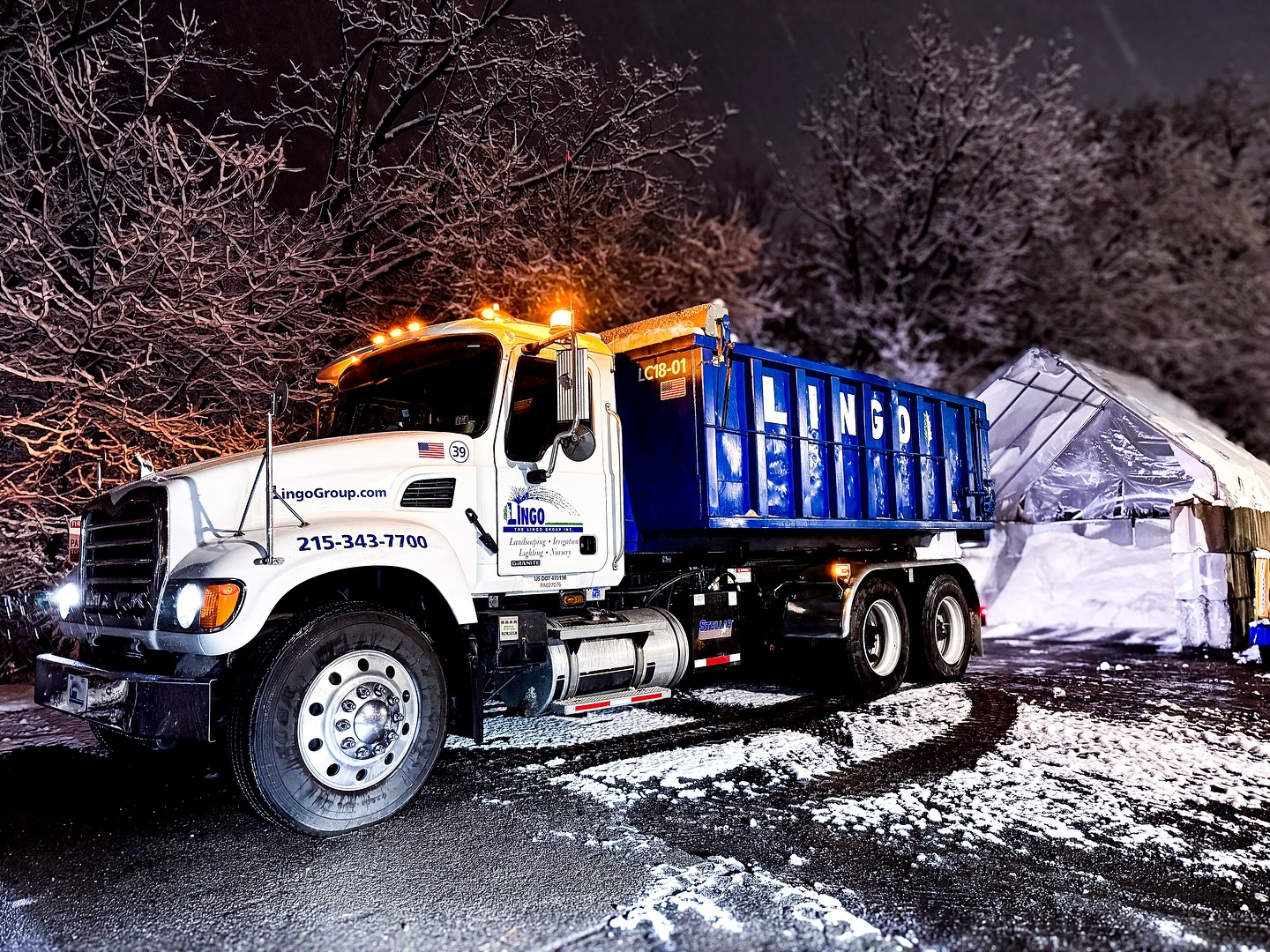
Our large snow removal truck used for off-site snow hauling
Snow service is part of how we support properties year-round, alongside our commercial landscaping services and site enhancement work that keeps properties functional and professional in every season.
When we design a winter plan, we’re not guessing. We’re looking at:
- How traffic flows at peak hours
- Where snow can be stacked without blocking sightlines
- Which walkways are truly critical
- How refreeze has affected the site in past winters
- How winter operations impact turf and curbing come spring
Our snow management services are built around that reality. Crews, equipment, and schedules are aligned to the specific property, not just the forecast.
And because winter decisions affect everything else, we treat snow as one piece of the larger site system…not an isolated service.
If you want to see the kinds of commercial properties we’re used to working on, our project portfolio gives a good sense of the scale and complexity we’re familiar with.
A quick comparison for decision-makers
Here’s the question we usually ask:
Is your biggest winter risk snow depth…or ice on walking surfaces?
Most of the time, it’s the ice.
| If your priority is… | Plowing only tends to fit | Full service tends to fit |
|---|---|---|
| Opening lots after snowfall | ✓ | ✓ |
| Keeping entrances and sidewalks safe | ✓ | |
| Managing freeze-thaw cycles | ✓ | |
| Minimizing liability exposure | ✓ | |
| Lowest upfront number | ✓ | |
| Predictable winter operations | ✓ |
There’s no universal answer. But there is a right answer for each site.
The Lingo Takeaway
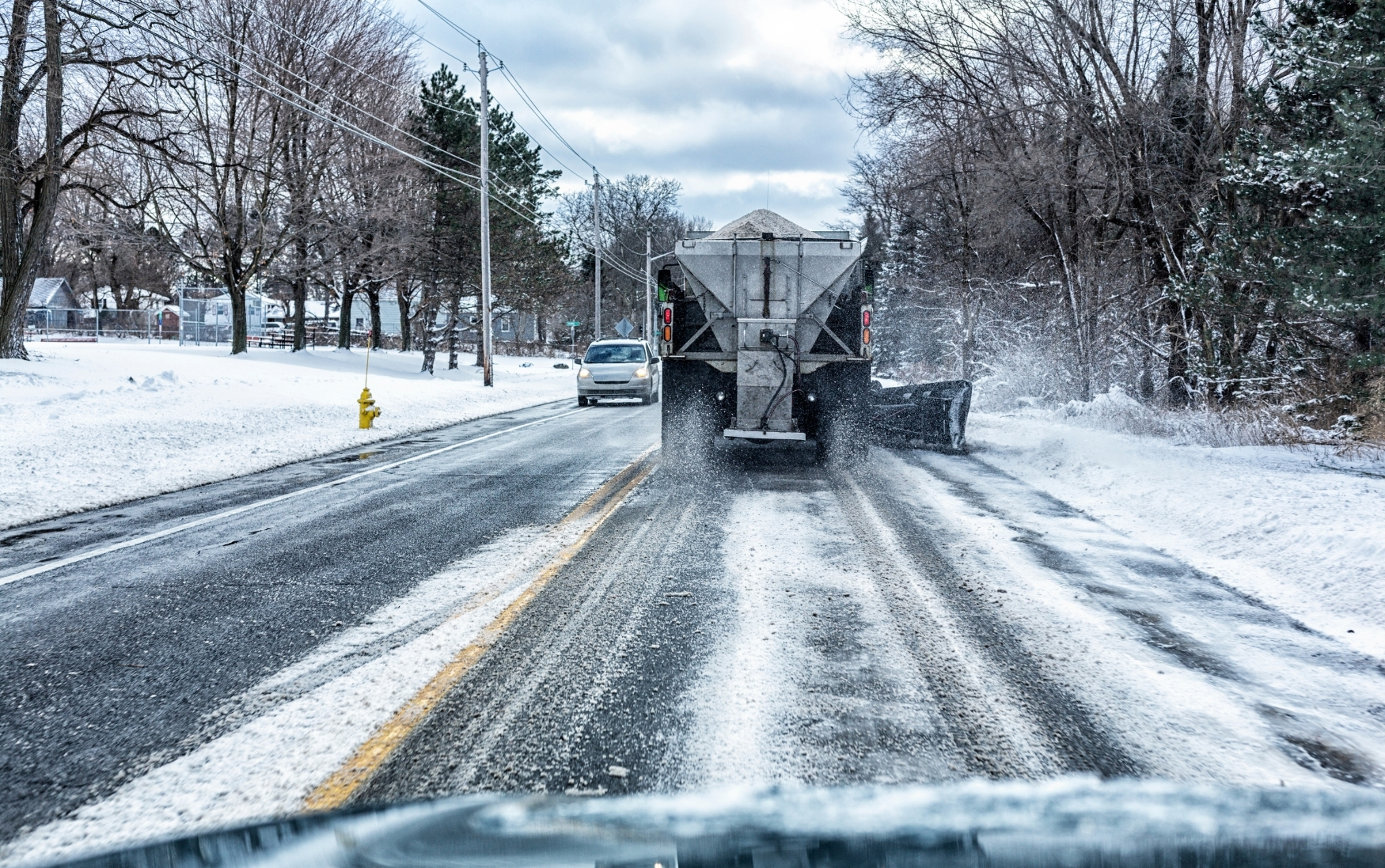 If winter only meant snow piling up, plowing would solve most problems.
But winter is really about surfaces, like how they melt, refreeze, glaze over, and surprise people when they least expect it.
That’s why snow and ice management are crucial to keep a property safe and usable through the entire storm cycle.
For low-risk sites, plowing might be enough, sure.
But for most active commercial properties, managing ice is what keeps winter from becoming the season of complaints, close calls, and late-night emergency calls.
In our experience, the properties that ride out winter smoothly are the ones that planned for ice first and snow second.
If you manage a commercial property in southeastern Pennsylvania, we work across Doylestown, Newtown, Warrington, Chalfont and Buckingham. See our commercial snow removal and snow management service or all service areas, and call (215) 343-7700 before the season fills.