5 Things Most Irrigation Companies Often Miss (And Could Cost You Big)
January 20th, 2026
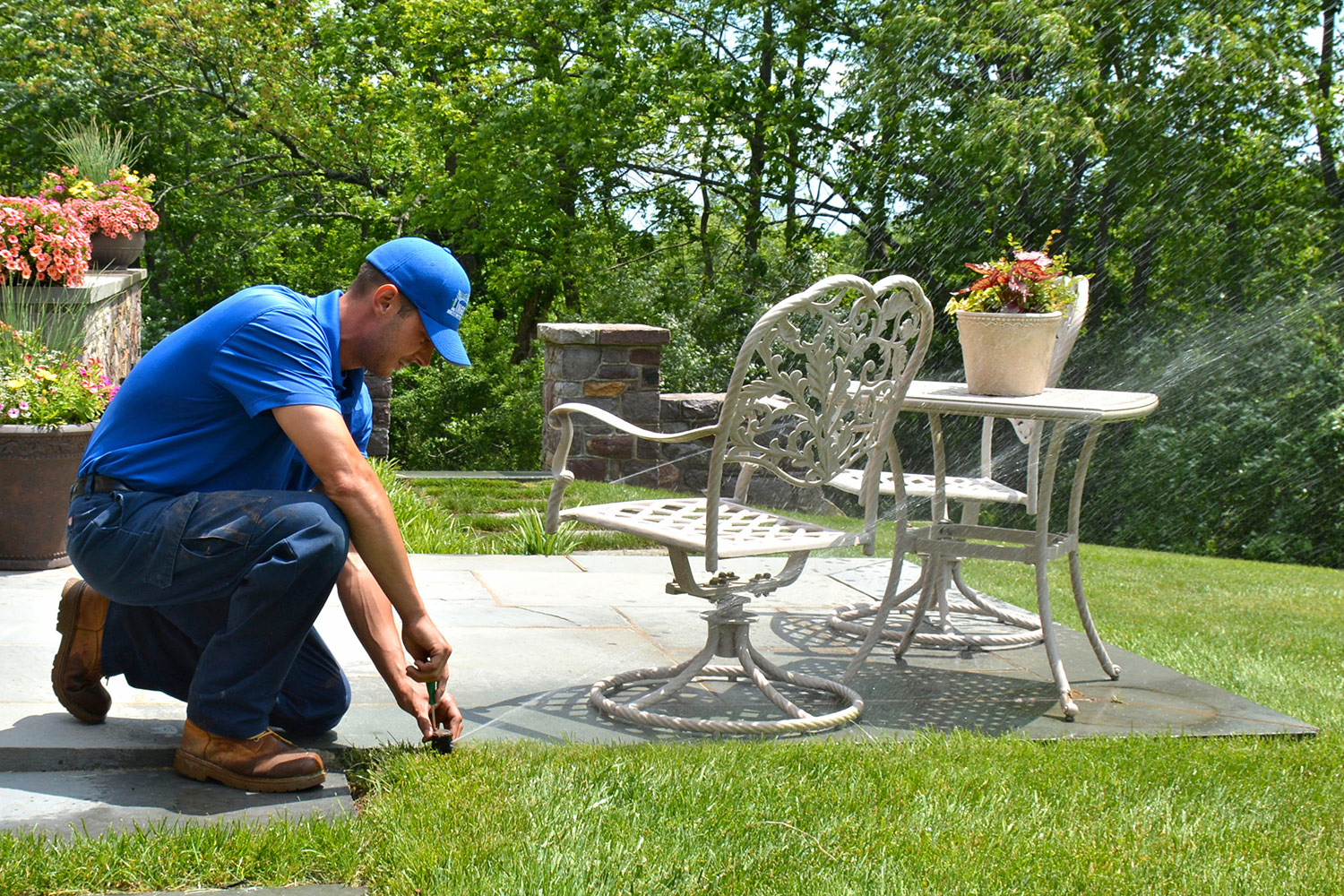
When commercial property owners start comparing irrigation companies, the conversation usually centers on pricing, install timelines, and whether the system is “smart.” That makes sense on the surface.
But after decades of working with complex commercial landscapes across Pennsylvania, we’ve learned something the hard way: the biggest irrigation failures don’t come from dramatic mistakes. They come from small, overlooked details that quietly drain budgets over time.
Many irrigation companies do technically competent work, yet still miss key factors that affect water efficiency, plant health, liability exposure, and long-term operating costs.
The result isn’t immediate disaster. It’s higher water bills, stressed turf, declining plant material, and repeat repairs that feel unavoidable…even though they aren’t.
Below are five of the most common things irrigation companies miss, why they matter, and how each one can end up costing you far more than expected.
Why Irrigation Oversights Hit Commercial Properties Harder
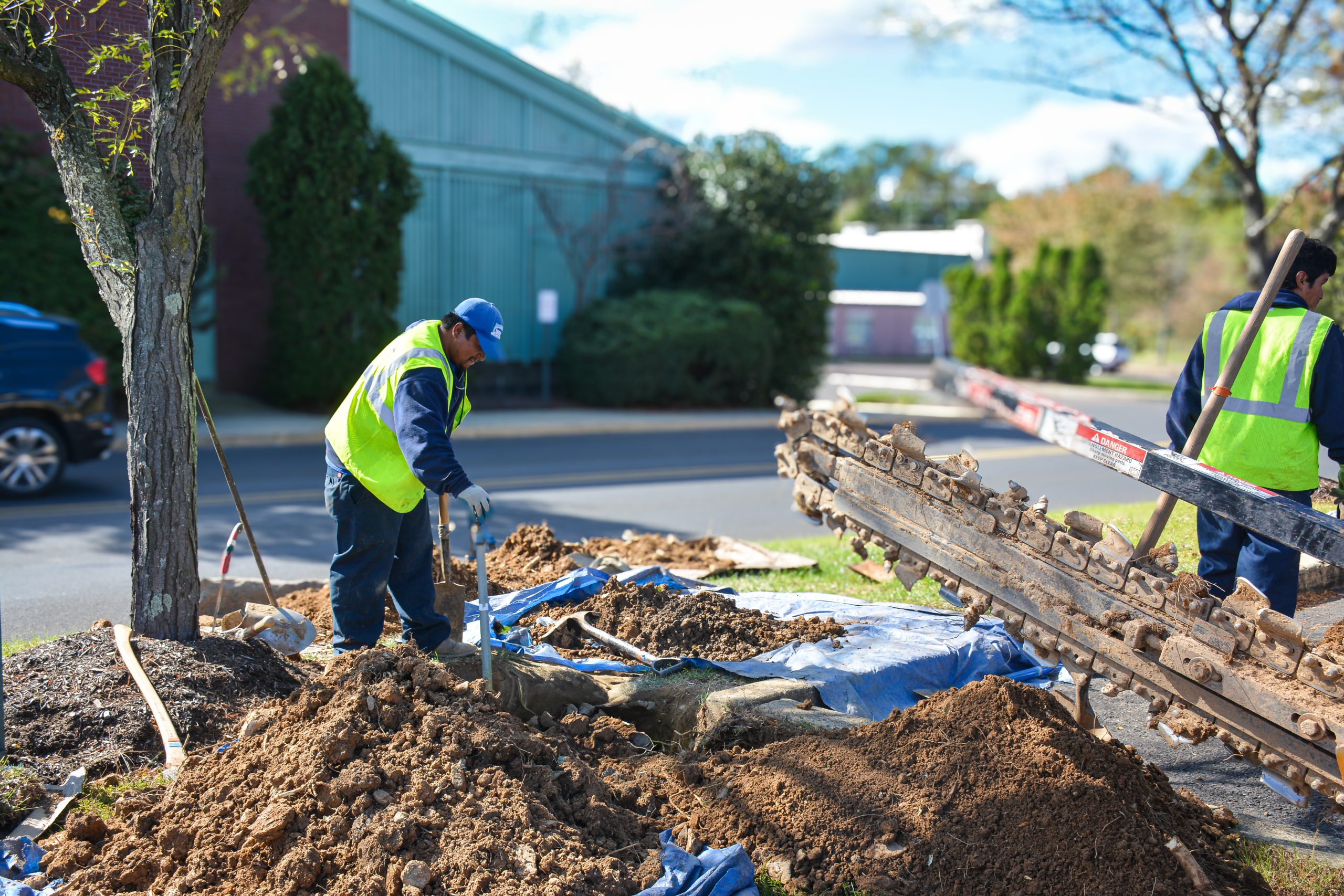
Commercial landscapes don’t get a grace period. They’re exposed to daily foot traffic, visibility expectations, safety standards, and budget scrutiny. Irrigation problems show up faster and hit harder because:
- Water waste scales quickly on large properties
- Plant failure becomes highly visible
- Drainage or runoff issues increase slip-and-fall risk
- Repairs often disrupt business operations
That’s why our irrigation systems are designed to protect a landscape investment, not slowly undermine it.
Field Note
Most irrigation companies are happy to explain how a system works on a perfect week. That’s not the week that costs you money.
Instead, ask this:
“What happens during the worst week of the year for this property?”
1. Skipping a True Site-Specific Water Evaluation
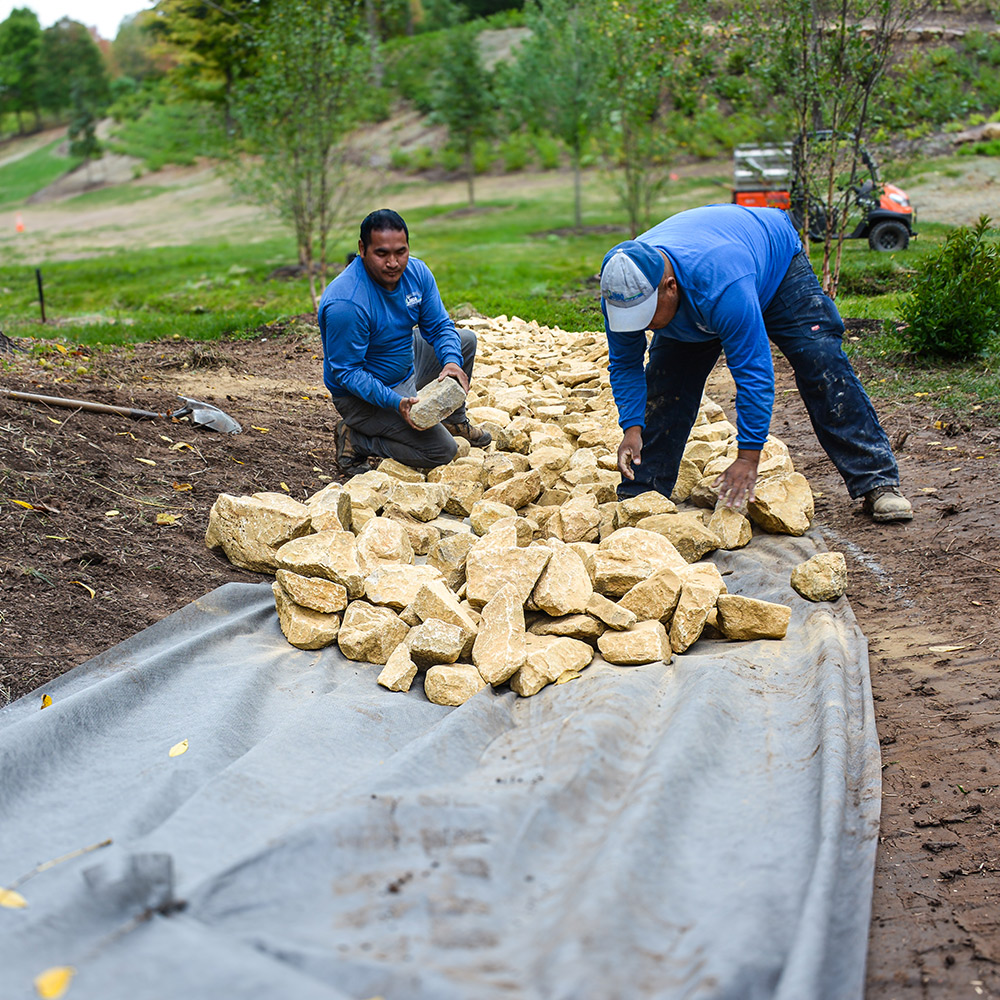
One of the biggest mistakes irrigation companies make is designing systems without a detailed, site-specific water evaluation. This goes beyond a quick pressure check at the main line.
What often gets skipped:
- Pressure testing at multiple zones and elevations
- Soil composition differences across the site
- Natural drainage patterns and low points
- Hardscape runoff paths
Without this information, zones are built on assumptions. Some areas end up saturated while others never receive adequate coverage.
How This Becomes Expensive
Overwatered soil suffocates roots, encourages fungal disease, and destabilizes turf. Underwatered areas decline slowly, leading to repeated plant replacements. Add in runoff onto sidewalks or loading areas, and suddenly the issue isn’t just landscape quality, it’s liability.
This is one of those moments where irrigation companies think the system “works,” but the property owner keeps paying the price.
2. Grouping Everything Into Generic Irrigation Zones
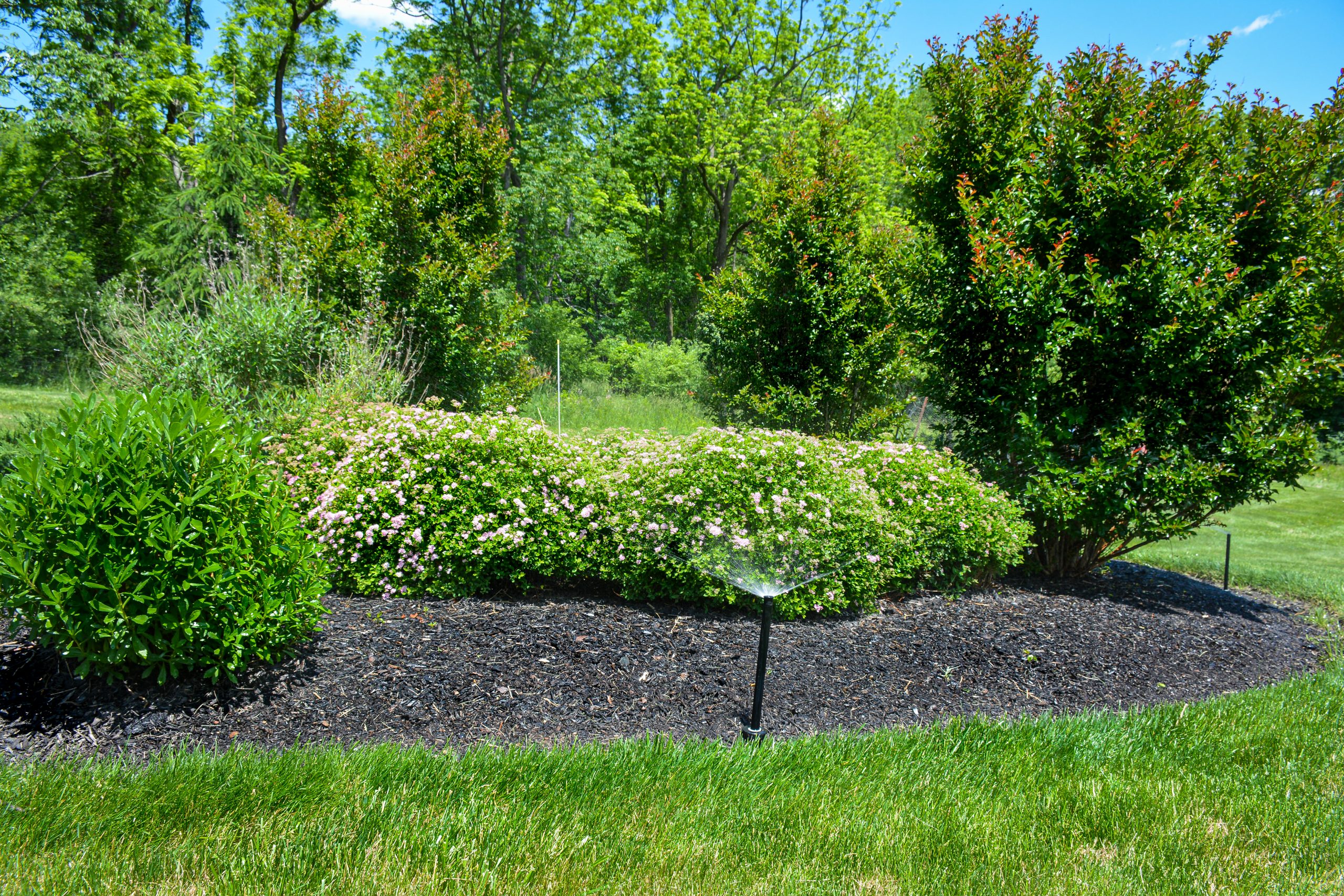
Plants don’t all drink the same way. Yet many irrigation companies still design zones based on convenience rather than plant needs.
Common examples include:
- Turf zones sharing schedules with shrubs
- Newly installed trees tied into mature planting zones
- Annual beds watered the same as perennials
It saves time during installation, but it creates long-term inefficiency.
Why Zoning Errors Cost More Over Time
Turf typically needs frequent, shallow watering. Trees and shrubs need deeper, less frequent cycles. When these needs conflict, one of two things happens: turf declines, or woody plants suffer. Usually it’s the trees…and those replacements aren’t cheap.
This is why irrigation design should work hand-in-hand with ongoing landscape maintenance, not exist in a vacuum. We see the best long-term results when irrigation supports plant maturity, not just initial appearance. That’s also why we coordinate irrigation with our commercial grounds maintenance planning from day one.
3. Failing to Adjust for Seasonal Transitions
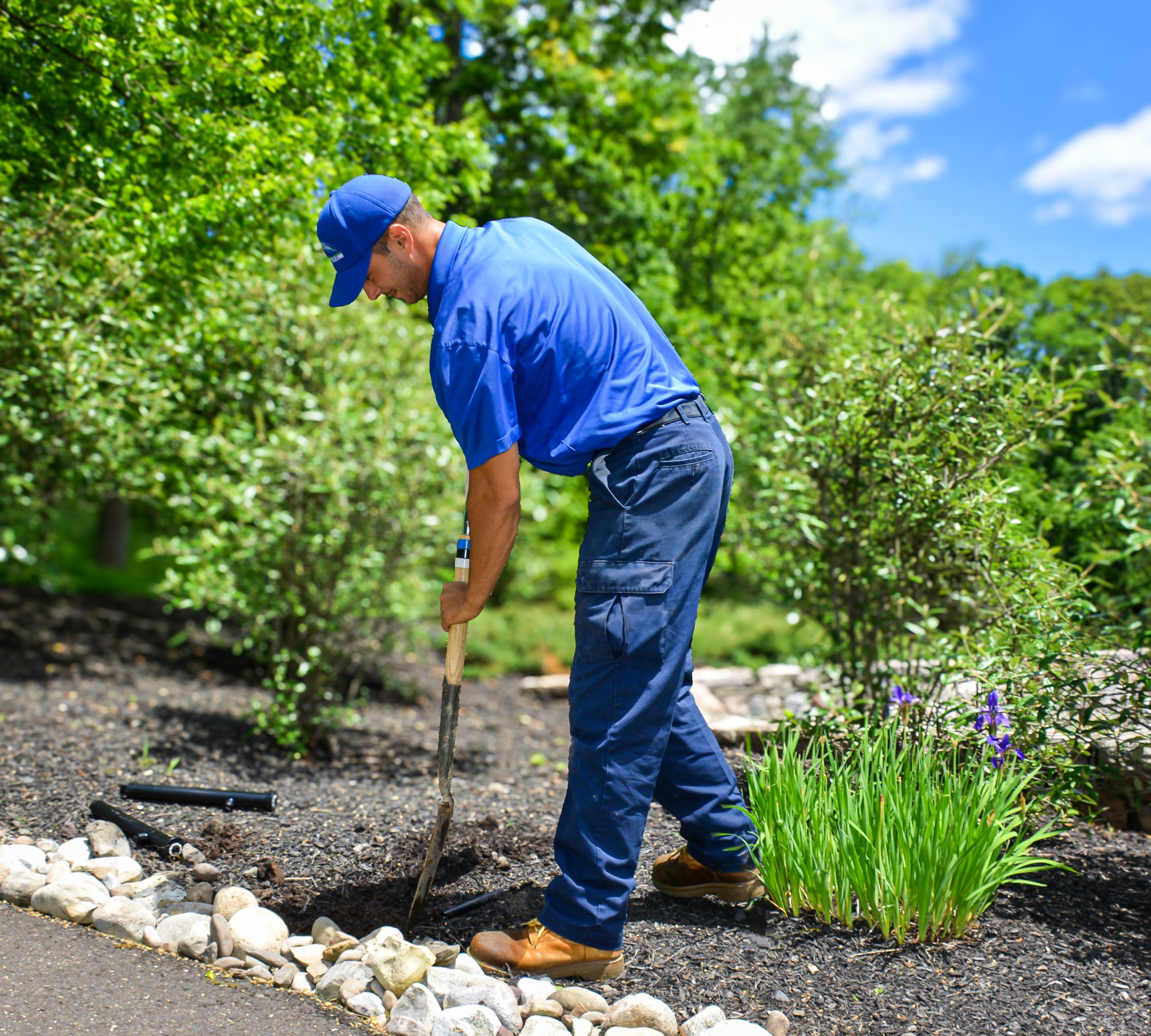 Pennsylvania weather doesn’t move in straight lines. Spring swings, summer heat waves, dry falls, and early freezes all demand irrigation adjustments. Unfortunately, many irrigation companies program systems once and leave them running on autopilot.
The biggest problems show up in fall.
What often gets missed:
- Gradual reductions in run time as temperatures drop
- Soil moisture management before freeze-thaw cycles
- Adjustments after unusually wet or dry seasons
The Long-Term Impact
Overwatering late in the season weakens root systems and increases winter damage. Turf enters winter soft and vulnerable, while saturated soils expand and contract, stressing pipes and fittings. Come spring, property owners face turf loss, system repairs, and higher startup costs.
Seasonal adjustment isn’t optional. It’s a core part of protecting irrigation infrastructure and the landscape it supports.
4. Overlooking Small Leaks and Pressure Changes
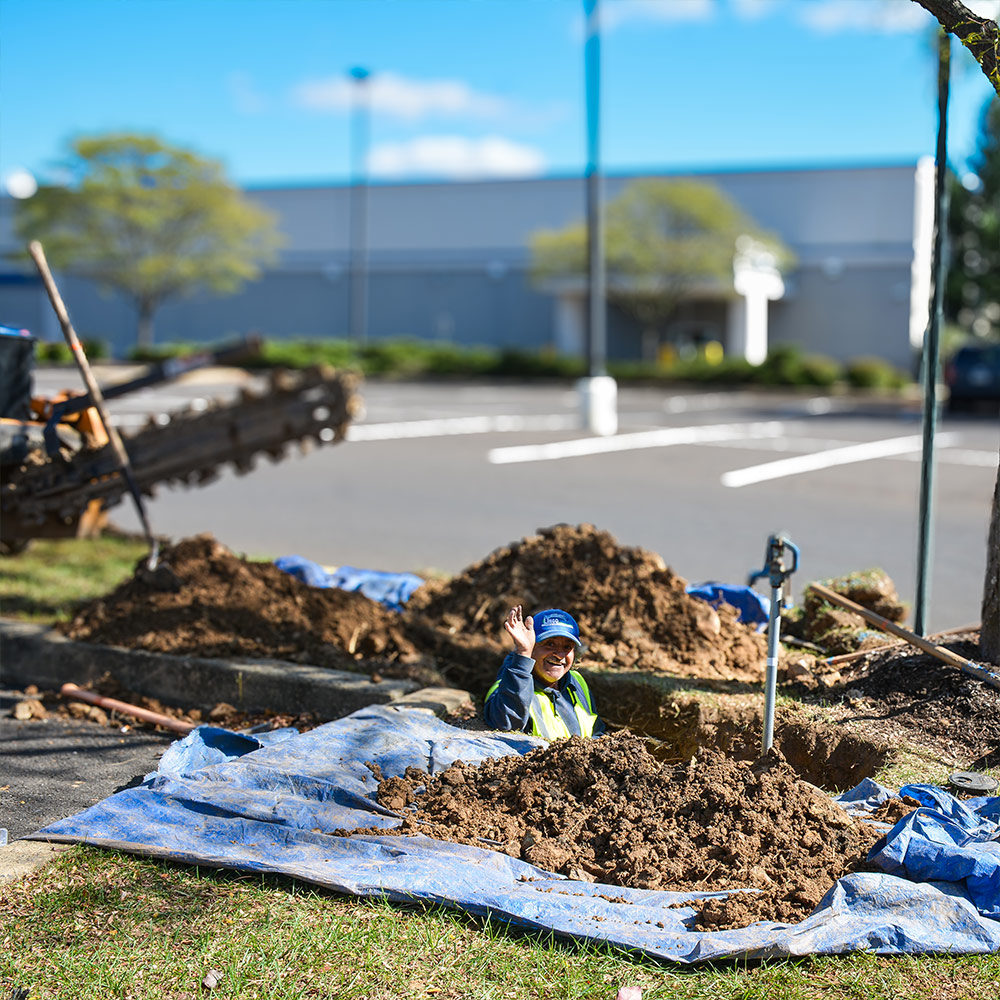 Not all irrigation failures announce themselves with geysers. Many of the most expensive problems start with minor leaks underground.
These typically include:
- Slow valve seepage
- Hairline pipe cracks from freeze-thaw cycles
- Pressure loss in individual zones
Because these leaks are hidden, irrigation companies often miss them unless they’re actively monitoring system performance.
Why Small Leaks Become Big Bills
Underground leaks waste water every time the system runs. They also erode soil, create sunken turf areas, and compromise nearby hardscapes. Water bills creep up slowly, making the issue harder to spot until visible damage appears.
Preventive inspections catch these problems early. Reactive repairs cost more, almost every time.
5. Treating Smart Controllers as “Set It and Forget It”
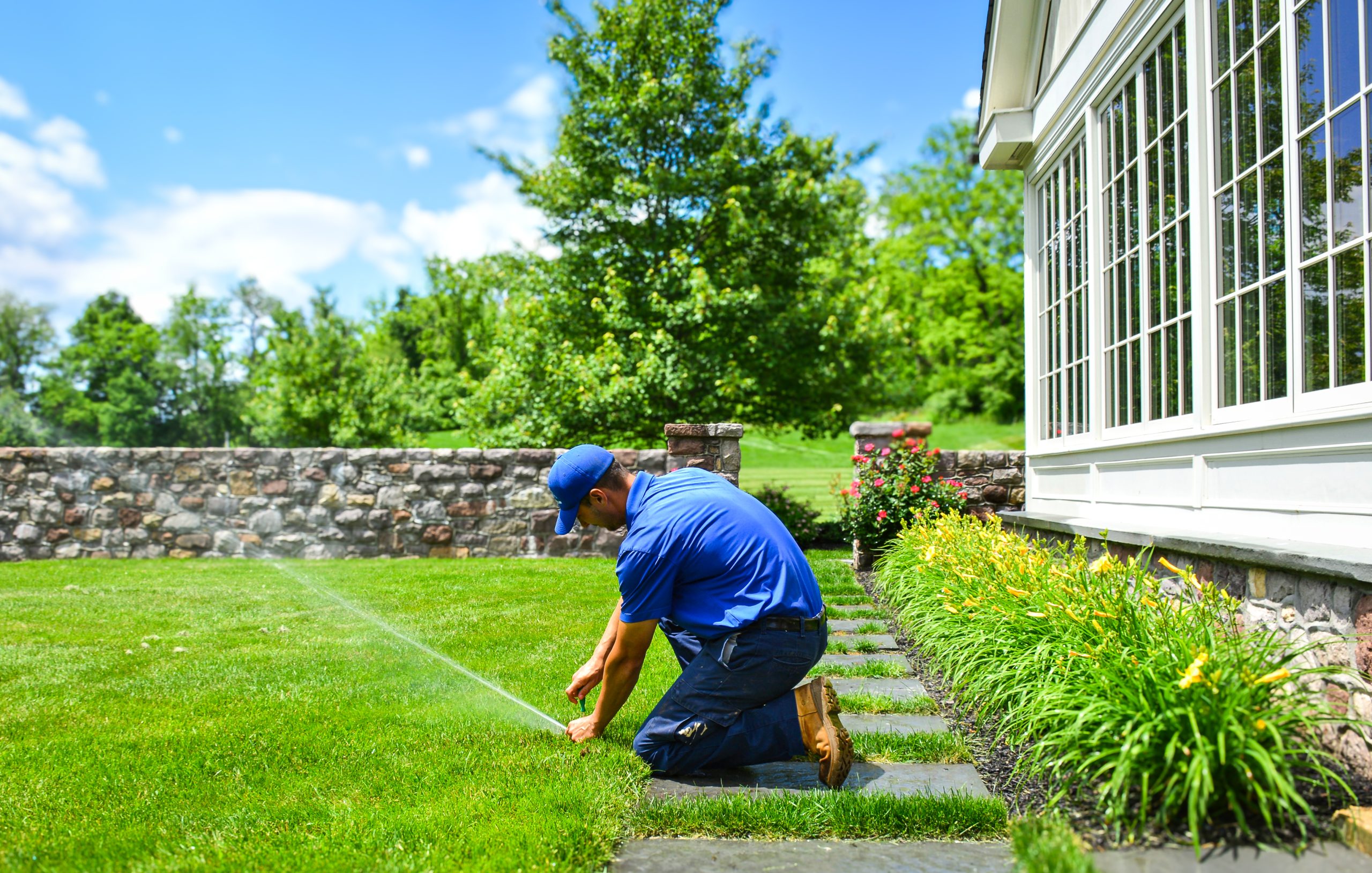 Smart irrigation controllers are powerful tools, but only when they’re configured and monitored properly. Many irrigation companies install the hardware, connect Wi-Fi, and move on.
What gets overlooked:
- Calibration for microclimates on the property
- Sensor placement blocked by buildings or trees
- Default programs overriding plant-specific needs
Technology doesn’t replace judgment. Without ongoing oversight, “smart” systems can overwater just as easily as outdated ones.
The Hidden Cost of Poor Setup
- Continued water waste despite modern equipment
- False confidence that the system is optimized
- Ongoing plant stress masked by automation
Smart irrigation should reduce management time, not create blind spots.
Common Misses vs. Real-World Costs
| Overlooked Issue by Irrigation Companies | What It Can Cost You |
|---|---|
| No site-specific water evaluation | Plant loss, runoff risk, wasted water |
| Poor zone design | Repeated tree and shrub replacement |
| No seasonal adjustments | Winterkill, spring recovery costs |
| Undetected leaks | High water bills, soil erosion |
| Untuned smart controllers | Ongoing inefficiency |
How We Think About Irrigation Systems
We treat irrigation as a living system that evolves with the property. That means designing for soil conditions, plant maturity, drainage realities, and seasonal change, not just coverage maps. It also means integrating irrigation with the broader landscape so water supports everything else happening on-site.
Our irrigation system design and maintenance services focus on efficiency, durability, and real-world performance across commercial properties in Bucks County and the greater Philadelphia region.
Trusted U.S. Resources on Irrigation Efficiency
For property managers who want deeper, research-backed insight, these U.S.-based resources are worth reviewing:
- The U.S. Environmental Protection Agency’s WaterSense program offers guidance on efficient irrigation systems and controller management.
- Penn State Extension provides region-specific research on soil moisture, turf health, and irrigation timing for Pennsylvania landscapes.
The Lingo Takeaway
Most irrigation problems don’t start as emergencies. They start as small oversights, missed evaluations, generic zoning, unchanged schedules, that quietly stack up. By the time the damage is obvious, the cost is already locked in.
Choosing irrigation companies that pay attention to the unglamorous details can protect your landscape, your budget, and your property’s reputation. And if something feels off, rising water bills, recurring plant decline, soggy turf, it probably is.
We’ve learned that doing irrigation right means staying engaged long after installation…even if that means stopping mid-thought, adjusting a plan, and admitting that every property behaves a little differently, because it always does.