
5 Reasons A Lawn Sprinkler System Should NEVER Be DIY
January 30th, 2026
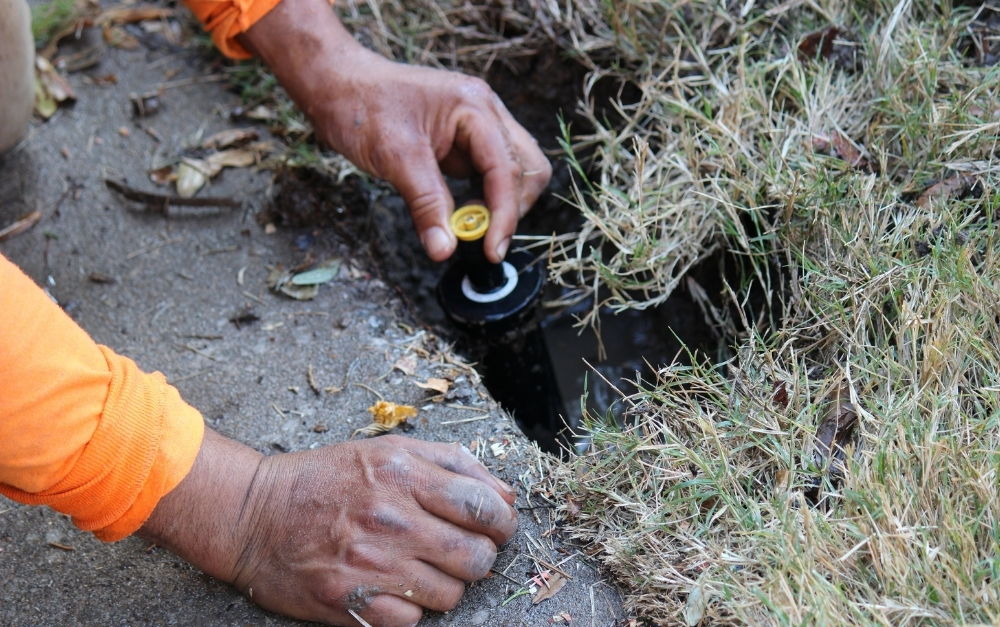
Installing a lawn sprinkler system yourself can quietly waste enormous amounts of water, damage your lawn from below, and expose your property to legal and health risks, without you realizing anything is wrong for months.
We’ve seen this exact situation across Bucks County and southeastern Pennsylvania. Property owners don’t make mistakes because they’re careless. They miss things because irrigation systems demand an immense amount of planning, data, and long-term foresight than most DIY projects can realistically provide.
Below are five major consequences that commonly happen when a lawn sprinkler system is installed without professional design and installation.
Reason #1: One Wrong Design Choice Can Waste Thousands of Gallons Every Month
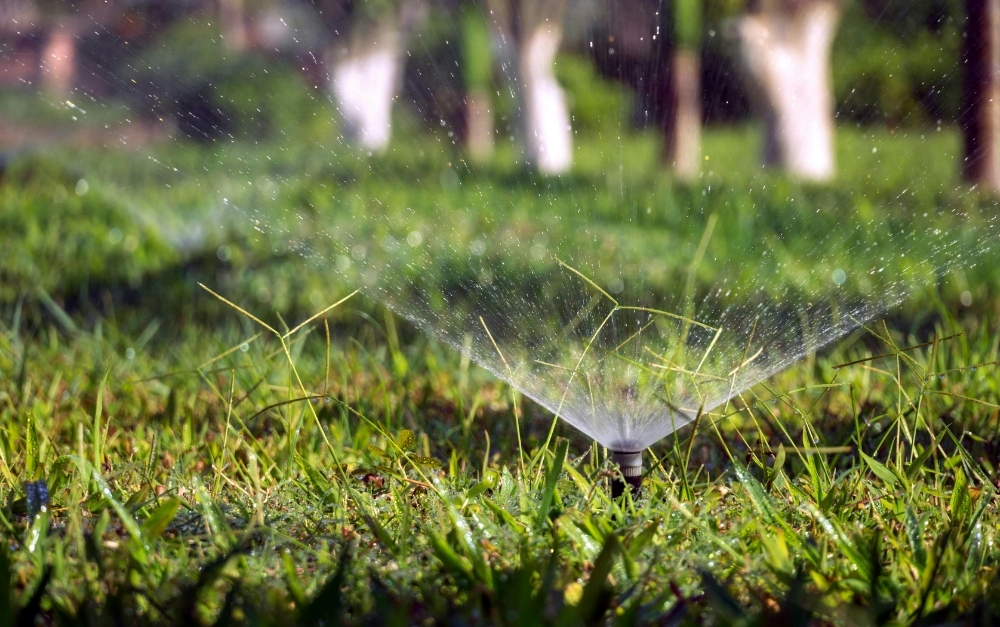
This is often the first problem homeowners discover, and it usually happens by accident when the water bill arrives.
A lawn sprinkler system can appear to work perfectly while wasting enormous amounts of water every month. It happens when water is sprayed too lightly and drifts away on the wind, runs off the surface instead of soaking into the soil, or is delivered unevenly across different zones. The lawn starts to struggle in patches. Frustrated, homeowners increase the timer. Water usage spikes, and results don’t improve.
Case study
The GAO’s Water Waste Study
The U.S. Government Accountability Office found that homeowners using inefficient systems were wasting thousands of gallons monthly, not because they overwatered, but because of poor system design. Water drifted away, pooled incorrectly, or never reached the root zone. Frustrated by struggling lawns, homeowners increased timers, wasting even more water while problems persisted.
Reason #2: Your Lawn Can Be Dying Underground Long Before You See Brown Grass
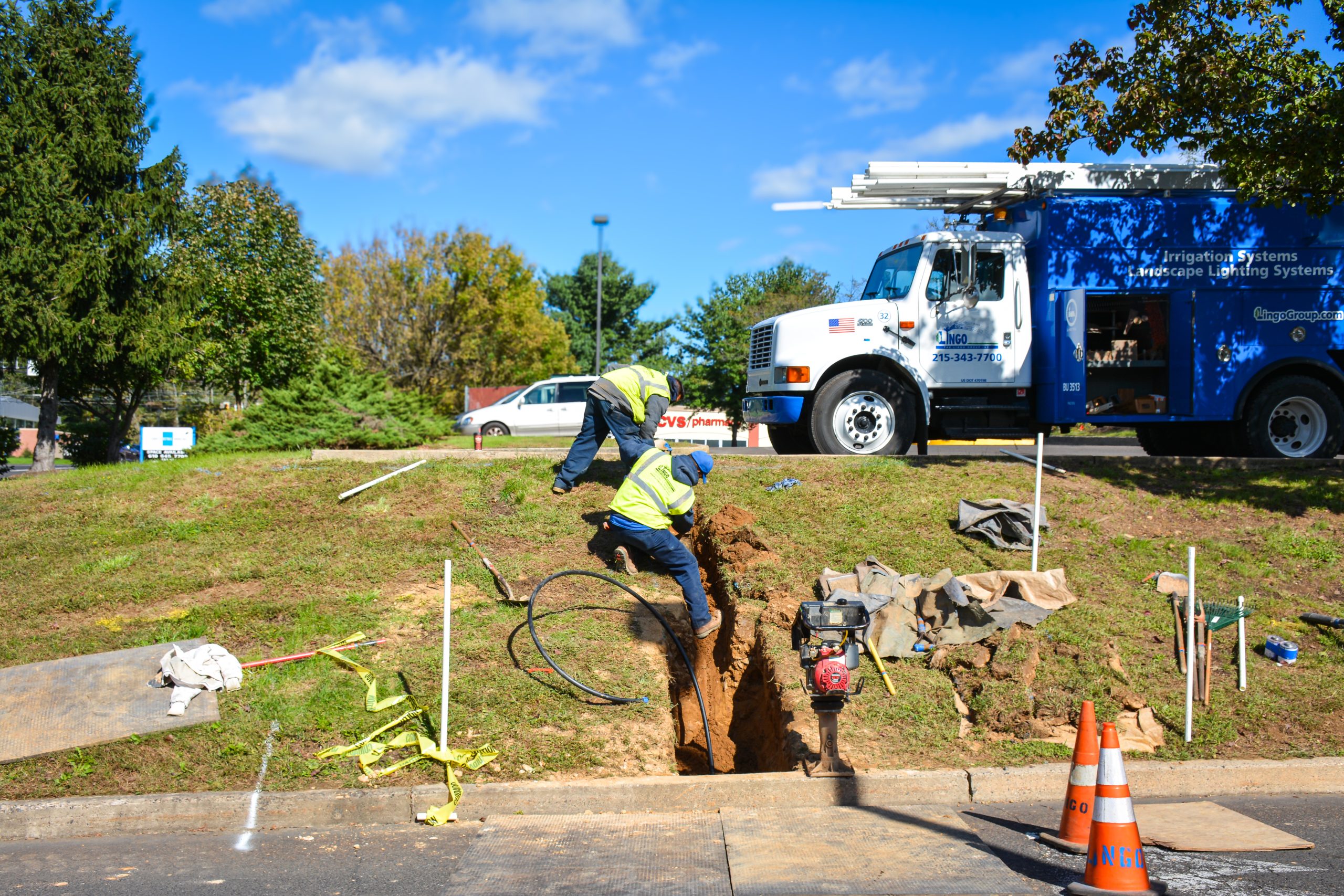
Grass doesn’t usually fail suddenly. It dies overtime with most of the damage happening underground where you can’t see it.
One of the most damaging consequences of installing a yard sprinkler system yourself is uneven moisture below the surface.
In a poorly designed system, some areas stay constantly wet while others never receive adequate water. Roots either rot from oversaturation or stay shallow because they never have to grow deep for moisture.
Either way, the grass becomes vulnerable to heat stress, disease, and wear.
The problem? These underground issues are nearly invisible. By the time you notice brown patches on the surface, the damage below has been developing for weeks or months.
Case study
Colorado State University’s Finding
Colorado State University documented homeowners watering frequently yet still losing turf due to uneven sprinkler spacing. Some areas were oversaturated (roots rotting), others stayed dry (shallow root systems). The lawn declined despite frequent watering. Once root systems are compromised this way, recovery is slow and often incomplete.
Reason #3: You Can Accidentally Create a Plumbing Code Violation on Your Own Property
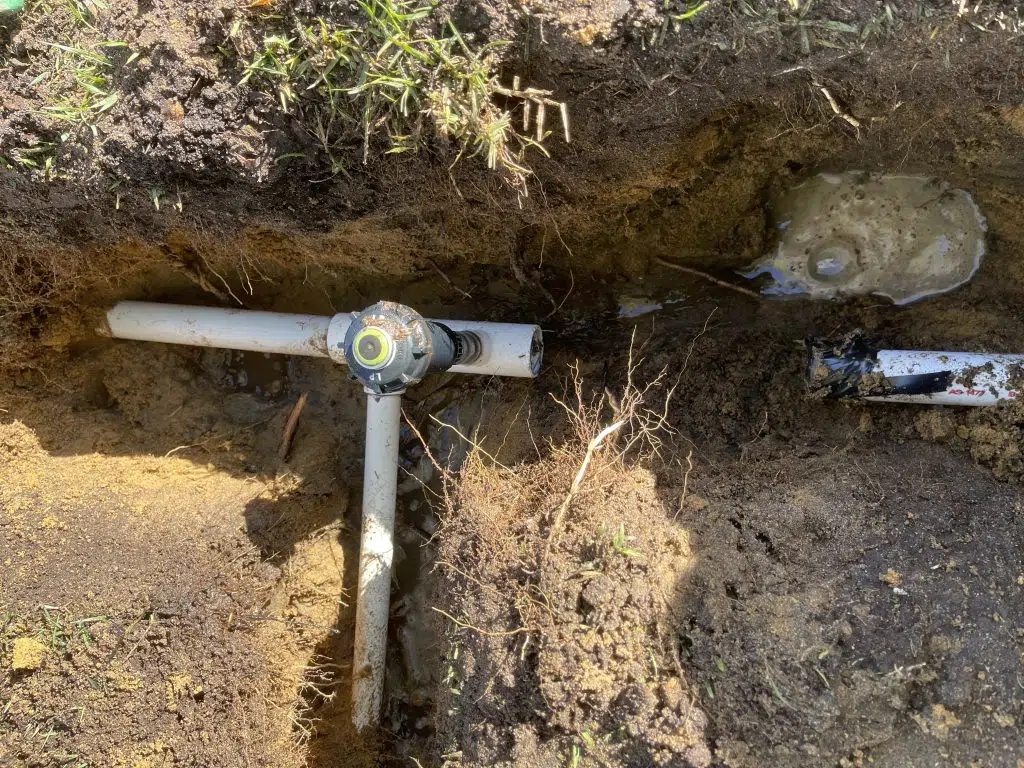
This is one of the most misunderstood aspects of lawn sprinkler systems, and one of the most serious.
Because irrigation systems connect directly to your drinking water supply, they are legally considered part of your home’s plumbing system. That designation comes with strict legal requirements: proper backflow prevention, building permits, and inspections by qualified professionals. These aren’t recommendations or suggestions. They’re mandatory.
Even careful, well-intentioned DIY installers run into trouble by selecting the wrong backflow prevention device, installing it at the wrong height or location, or skipping permits and inspections altogether. Many homeowners don’t even realize these requirements exist.
Case study
Pennsylvania DEP Enforcement
The Pennsylvania Department of Environmental Protection documented enforcement actions against properties with improperly installed backflow devices. Systems were shut down until corrected by licensed professionals, a costly correction for violations homeowners didn’t know they’d made.
Reason #4: Pennsylvania Freeze-Thaw Cycles Can Destroy DIY Systems From the Inside Out
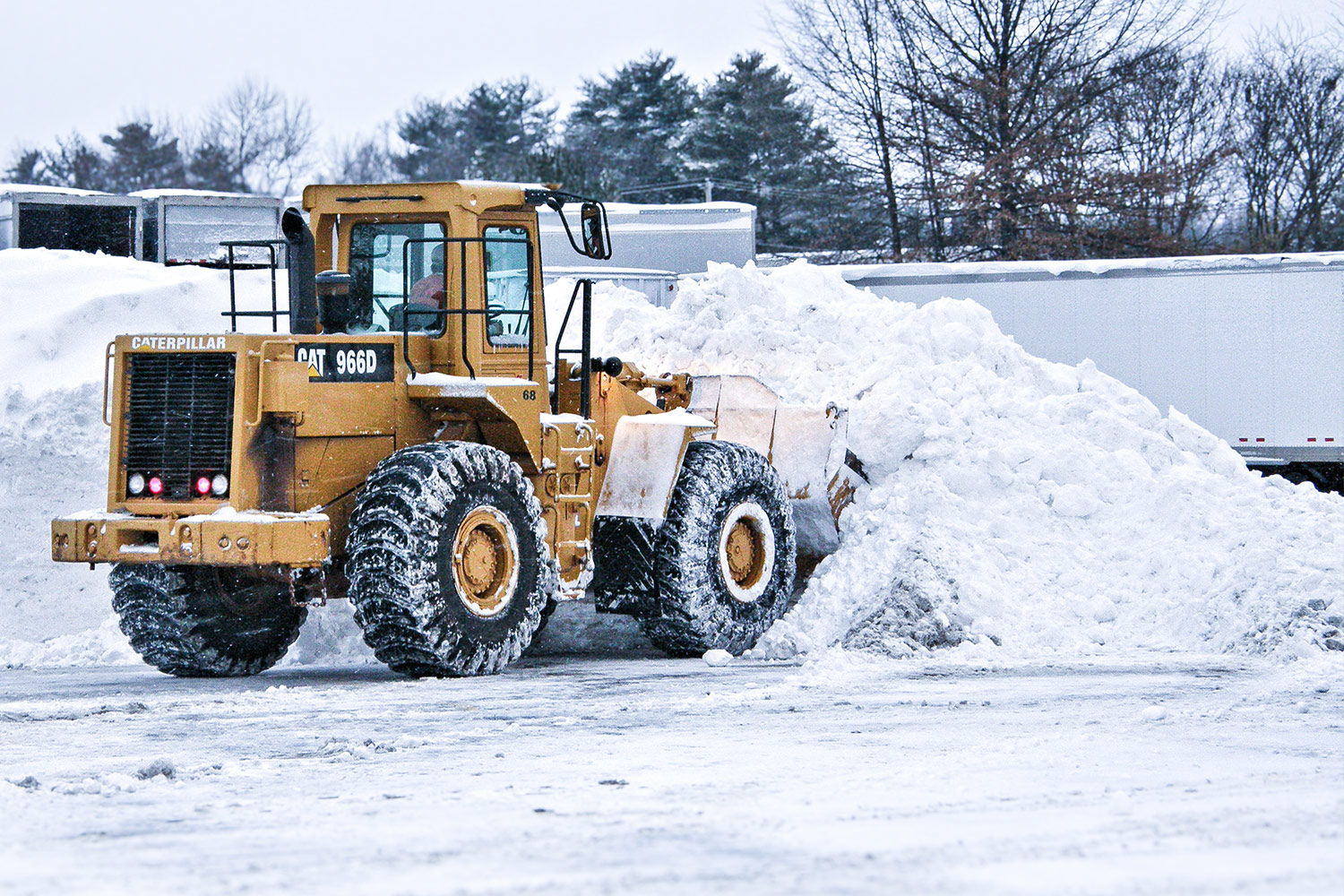
Pennsylvania winters are notoriously hard on outdoor irrigation systems, especially those installed using generic guidelines rather than site-specific planning.
As the ground freezes, it expands. As it thaws, it shifts. Pipes installed too shallow, laid on uneven ground, or resting on rocky soil experience physical stress with every seasonal cycle. Small cracks develop. Micro-leaks form. These often don’t show up until spring or summer when the system fires back up.
Case study
Insurance Claims Data
The Insurance Institute for Business & Home Safety analyzed water damage claims and found many were linked to irrigation systems damaged during freeze-thaw cycles. Pipes buried too shallow experienced heaving and cracking. Homeowners often didn’t discover the damage until summer when pressure loss and stressed turf appeared, by then, repairs were widespread and expensive.
Reason #5: Contaminated Lawn Sprinkler System Water Mixes With Home’s Drinking Water
 This is the most serious consequence, and the one that catches most homeowners completely off guard.
Without properly selected, installed, and tested backflow protection, contaminated water can flow backward into your home’s drinking water supply during pressure changes. This isn’t theoretical. It’s documented. It happens.
The contamination can come from soil, fertilizers stored near the system, standing water in damaged lines, or treatment chemicals in the sprinkler water. During certain pressure conditions, a water main break nearby, high demand periods, or a failed backflow valve, that contaminated water can reverse flow directly into your kitchen tap.
Case study
ABPA Cross-Connection Data
The American Backflow Prevention Association has documented backflow incidents where irrigation systems contaminated drinking water supplies. In one case, a water main break created pressure changes that sucked standing irrigation water, exposed to soil and contaminants, back into a home’s drinking water. The result: family illness and mandatory professional system reconstruction.
DIY vs Professional Lawn Sprinkler System Installation: Capability vs Coverage
| Decision Area | DIY Installation (Even When Done Carefully) | Professional Installation |
|---|---|---|
| System layout planning | Based on manufacturer diagrams and surface measurements | Designed from on-site analysis of soil, slope, and plant needs |
| Water delivery accuracy | Adjusted visually after installation | Engineered for consistent delivery at the root zone |
| Water efficiency over time | Improves slowly through trial-and-error | Built to minimize runoff, drift, and overspray from day one |
| Root system development | Varies based on uneven moisture patterns | Intentionally designed to promote deep root growth |
| Freeze-thaw resilience | Installed to general depth guidelines | Adapted to local soil movement and winter conditions |
| Code compliance confidence | Relies on homeowner interpretation | Verified through permits, inspections, and certification |
| Backflow protection | Correct if selected and installed properly | Selected, installed, and tested to meet local standards |
| Future troubleshooting | Requires uncovering components to diagnose | Supported by documented zones and layouts |
| Long-term predictability | Performance evolves over time | Performance is predictable from the start |
Why Professional Lawn Sprinkler System Installation Is the Smarter Choice
When we install a lawn sprinkler system, we design it around how water behaves on your specific property, including soil conditions, slopes, sun exposure, and Pennsylvania’s freeze-thaw cycles. The goal isn’t just to water grass. It’s to protect your entire landscape investment.
For commercial properties and large estates, professional irrigation means:
✓ Lower long-term water costs
✓ Healthier turf and plantings
✓ Compliance with plumbing and safety codes
✓ Fewer repairs and disruptions
If you’re planning a new system or worried about an existing one, the smartest next step is to work with professionals who design irrigation systems every day. Learn more about our approach by visiting our irrigation system services in Bucks County, PA.
Ready to avoid these problems entirely? Contact us today to schedule a consultation and have your lawn sprinkler system designed and installed the right way from the start. We’ll help you protect your lawn, your water supply, and your budget, before small mistakes turn into expensive repairs.
If your property is in southeastern Pennsylvania, we install and service irrigation. The Lingo Group installs and services irrigation across Bucks County, covering Doylestown, Newtown, Warrington, Chalfont and Buckingham. See our irrigation and water features service or all service areas, and call (215) 343-7700.