
You are here:

SEVEN MILES FROM OUR YARD

Doylestown sits about seven miles northeast of our Chalfont yard, which means our crews and equipment are on site in minutes rather than hours. That proximity matters more than most homeowners realize. It is the difference between a crew that shows up for a half day and leaves the job half finished and a crew that stays until the work is right.

We work throughout Doylestown Borough and Doylestown Township, from the historic streets around the courthouse and the Mercer Museum out to the newer developments along Route 611 and Route 202. Those are two very different kinds of properties and they need two very different approaches.
Working On Historic Borough Properties

The borough’s older homes come with constraints that newer construction does not have. Lots are narrow and deep, mature street trees have root systems you cannot simply trench through, driveways are often shared or set tight against the property line, and access for equipment is genuinely limited. On a lot of borough jobs the largest machine that can physically reach the back yard is a mini skid steer, and everything else moves by hand.

We plan for that up front rather than discovering it on day one. When we walk a borough property we are looking at gate widths, overhead wires, where material can be staged without blocking a neighbor, and whether the work touches anything that falls under the borough’s historic district review. If your project needs that review, you should know before you have paid for a design, not after.

Township Properties And Newer Developments

Doylestown Township properties are generally larger, with more open lawn, more grade to manage and more room to work. The recurring problems we see there are different: water moving toward the foundation because the original builder’s grading was minimal, lawns thinning out under mature shade, and patios and walls installed by the builder that were never built on a real base and have started to move.

Grade and drainage come first on those properties. There is no point installing a patio, a wall or a new lawn on ground that sheds water in the wrong direction, because the water will win. We look at where the roof leaders discharge, where the low point of the property actually is, and how the neighbor’s grade interacts with yours before we design anything.

What Bucks County Soil Does To A Landscape

Much of the Doylestown area sits on silt loam over shale and clay. It holds water, it compacts hard under equipment and foot traffic, and it drains slowly once it is saturated.

Turf

Lawn areas need real aeration and topdressing rather than just fertilizer.

Beds

Planting beds need amended soil and often need to be raised slightly rather than dug into the native clay.

Hardscape

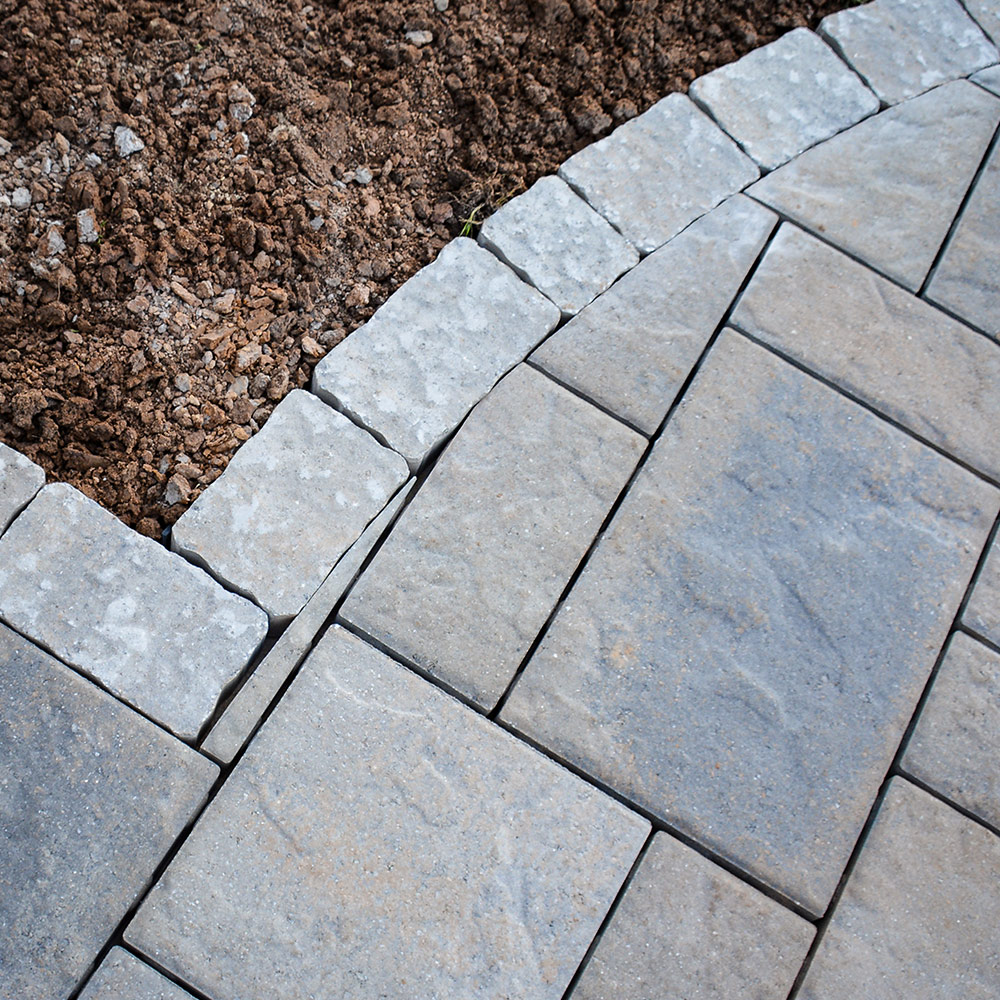
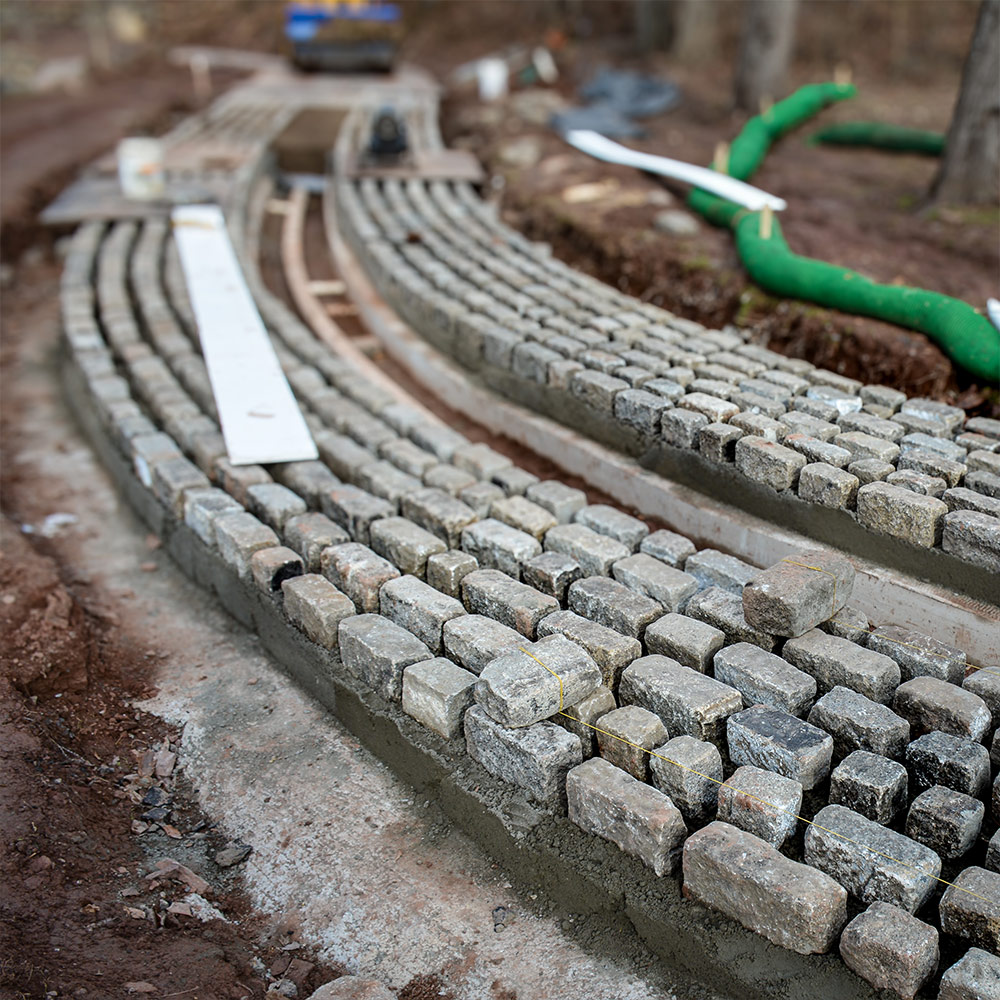
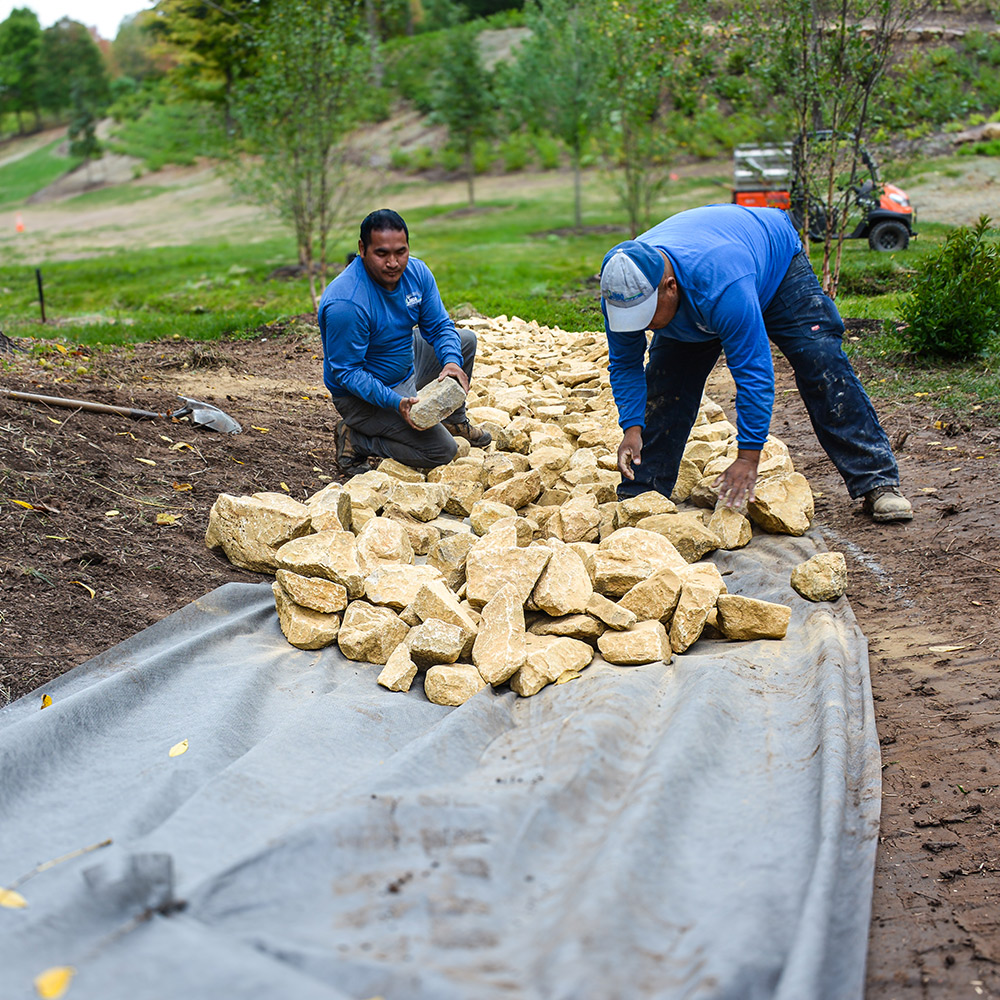
Patios and walls need a properly excavated and compacted base, because a patio built on undisturbed clay with a thin stone layer will heave the first hard winter.

Footings

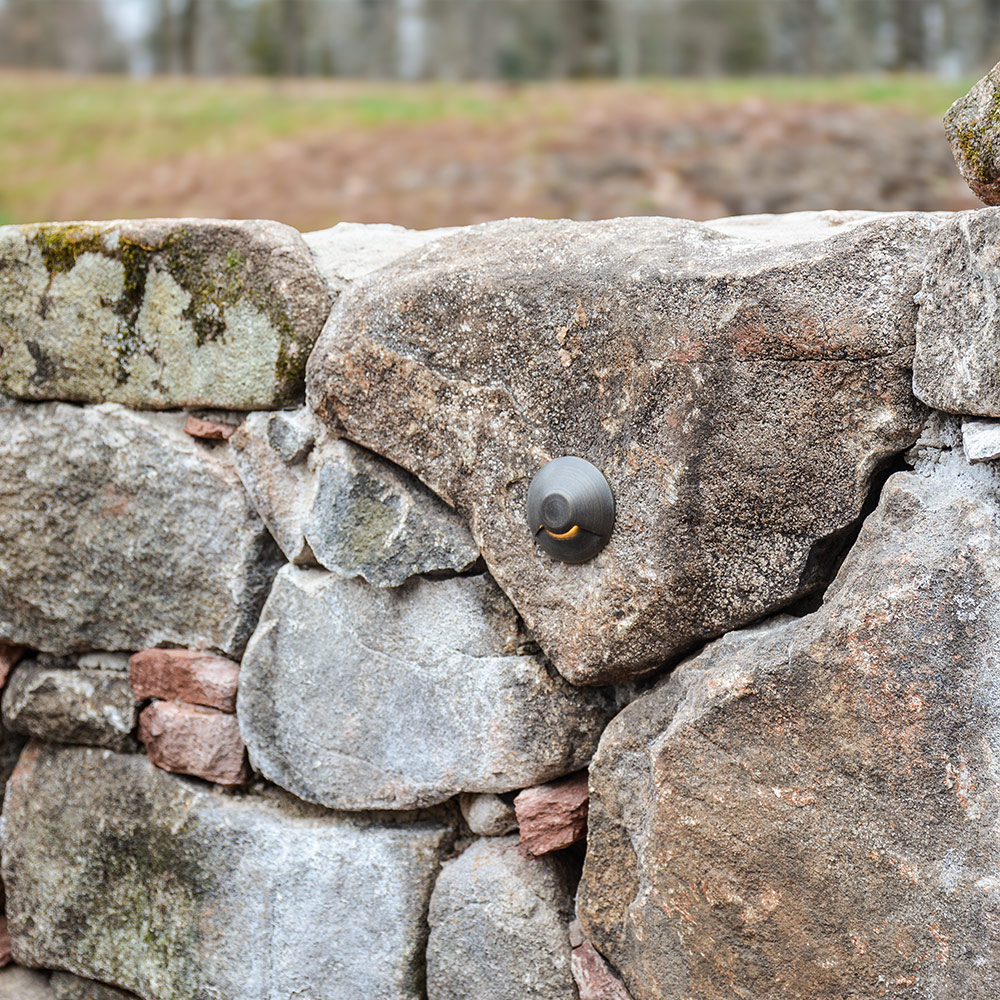
Frost depth in this part of Pennsylvania runs to roughly three feet, which is why footings for walls, columns, pillars and structures have to be set below that line. Skipping it is the single most common reason a wall in Bucks County starts leaning within a few seasons.

Commercial And Institutional Work

Doylestown is the county seat, so it carries a heavy concentration of professional offices, medical practices, retail and institutional property. We handle grounds maintenance, seasonal color, irrigation service and winter snow and ice management for commercial properties, and we write those contracts around the property’s actual risk profile rather than a generic service level.

A medical office with elderly patients arriving at 7:00 AM does not get the same snow trigger depth as a warehouse.

Talk To Us About Your Doylestown Property

We are based at 1170 Timber Lane in Chalfont and we have been working in Bucks County since 1982. Call (215) 343-7700 Monday through Friday, 8:00 AM to 4:00 PM, or use our contact form and we will set up a walk-through of your property.