
Sprinkler Repair | 5 Common Issues That Could Be Causing Leaks, Puddles, and Dead Spots
January 28th, 2026
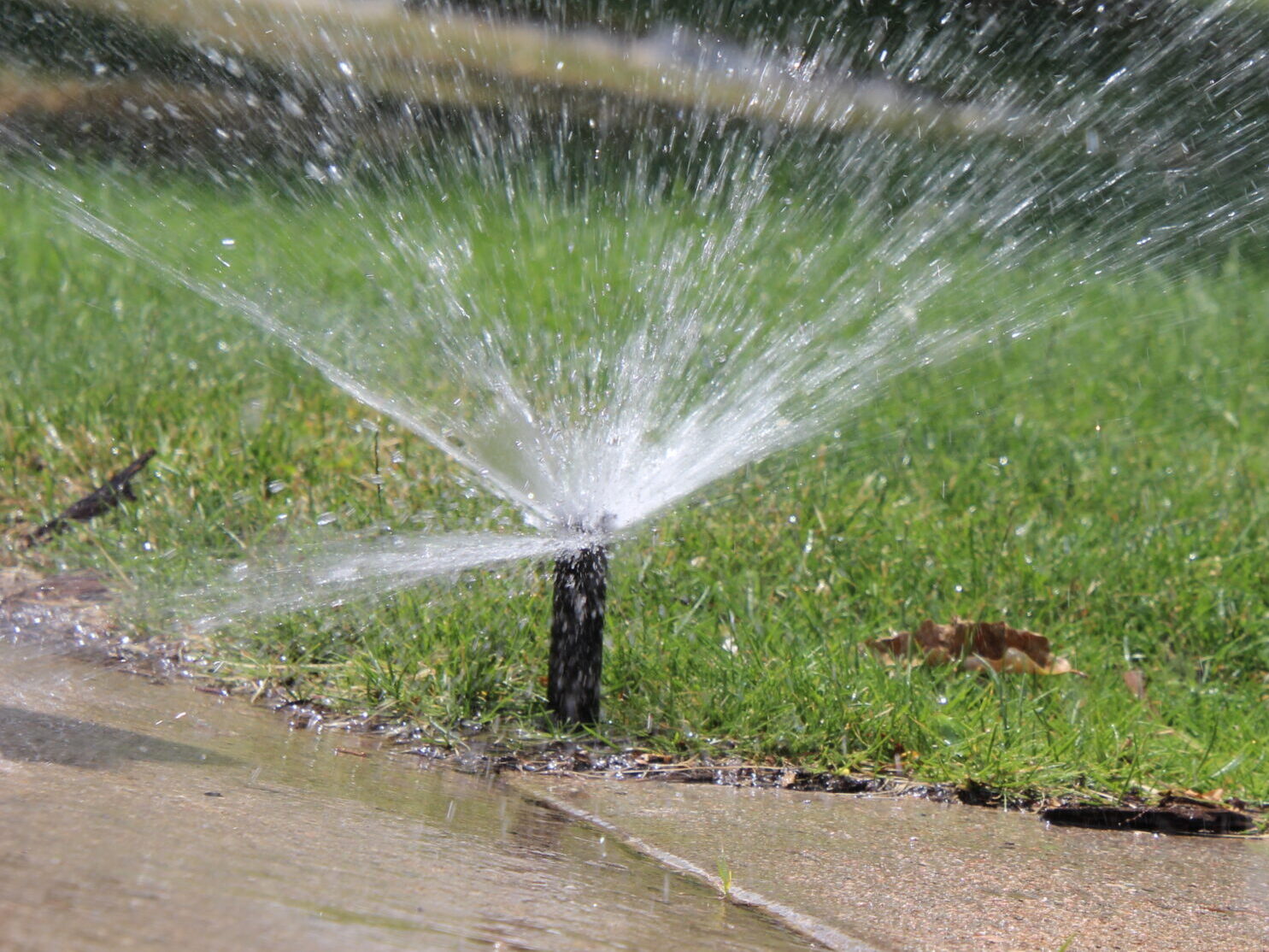
Photo Courtesy Of https://resourcecentral.org/
You’ll know a sprinkler repair is needed often just from these subtle signs…
Unexplained leaks, recurring puddles, or dead spots in your grass are all signs your irrigation system is running but with some kind of issue happening underground.
For commercial properties and large estates in Chalfont and Bucks County, common culprits include soil movement, aging components, and water pressure wear.
Read on to learn how to diagnose these issues early BEFORE your system requires costly repairs.
Why These Sprinkler Repair Problems Are So Common in Bucks County
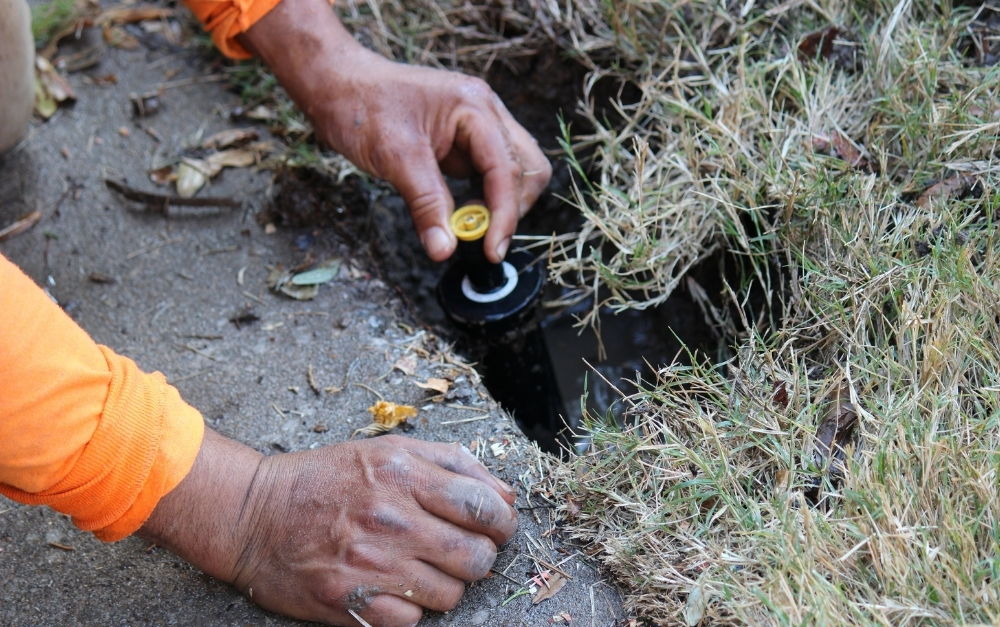
Irrigation systems in southeastern Pennsylvania face conditions that naturally accelerate wear. Clay-heavy soils expand and contract with moisture changes, mature tree roots exert constant underground pressure, and freeze-thaw cycles weaken fittings year after year.
Irrigation systems are especially vulnerable to inefficiencies when water pressure and soil conditions are not properly balanced. These inefficiencies often lead to uneven water distribution, excessive runoff, and hidden leaks, exactly the symptoms most property owners notice first.
Local conditions that increase sprinkler repair risk include:
- Expansive clay soils that stress underground pipes
- Mature trees with aggressive root systems
- Seasonal freeze-thaw cycles that loosen fittings
The 5 Most Common Sprinkler Repair Malfunctions
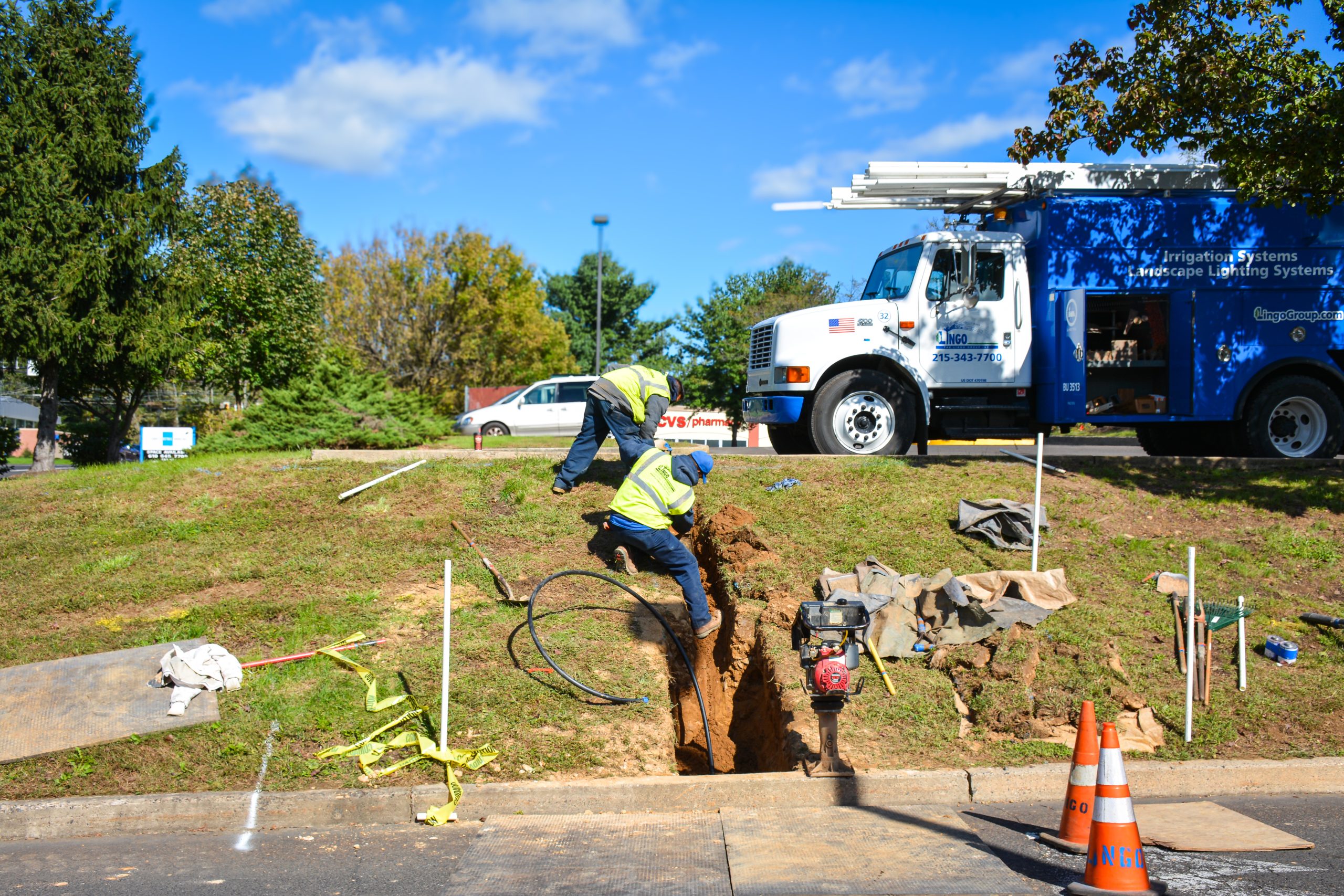
| # | Symptom | Likely Cause | When to Call a Pro |
|---|---|---|---|
| 1 | Water continues to seep, trickle, or flow from sprinkler heads or low spots 5–30 minutes after the system shuts off; turf near valves stays dark and wet | A zone valve that is failing internally and not sealing fully, often due to worn diaphragms or debris trapped inside | If water never fully stops, runoff occurs between cycles, or more than one zone shows post-run wetness |
| 2 | Recurring puddles or soggy soil that appear after every irrigation cycle, often downslope or far from sprinkler heads | Underground pipe leak where water is escaping and traveling through soil before surfacing | If the same wet areas return after drying, expand over time, or appear in new nearby locations |
| 3 | Dry strips or weak coverage between heads in the same zone, even though heads are popping up and nozzles are clean | Pressure loss caused by a hidden leak, cracked fitting, or partial blockage upstream | If multiple heads in one zone consistently underperform or turf stress worsens despite longer run times |
| 4 | Sprinklers produce a fine mist or fog, water blows away easily, or overspray coats pavement and buildings | Excessive water pressure that is breaking spray into mist before it reaches the ground | If misting persists after basic head adjustments or nozzles wear out quickly |
| 5 | Leaks, pressure changes, or misaligned heads keep returning in the same area, even after previous repairs | Tree roots or ongoing soil movement stressing pipes, fittings, or valves | If repairs don’t last more than a season or the same issue repeats year after year |
These malfunctions often overlap. A pressure issue can accelerate valve failure, while soil movement can quietly turn a minor fitting issue into a major underground leak.
What These Sprinkler Repair Issues Typically Cost
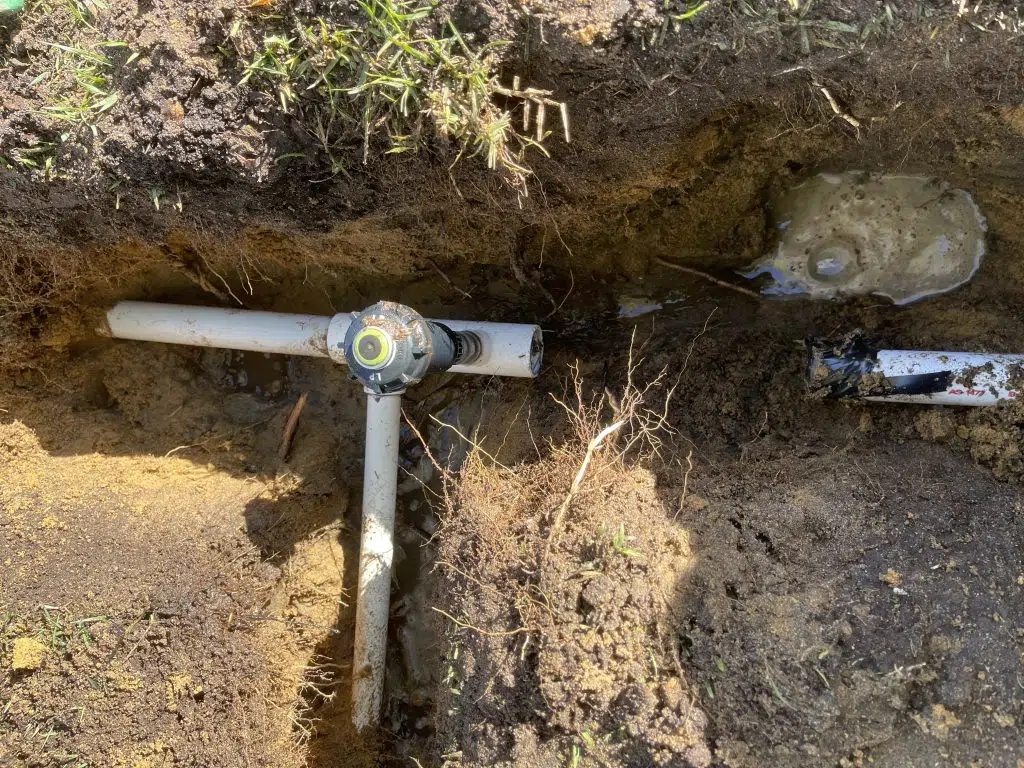
Image Courtesy Of Retic Renovation
One of the biggest mistakes property owners make is delaying sprinkler repair because the problem doesn’t feel urgent. In reality, early intervention almost always costs less than waiting for damage to spread.
Below are typical cost ranges for common sprinkler repair issues on commercial properties. Actual pricing varies based on access, system size, and severity, but these ranges reflect what we commonly see in Bucks County.
| Sprinkler Repair Issue | Typical Scope of Work | General Cost Range |
| Valve repair or replacement | Valve inspection, diaphragm replacement, resealing | Lower |
| Minor underground pipe repair | Localized excavation and fitting replacement | Moderate |
| Major pipe failure | Extended excavation, pipe rerouting, restoration | High |
| Pressure regulation correction | Regulator replacement or system balancing | Moderate |
| Root-related repairs | Pipe repair plus root mitigation | High |
Irrigation system leaks and pressure issues are among the largest contributors to unnecessary outdoor water loss, especially on larger properties where problems may go unnoticed for long periods.
Why Delaying Sprinkler Repair Gets Expensive Fast
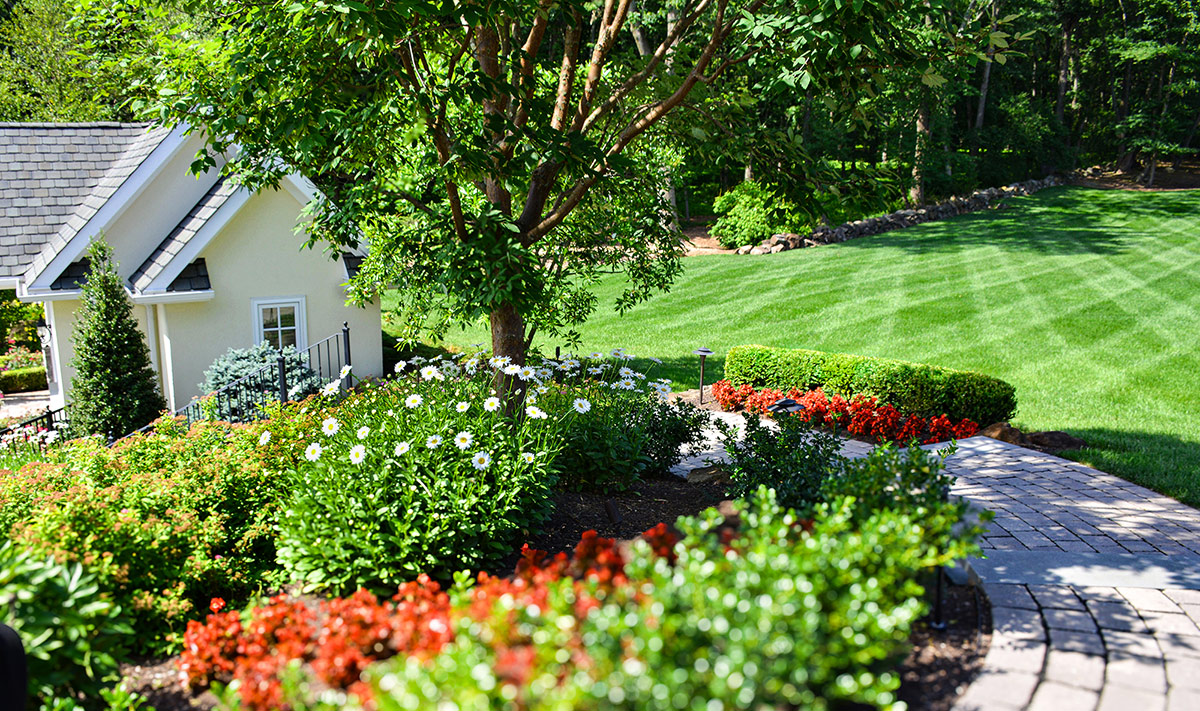
Sprinkler repair issues almost never stabilize on their own. Leaks erode soil, pressure problems damage components, and uneven watering weakens turf root systems. Over time, small issues compound into system-wide failures.
What happens when sprinkler repair is delayed:
ⓧ Increased water bills from hidden leaks
ⓧ Turf loss requiring reseeding or replacement
ⓧ Soil erosion near hardscapes and walkways
On commercial properties, these issues also increase liability risks and negatively affect curb appeal and tenant perception.
Field Note
The wettest spot you see is rarely where the sprinkler problem actually is—water can travel underground through clay soil and surface several feet away from the real leak. If puddles or dead spots keep returning or seem to “move,” it’s usually a sign of a hidden system issue, not a surface-level adjustment problem.
When to Schedule Professional Sprinkler Repair
If leaks, puddles, or dead spots keep returning, professional sprinkler repair is usually the smartest next step. Diagnosing valve failure, underground leaks, pressure imbalance, and root interference requires specialized tools and experience.
That’s why many property managers rely on our irrigation system services in Bucks County to identify root causes instead of applying short-term fixes that don’t last.
If you’re seeing recurring irrigation issues or unexplained water loss, we recommend scheduling an evaluation before damage spreads further. You can get started by reaching out through our Contact Us page to discuss what’s happening on your property.