What Is a Smart Irrigation Controller and How Does It Work?
January 26th, 2026

A smart irrigation controller is the brain behind a modern irrigation system. Instead of watering on a fixed timer no matter what’s happening outside, it uses real data, weather conditions, temperature, rainfall, and sometimes soil moisture, to decide when and how much to water. That’s the core idea. Water only when the landscape actually needs it.
For commercial properties and large estates in Bucks County, smart controllers are common. Water costs are real, plant material is expensive, and Pennsylvania weather can change fast, and this technology will save you some serious money.
A smart irrigation controller also helps keep turf and plantings healthy while avoiding waste, and it gives property managers far more control than traditional systems ever could.
Short version? It waters smarter, not harder. Here’s how they work:
What Is a Smart Irrigation Controller?
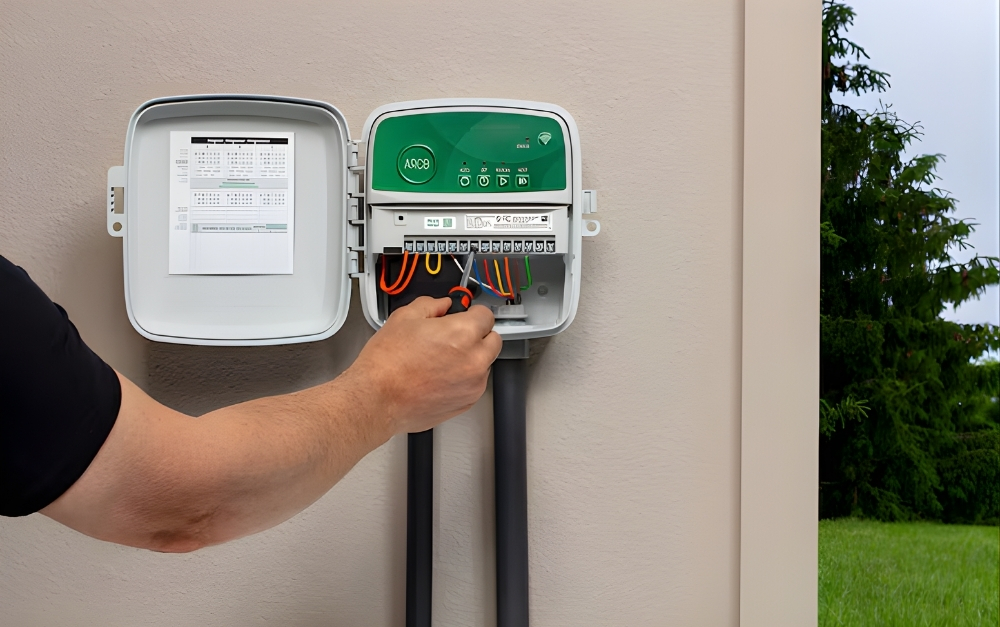 A smart irrigation controller replaces a traditional irrigation timer, making it an integral component of a modern irrigation system. Old-style controllers follow rigid schedules, every Monday, Wednesday, and Friday at 5 a.m., even if it poured rain the night before.
A smart irrigation controller adjusts watering automatically based on real-world conditions, including:
- Local weather forecasts
- Recent rainfall
- Temperature and humidity
- Soil moisture (when sensors are installed)
- Plant type, sun exposure, and seasonal needs
Most systems are Wi-Fi enabled and managed through a phone or desktop dashboard. That means watering schedules can be monitored, adjusted, or shut off remotely, which is a major advantage for commercial properties with multiple zones or large footprints.
How Does a Smart Irrigation Controller Work?
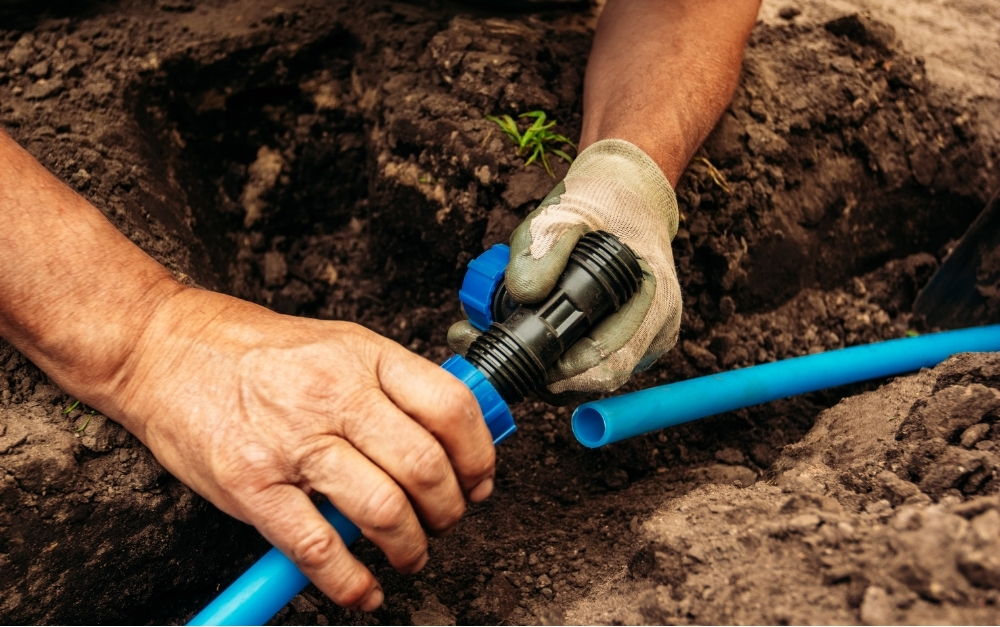
It sounds high-tech, and it is, but the logic behind it is straightforward.
Weather-Based Adjustments
Smart irrigation controllers pull data from nearby weather stations and forecasting services.
- If rain is expected, watering is delayed.
- Or when temperatures spike, runtimes adjust to protect turf and plant material.
- And if conditions are already wet, the system may skip irrigation entirely.
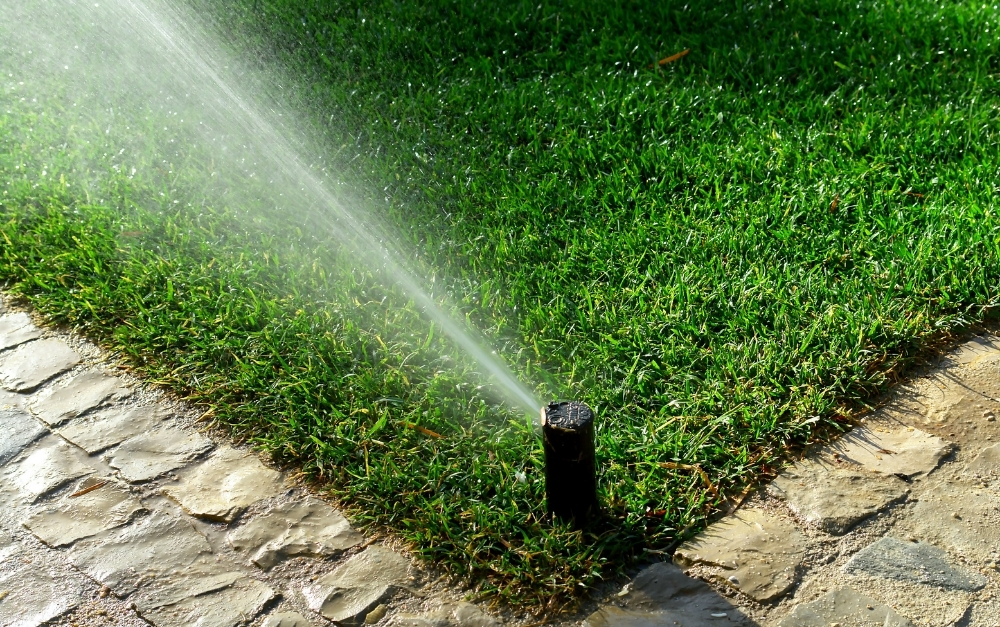
This prevents the common (and costly) problem of sprinklers running during or right after rainfall.
Zone-by-Zone Control
Every irrigation zone is programmed independently. That matters because turf, shrubs, trees, and flower beds all have different water requirements.
A smart irrigation controller accounts for:
- Soil type (clay-heavy soils common in Bucks County hold water longer)
- Sun vs. shade exposure
- Slopes and drainage conditions
- Plant maturity and root depth
This level of control is especially important on commercial sites and large estates, where one-size-fits-all watering simply doesn’t work.
Sensors and Real-Time Feedback
Many systems integrate rain sensors, freeze sensors, or soil moisture sensors. These tools provide real-time data so the controller can override watering when conditions change.
Rather than following a fixed schedule, the controller adjusts watering automatically as conditions change, delivering water only when the landscape actually needs it.
Why Smart Irrigation Controllers Matter in Pennsylvania
Pennsylvania landscapes go through a lot in a single year. Wet springs, hot summers, unpredictable fall transitions, and freeze-thaw cycles all impact turf and plant health.
A smart irrigation controller helps manage those swings by:
- Reducing overwatering during rainy spring months
- Preventing drought stress during summer heat waves
- Supporting deeper root growth in fall
- Limiting unnecessary system run time before winter shutdown
For commercial properties, this goes beyond appearance. These systems protect a long-term landscape investment and avoiding preventable repair or replacement costs.
Smart Irrigation Controller vs. Traditional Timer
Here’s a clear comparison:
| Feature | Traditional Controller | Smart Irrigation Controller |
| Fixed schedule | Yes | No |
| Weather-based adjustments | No | Yes |
| Remote access | No | Yes |
| Zone-level optimization | Limited | Advanced |
| Water efficiency | Low | High |
Field Note
A smart irrigation controller can’t correct poor zoning, broken sprinkler heads, or uneven coverage. If the irrigation system itself is poorly designed, even the smartest controller won’t deliver good results. Proper layout, pressure regulation, and routine maintenance still matter.
Benefits for Commercial and Large Estate Properties
Many commercial property owners look for ways to reduce operating costs without sacrificing appearance. A smart irrigation controller helps achieve both.
Key benefits include:
- Lower water usage and utility costs
- Healthier turf and plant material
- Reduced risk of disease caused by overwatering
- Easier compliance with water-use guidelines
- Centralized control for large, multi-zone properties
On large estates, it also simplifies managing expansive grounds where manual adjustments would be time-consuming and inconsistent.
Industry-Standard Smart Irrigation Controllers
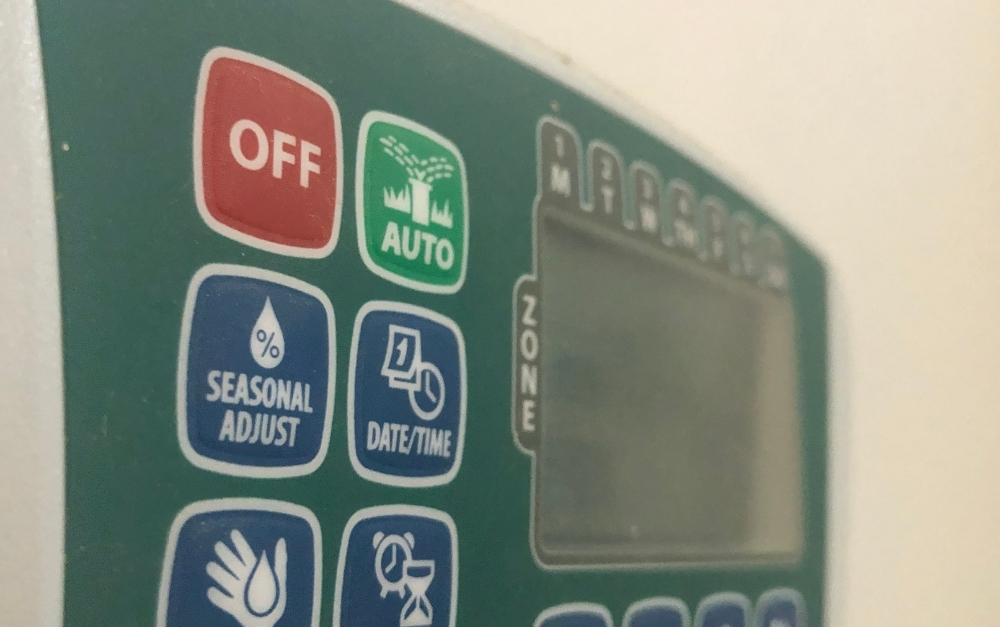
Several smart irrigation controllers are considered industry standards across commercial and high-end residential properties. These platforms are widely used by irrigation professionals nationwide.
Hunter Industries Hydrawise
Hunter Hydrawise is one of the most widely adopted smart irrigation platforms in commercial applications.
Why it’s considered industry standard:
- Advanced weather-based scheduling
- Scales well for large, multi-zone systems
- Cloud-based dashboards for property managers
- Commonly specified for office parks, HOAs, and institutional sites
Rain Bird ESP-SMTe / IQ Platform
Rain Bird has been a cornerstone of the irrigation industry for decades.
Why professionals rely on it:
- Proven durability and reliability
- Strong integration with rain, flow, and soil sensors
- Excellent compatibility with existing systems
- Frequently used in commercial retrofits
Rachio 3 / Rachio Pro
Rachio controllers are common in high-end residential and light commercial settings.
Why they’re widely used:
- Sophisticated weather intelligence
- Easy-to-use app-based controls
- Fast setup with detailed zone customization
- Popular on estate properties and mixed-use sites
Many professional contractors work with multiple controller platforms depending on property size, system complexity, and long-term management needs.
Are Smart Irrigation Controllers Worth It?
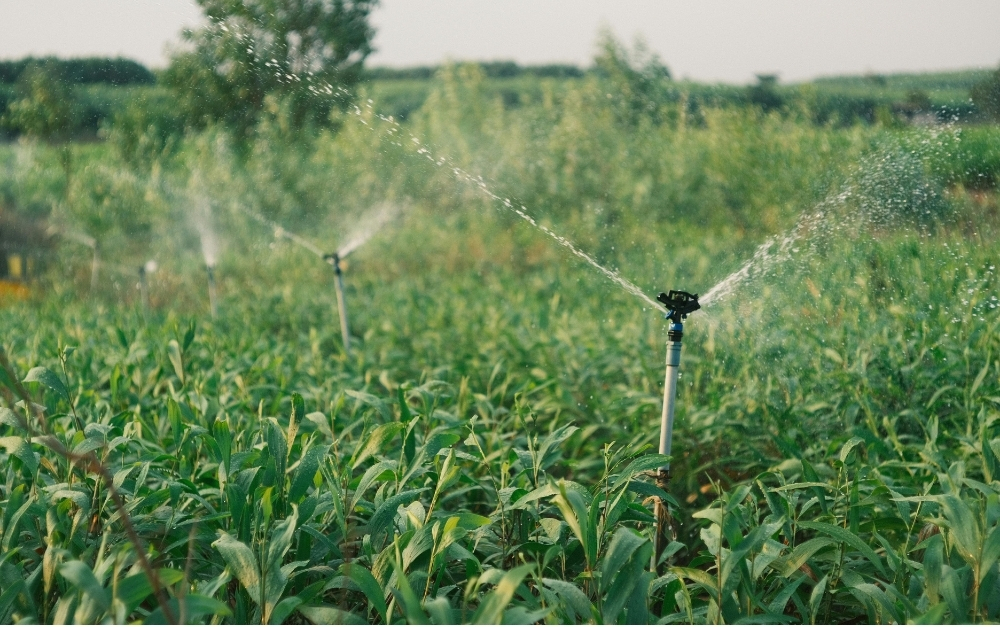 For most commercial properties and large estates, the answer is yes. While the upfront cost is higher than a basic timer, the long-term savings in water use, reduced plant loss, and fewer system issues often outweigh the initial investment.
According to the Irrigation Association, weather-based irrigation controls are one of the most effective tools available for reducing water waste while maintaining plant health.
Many smart irrigation controllers also rely on localized forecasting data from sources such as the National Weather Service to automatically adjust watering schedules based on real-time conditions.
Smart Irrigation and Professional Installation
A smart irrigation controller performs best when it’s part of a professionally designed system. When paired with proper zoning, drainage planning, and seasonal service, it becomes a powerful management tool, not just another piece of hardware.
That’s why many property owners integrate smart controllers as part of a professional irrigation system design and installation, ensuring the entire system works efficiently as a whole.
On commercial sites, irrigation performance also ties closely into broader commercial landscape maintenance and management, where turf health, plant longevity, and visual consistency all matter.
Want an exact quote? Send us a message using the contact form on this page or by visiting our contact page to set up a site walk or get a free estimate online.