

Commercial Snow Removal Pricing Explained
December 14th, 2025
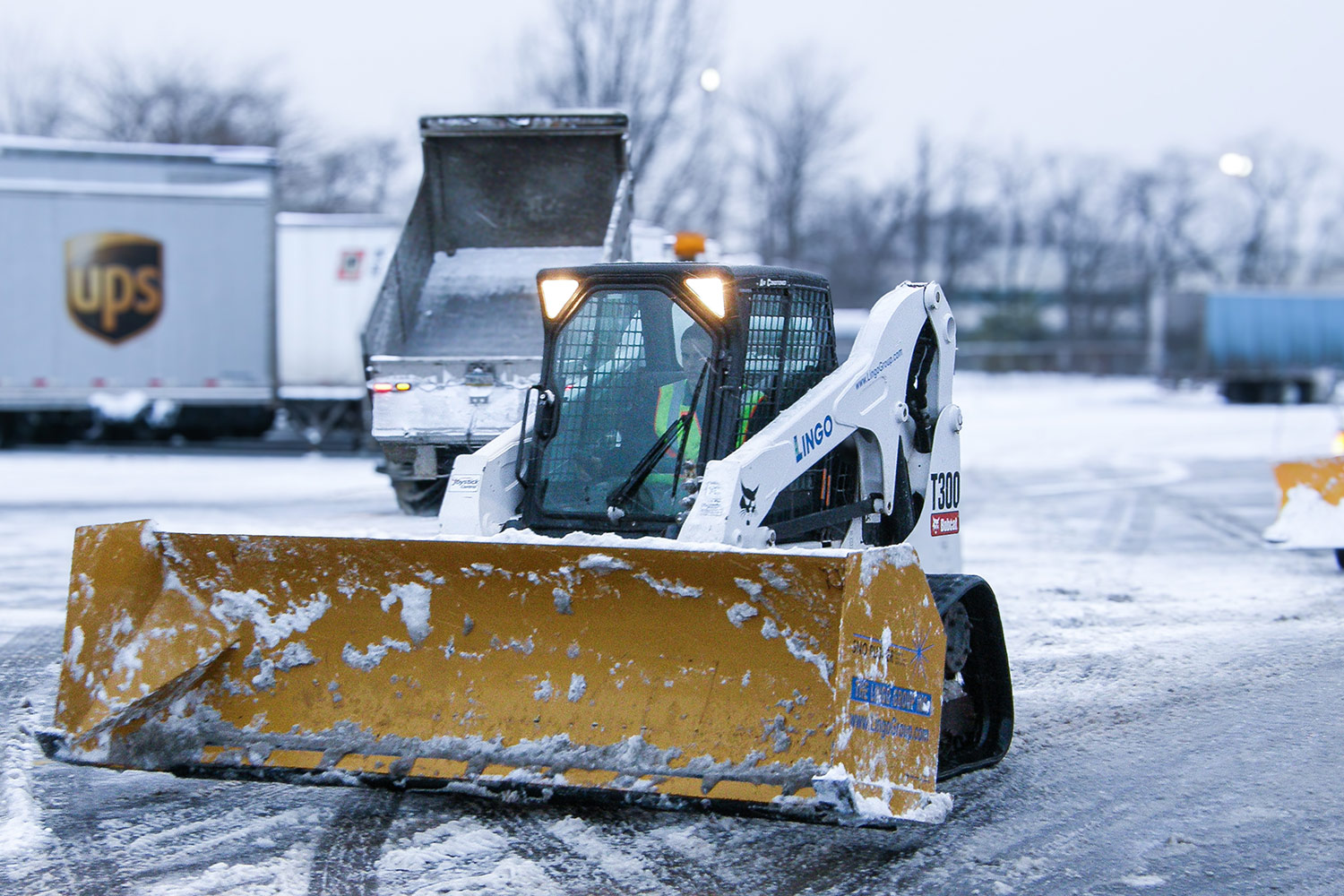
The investment you make in commercial snow removal is not a simple expense. It’s really a fixed cost for risk mitigation, insurance compliance, and guaranteed business continuity.
Understanding the 3 primary pricing models and how site-specific factors drive costs is the first step to securing a financially sound contract.
We operate from hands-on experience across Bucks County and the greater Philadelphia area. We know that the goal isn’t the lowest bid, but the most reliable contract that aligns with your property’s risk profile and your need for predictable financial planning.
The Three Core Commercial Snow Removal Pricing Models
Reputable contractors offer pricing structured around managing weather-related financial risk. Your choice dictates your budget predictability and service priority during peak storms.
1. Per-Push or Per-Event Pricing
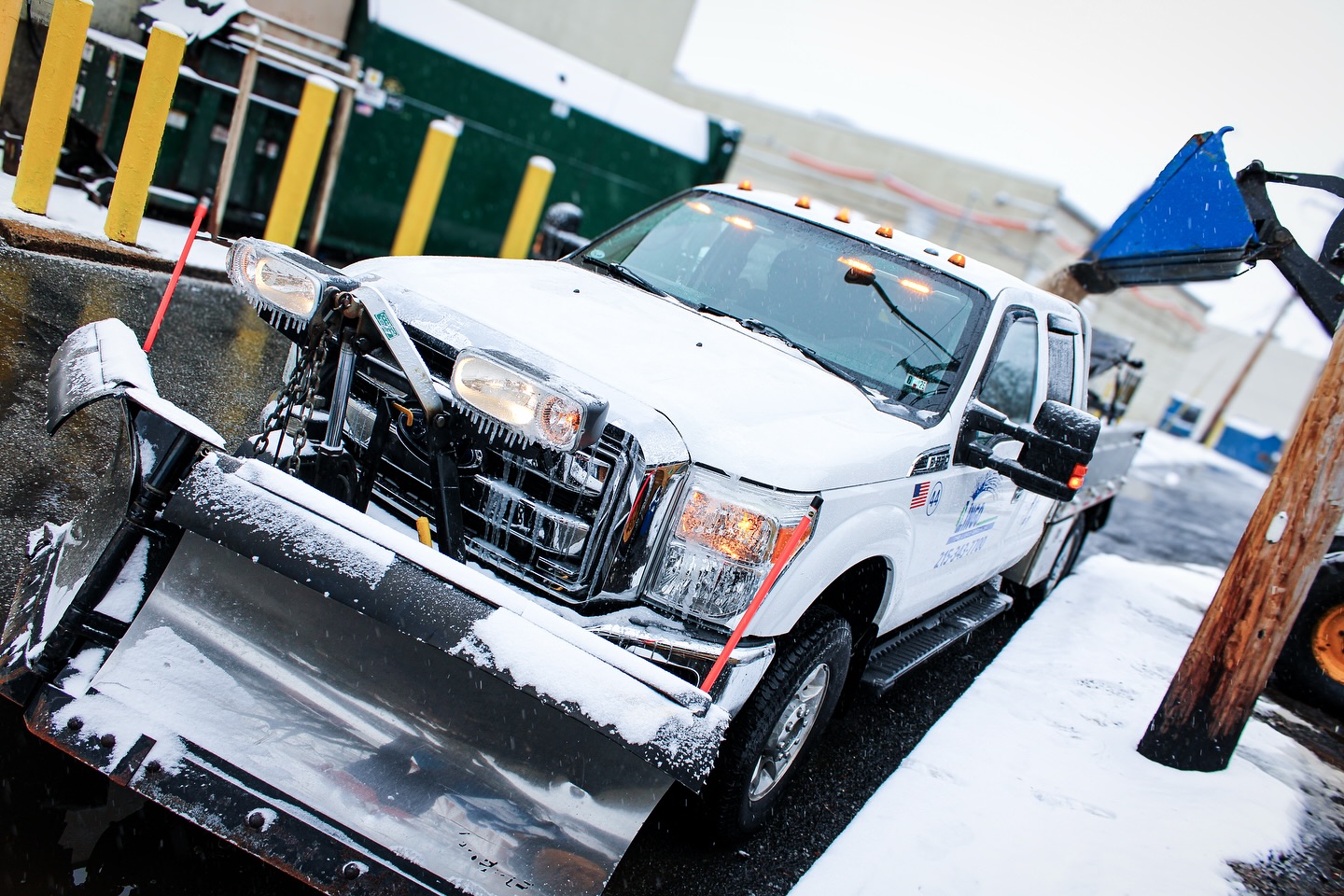
This model provides direct payment for service performed. You only pay when snow accumulates and crews are dispatched.
- Structure: A fixed rate is charged each time we service the property. Rates are typically tiered based on accumulation (e.g., 1–3 inches, 4–6 inches). De-icing, hand-shoveling of walkways, and hauling are almost always billed as separate, additional costs.
- Best For: Businesses with minimal fixed costs and high tolerance for unpredictable expenses. Suitable only for low-priority properties that can manage occasional closures during a heavy winter.
- Operational Risk: This model guarantees financial risk exposure during heavy winters. When multiple large events occur, clients with full-service seasonal contracts receive higher service priority due to guaranteed commitment.
2. Seasonal Contract (Fixed Rate)
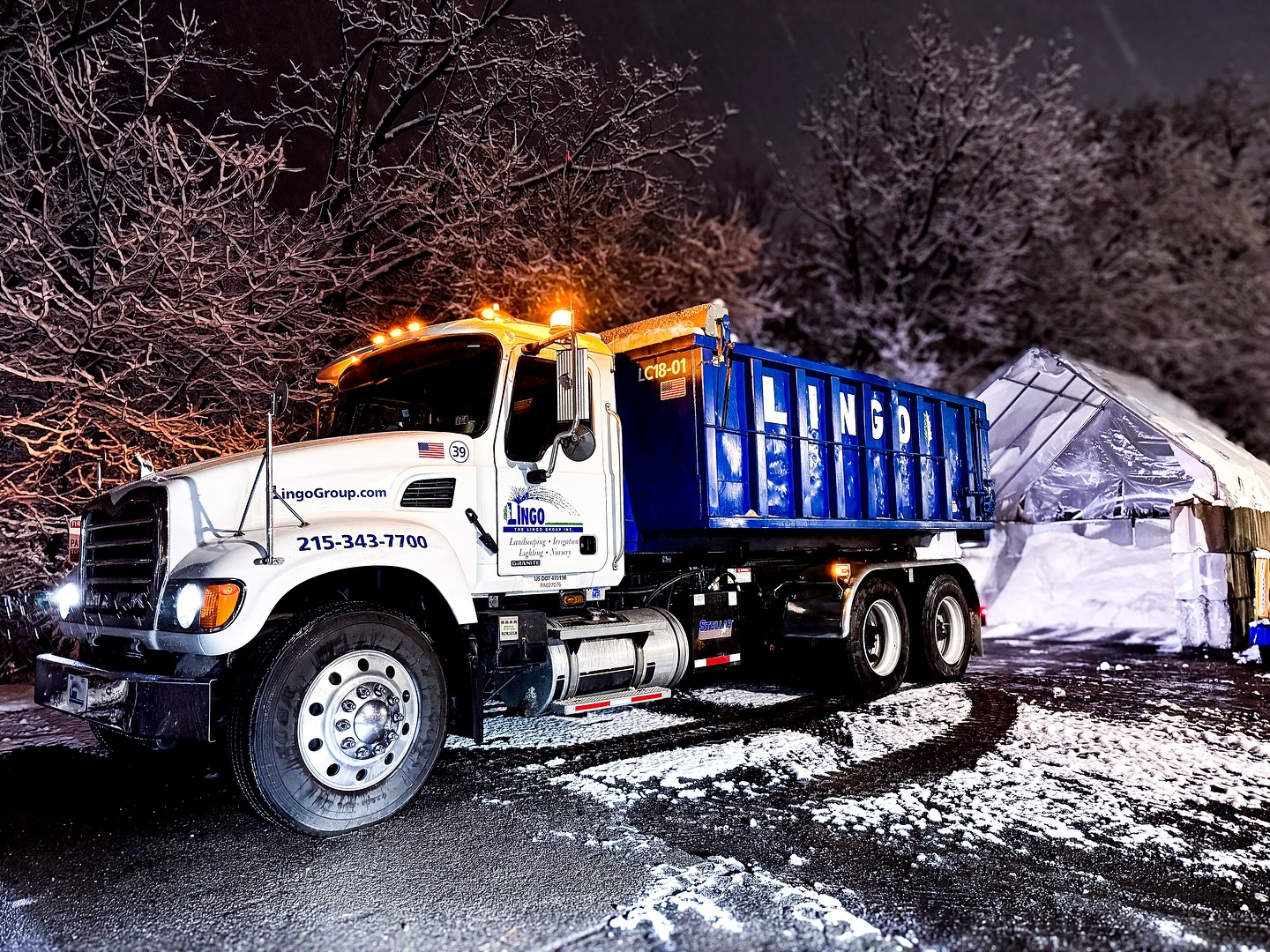
This structure ensures maximum budgetary control by fixing the total cost for the entire season, regardless of actual snowfall.
- Structure: A single, flat fee is paid for the defined winter season (typically November through April). This transfers the financial risk of heavy snowfall from the client to the contractor.
- Best For: Any corporate campus, medical facility, industrial park, or retail center where budget consistency and operational uptime are non-negotiable priorities.
- Operational Benefit: The price is calculated based on historical snowfall averages for the region. While mild winters might feel costly, this model insulates the business from catastrophic, unbudgeted expenses during severe winter events.
3. Time and Materials (What We Recommend)
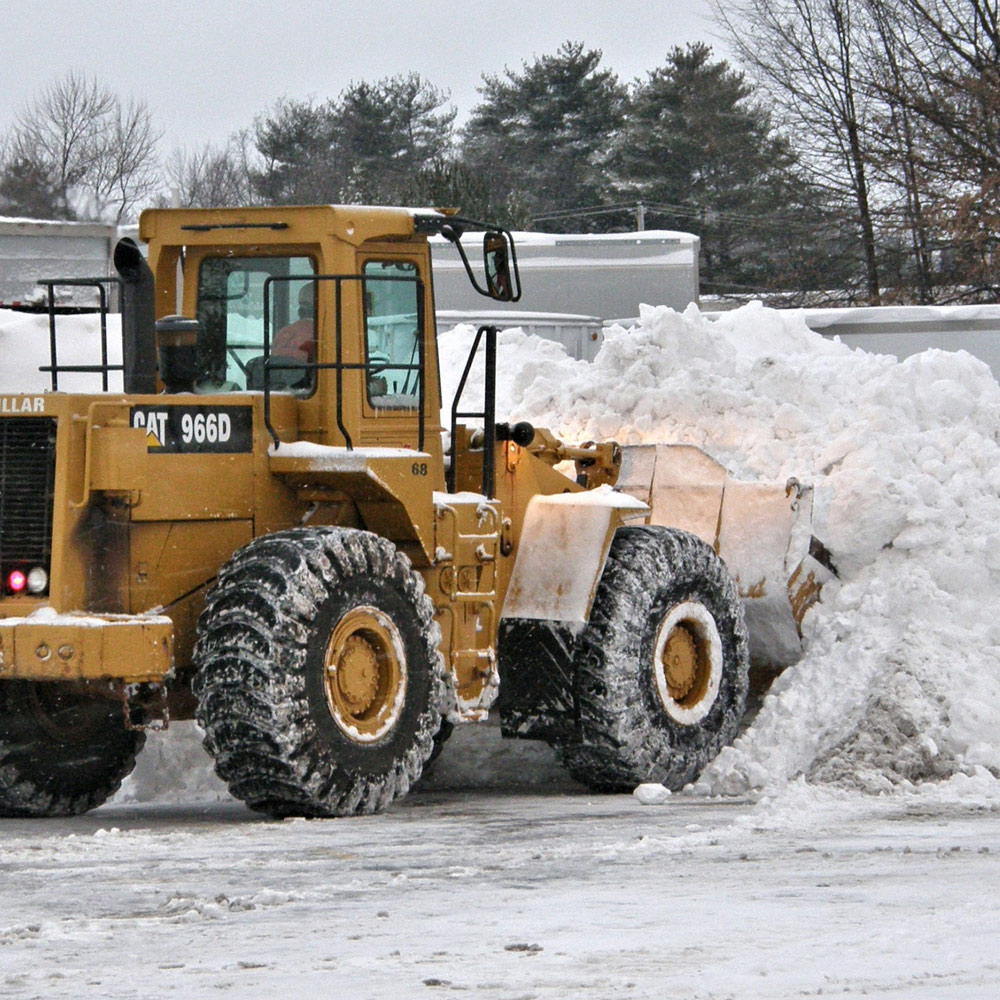
This option is designed for situations where flexibility and rapid response matter most, especially for specialty services, emergency conditions, or work that falls outside a standard scope.
- Structure: Billing is based on actual labor hours, equipment time, and the direct cost of materials such as salt or brine, ensuring you only pay for what is truly required.
- Best For: One-time or unpredictable needs, including emergency post-storm cleanup, specialty services, or large-scale snow loading and hauling when on-site storage is limited.
- Why Choose It: T&M is ideal when conditions are uncertain and a fixed scope isn’t practical. It allows crews to respond quickly, adapt in real time, and complete the work thoroughly without cutting corners to fit a preset price.
Key Variables Driving Commercial Snow Pricing
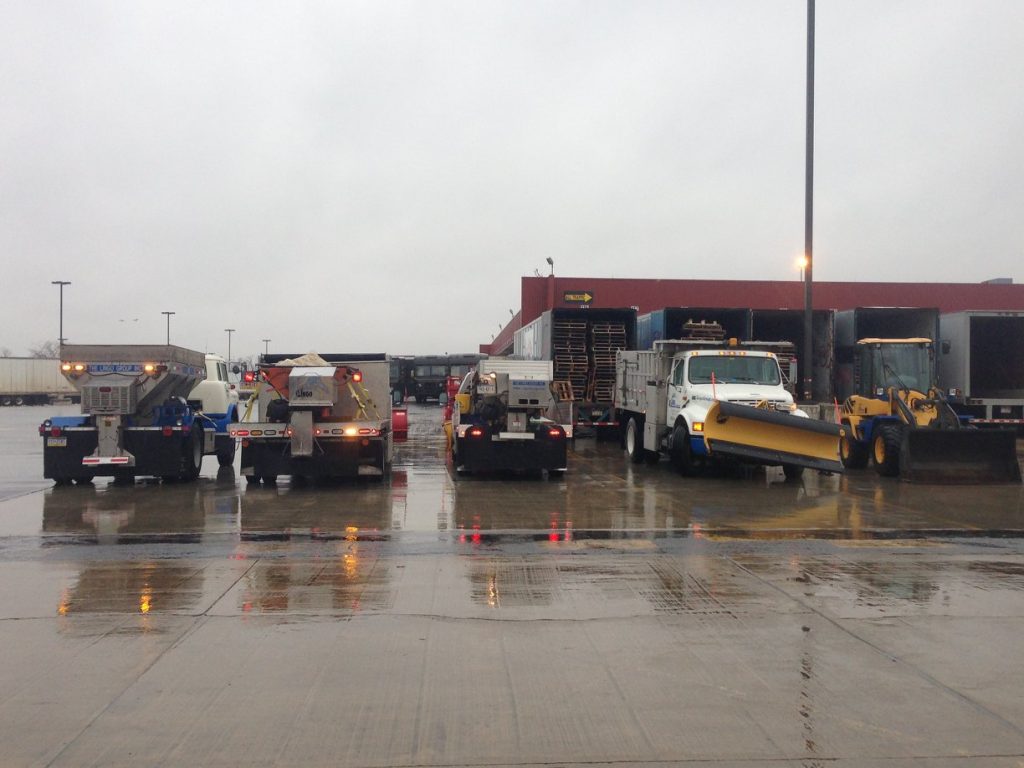
Every quote we issue is based on tangible, measurable factors specific to your site. This is where site specifications meet operational strategy.
Property Specifications and Complexity
The efficiency of clearing drives the cost. Complex layouts require smaller equipment and more labor hours per square foot.
- Area and Layout: We calculate the square footage of parking lots, drive aisles, and the linear footage of all pedestrian walkways. A tight network of access roads is more expensive than an open lot.
- Obstacles: Islands, curbs, speed bumps, and fire hydrants necessitate detailed clearing and smaller, less efficient equipment.
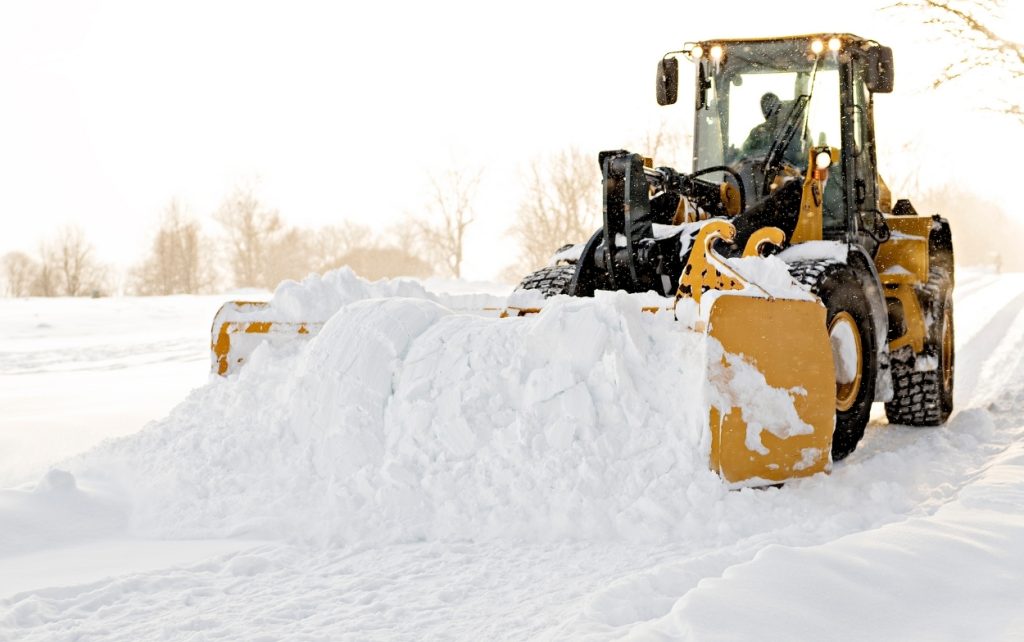
Snow Storage: The availability of an on-site stacking area is crucial. If snow must be piled in distant corners or hauled off-site (a separate service we provide) costs will increase significantly.
Service Expectations and Scope
Your required response level dictates the cost of staffing and materials.
- Trigger Depth: The required depth of accumulation before service is dispatched. Zero-tolerance contracts (often 1 inch or less) are the most expensive, as they require continuous standby and pre-treatment, often involving anti-icing applications before precipitation starts.
- Clear Time: Required operational hours. For example, a 6:00 AM clear time for morning traffic mandates overnight staffing and clearing, which carries a premium.
De-icing Requirements: The type of material used impacts cost. Bulk rock salt is standard, but properties with sensitive plantings, high-end pavers, or specific environmental requirements may require specialized, more expensive products like calcium chloride.
Snow Removal Liability and Compliance
We ensure all our practices align with industry standards, reducing your overall risk. We are members of the Pennsylvania Landscape & Nursery Association, which requires adherence to best operational standards. This compliance is factored into our service cost.
The real value of a quality commercial snow removal contractor is reduced liability. A cheap contract that overlooks pedestrian walkways increases your risk of slip-and-fall claims. The scope of work for these critical areas must be explicitly defined and adhered to.
Choose A Reliable Commercial Service
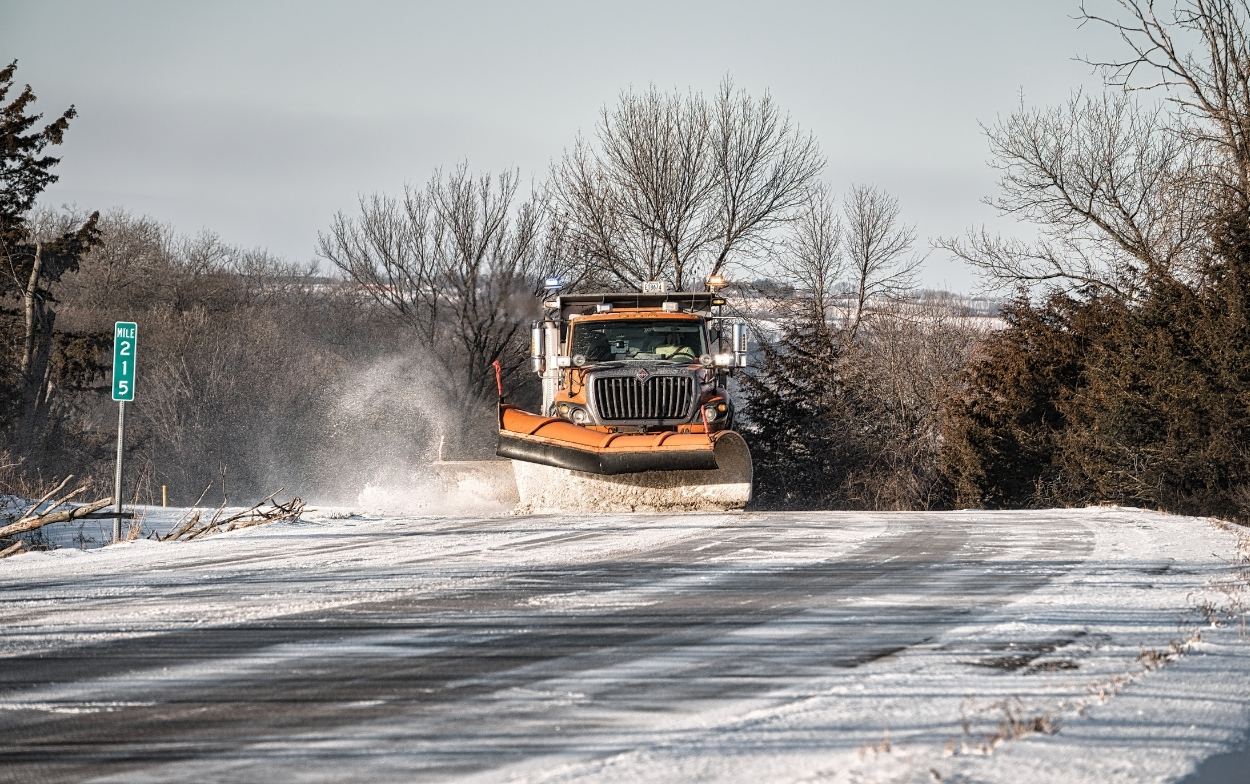
When evaluating proposals, look beyond the bottom-line dollar figure. We achieve reliability through rigorous investment in commercial-grade equipment and 24/7 proactive weather monitoring. Our pricing is transparent and itemized.
For most businesses, the seasonal contract offers the best long-term value because it guarantees budget protection and ensures high-priority service during severe weather. Furthermore, integrating snow services with year-round facility management means we have intimate knowledge of your property’s topography and drainage needs before winter even begins.
We recommend securing a fixed-rate seasonal proposal to lock in financial certainty for the upcoming winter.