
Choosing the Right Commercial Snow Removal Trigger Depth in Chalfont, PA
December 18th, 2025

What is a trigger depth?: The trigger depth is the amount of snow accumulation that dictates when The Lingo Group dispatches crews to your site.
In the Delaware Valley, where a storm can transition from freezing rain to heavy accumulation in an hour, setting an arbitrary trigger can leave a property vulnerable to significant liability.
At The Lingo Group, we establish trigger depths based on the specific traffic patterns and risk tolerance of each site.
Operating from our hub on Timber Lane in Chalfont, we provide the localized response necessary to meet these thresholds before they become a hazard to your tenants or customers.
Common Trigger Depth Examples
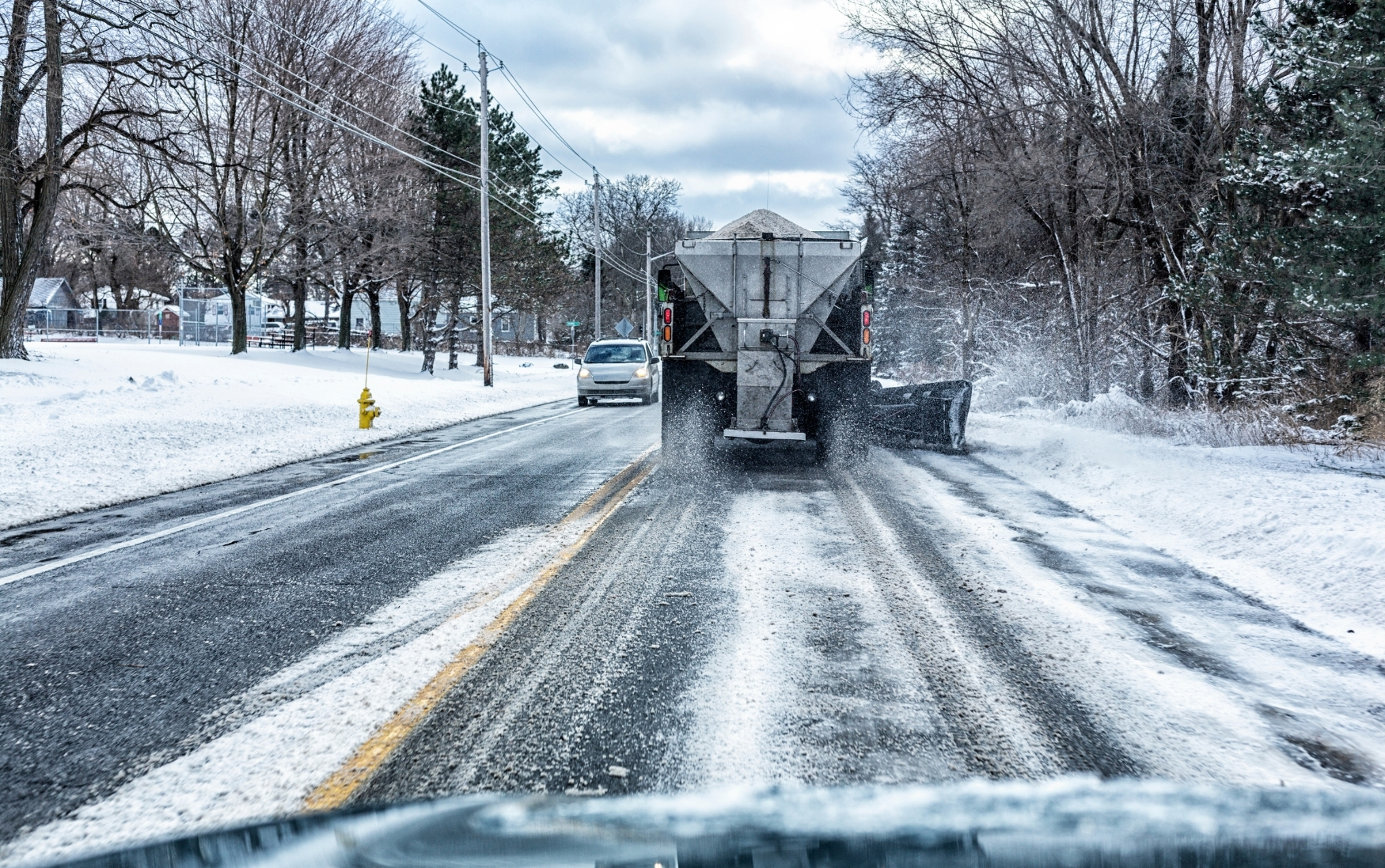
The “industry standard” for commercial plowing is often cited as 2 inches, but for professional facility management in Bucks County, that is frequently too high.
Waiting for 2 inches of accumulation often results in “pack-down,” where vehicle tires compress snow into a layer of ice that becomes nearly impossible to remove with a standard plow blade.
| Service Level | Trigger Depth | Ideal Property Type |
| Zero-Tolerance | Trace / .01″ Ice | Hospitals, Emergency Rooms, and 24/7 Retail. |
| High-Traffic | 1.0 Inch | Shopping centers, banks, and medical offices. |
| Standard Business | 1.5 – 2.0 Inches | Industrial warehouses and private office parks. |
| Sidewalk Specific | 0.5 – 1.0 Inch | All pedestrian-heavy walkways and ADA ramps. |
The Logic of the 1-Inch Trigger
We generally recommend a 1-inch trigger for most Chalfont commercial properties. This allows our crews to stay “ahead of the storm.” By clearing the first inch, we prevent the bond between snow and pavement from forming. This makes every subsequent pass more efficient and ensures that your lot stays “black” (visible asphalt) rather than “white” (packed snow), which is the single best way to reduce slip-and-fall incidents.
Smart Variations: Parking Lots vs. Walkways

One of the Lingo Group’s T300 Bobcats plowing a parking lot with extra precision.
A sophisticated commercial snow management plan often utilizes split triggers. Pedestrians are far more susceptible to injury from minor accumulation than vehicles.
| Zone Type | Standard Trigger | Operational Focus | Liability Impact |
| Walkway Priority | 0.5 Inches | Frequent clearing of handicap ramps, main vestibules, and stairways using dedicated sidewalk crews. | Minimizes the “slip-and-fall window” where pedestrians transition from cars to buildings. |
| Lot Efficiency | 1.5 Inches | Deploying heavy 4×4 trucks and loaders once accumulation justifies the mobilization of large machinery. | Maximizes machine hours and prevents unnecessary plowing of light dustings that salt can handle. |
This tiered approach, managed through our Time and Materials (T&M) billing, ensures you aren’t paying for heavy equipment when only a sidewalk crew is needed.
The Financial Impact of Your Trigger Choice
Choosing your trigger depth is a direct lever for your winter expenses. Because we bill based on the actual resources used, a lower trigger results in more frequent, shorter visits.
-
Proactive Costs: A 1-inch trigger might result in three visits during a 5-inch storm. While this increases the number of “pushes,” it significantly reduces the need for heavy snow hauling and relocation later, as the snow never has a chance to turn into a frozen mountain in your parking stalls.
-
Reactive Costs: A 3-inch trigger might only result in one visit, but the labor required to break through compacted ice and the massive amount of salt needed to melt the residue often results in a similar, or higher, total invoice
Liability and the “Paper Trail”
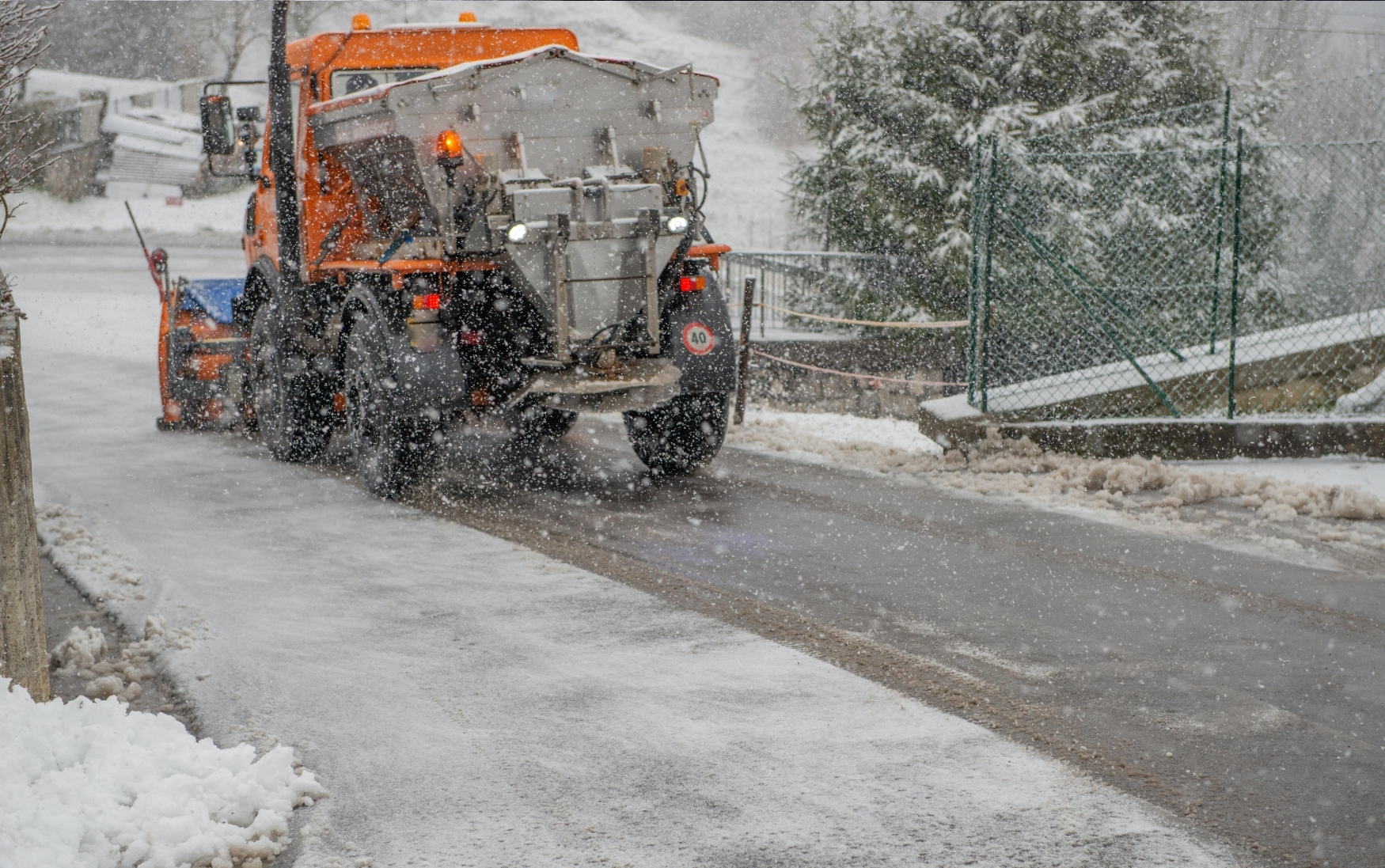
In Pennsylvania, the Hills and Ridges Doctrine generally protects property owners from liability for “generally slippery conditions,” but it does not protect against “unreasonable” accumulation. A contractually defined trigger depth provides the objective proof that you have a professional standard of care in place.
Every time a Lingo Group crew hits your site in Chalfont, the event is timestamped and logged. If a claim arises, these logs prove that we were on-site and active the moment your specific trigger was reached. This documentation is your primary defense in a legal environment where slip-and-fall claims can average over $30,000.
Engineering Your Site’s Response

Setting the right trigger is only the first step. We combine this depth threshold with real-time pavement temperature monitoring. If the air is 34°F but the pavement on your shaded North-facing lot is 30°F, we may initiate de-icing even before the snow trigger is met. This level of comprehensive landscape and site care is what separates a professional management firm from a local plow truck.
Selecting the correct trigger depth requires a balance of safety, budget, and property usage. By aligning your contract triggers with the actual operational needs of your facility, you ensure a safer environment for your stakeholders while maintaining control over your seasonal overhead.