1. Site Evaluation
We assess tree health, trunk diameter (caliper), soil composition, drainage patterns, underground utilities, and equipment access.
This step confirms whether the tree is a strong candidate for relocation and whether sufficient root ball size can be achieved without damaging surrounding infrastructure.
Early evaluation is especially important on commercial properties where grading or construction may restrict options.
2. Root Ball Sizing & Extraction
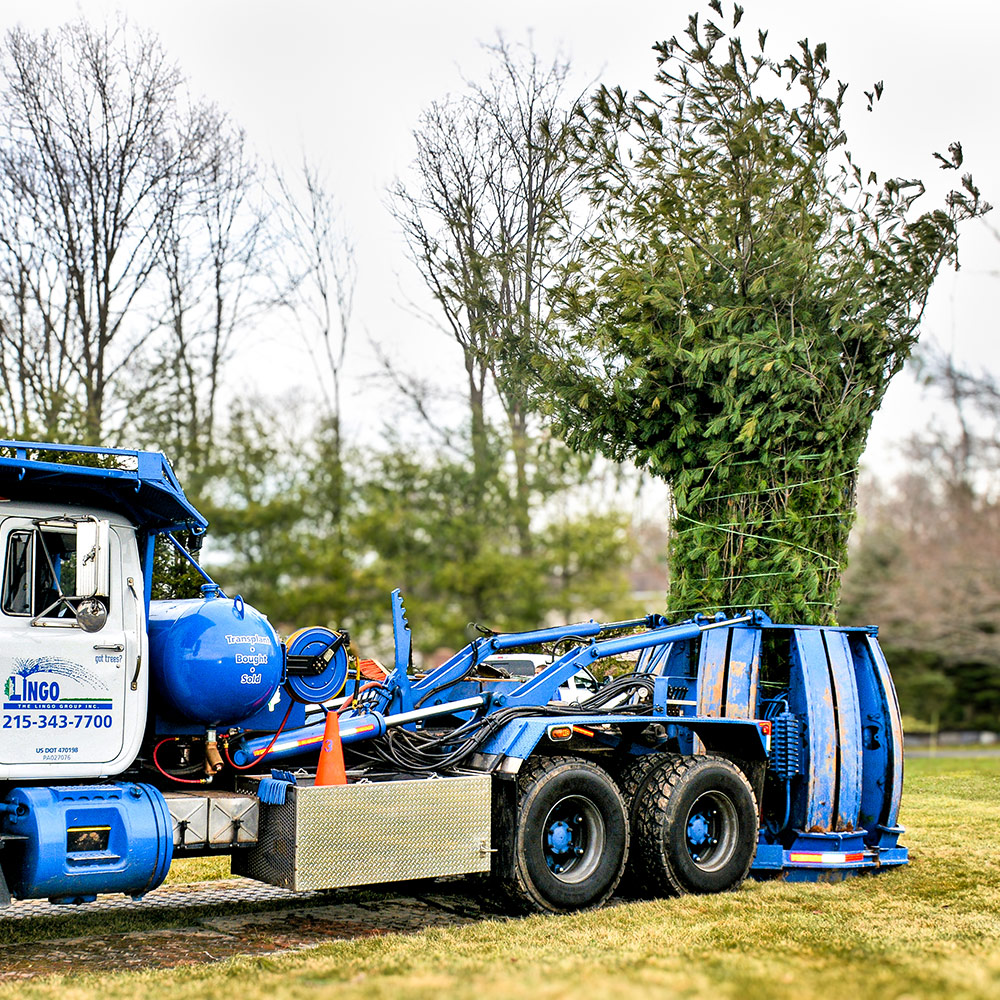
Root ball dimensions are calculated based on trunk diameter to preserve as much feeder root mass as possible. These fine roots are responsible for water absorption and directly impact transplant survival.
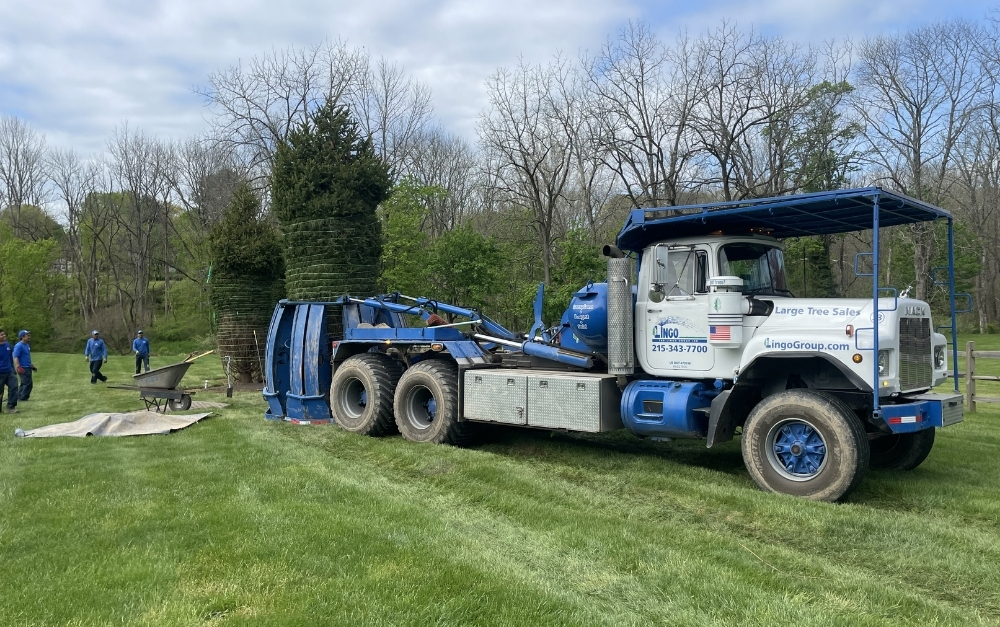
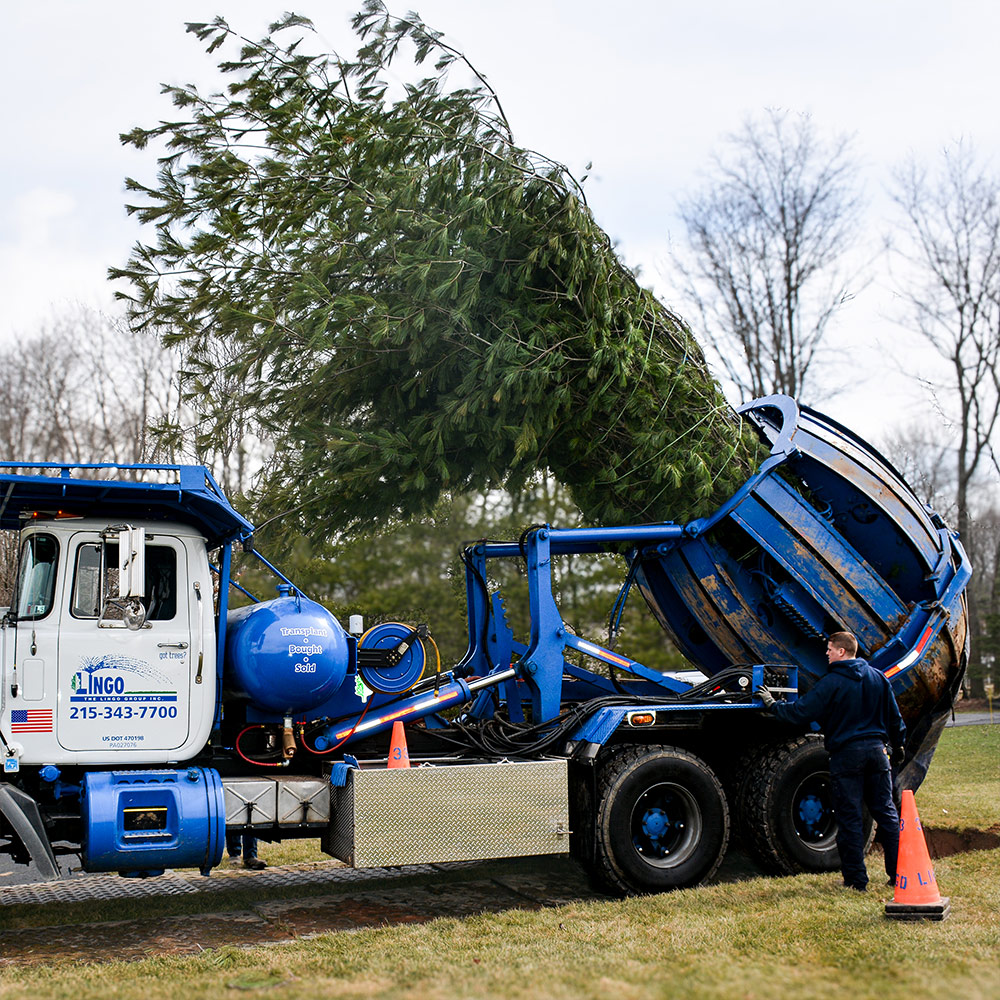
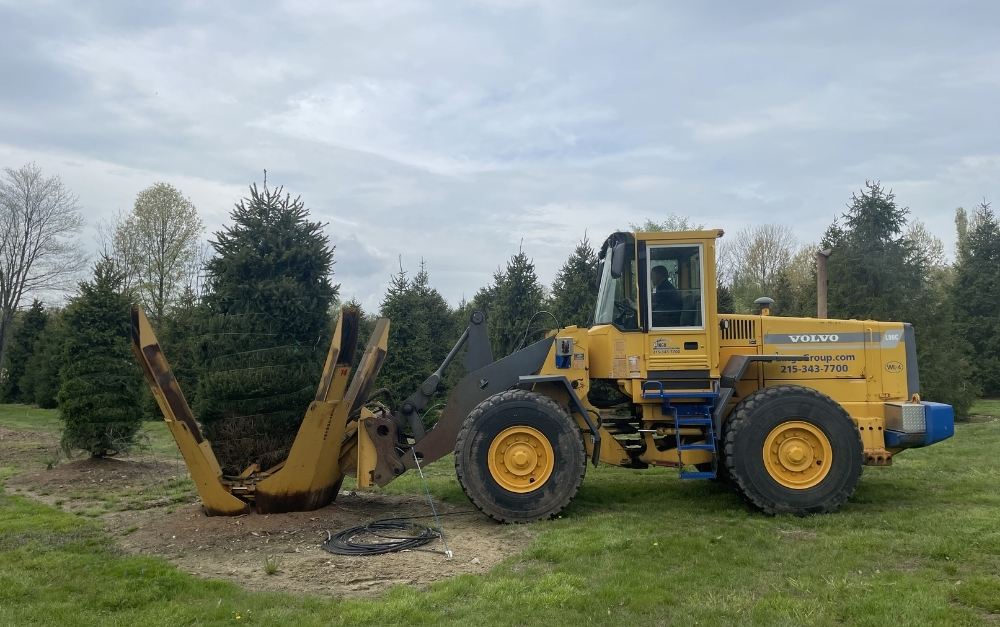
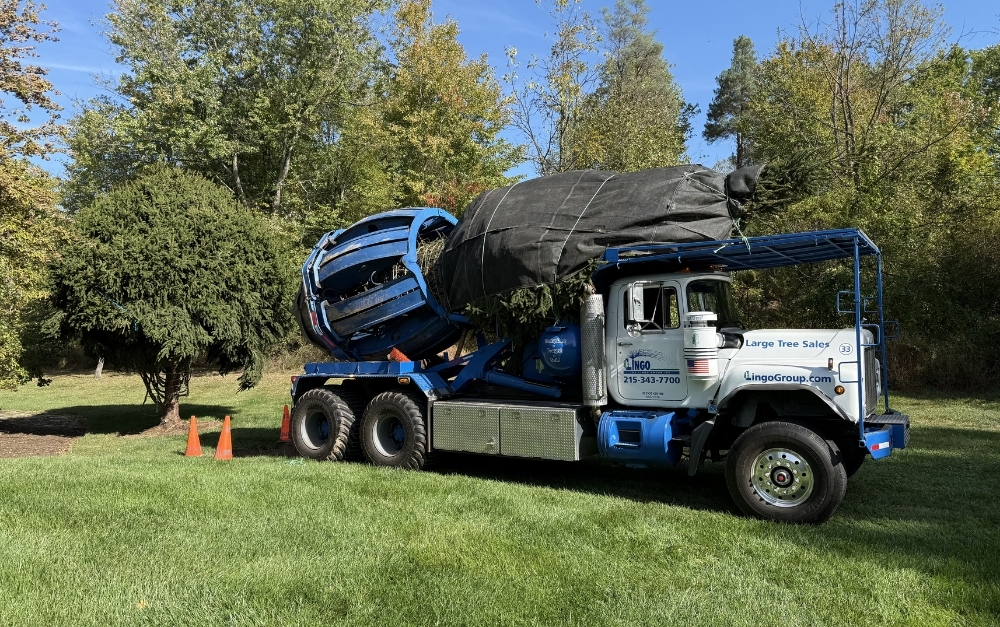
Extraction is completed using a hydraulic tree spade or hand digging, depending on site constraints. The objective is a clean, stable root ball with minimal exposure time before replanting.
3. Placement & Proper Planting Depth
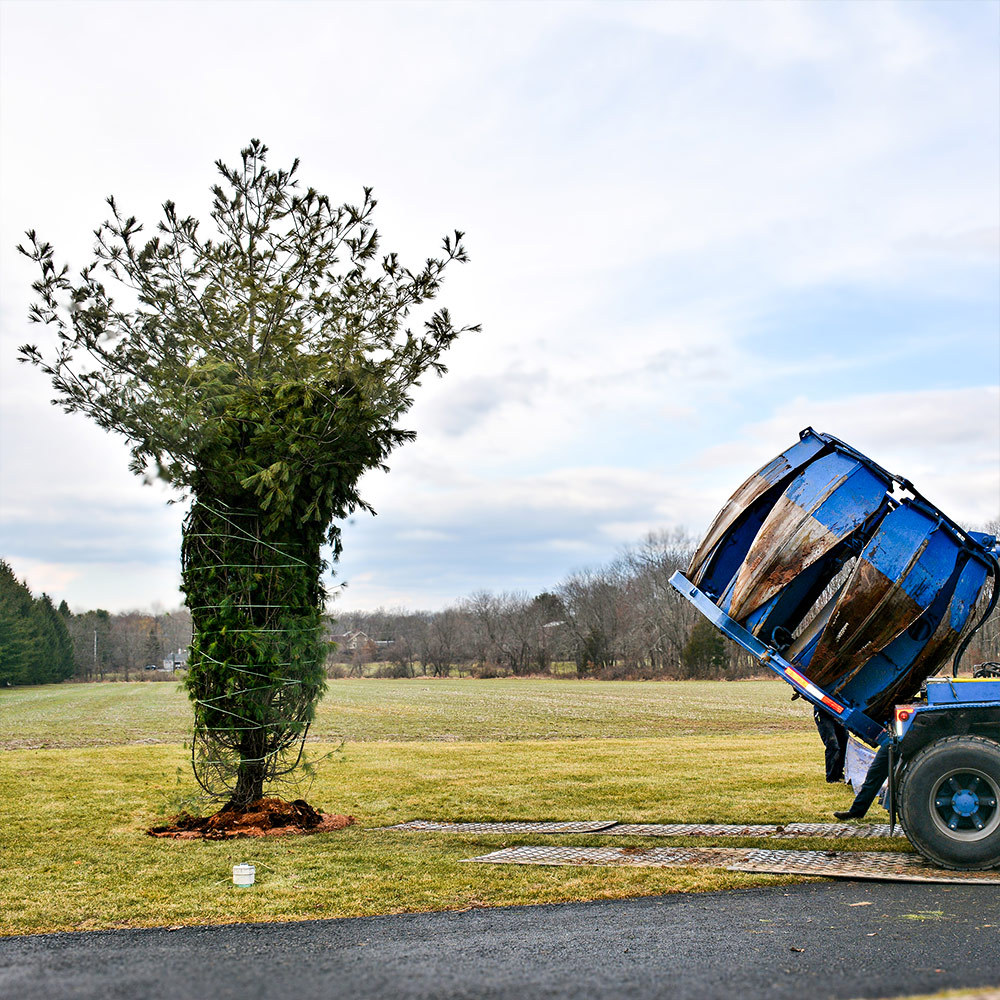
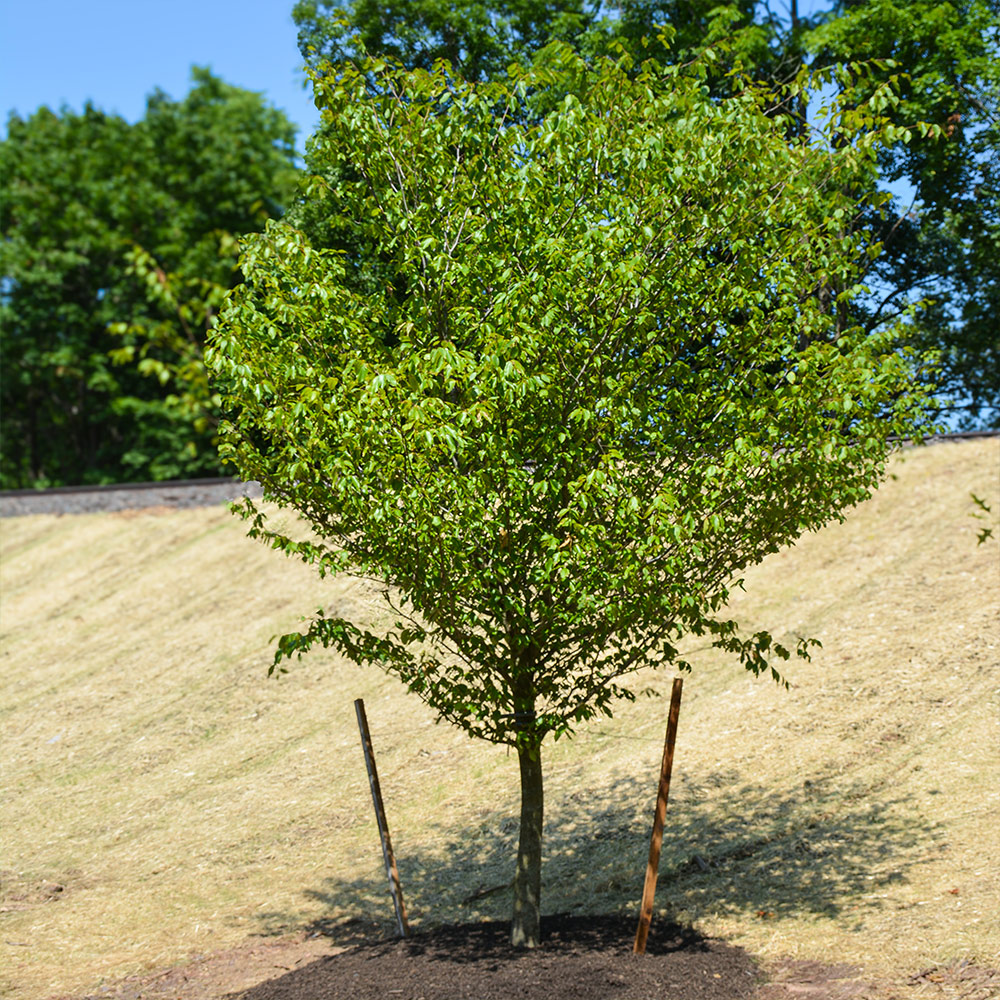
At the new location, the planting hole is prepared to match root ball size. Proper depth is critical — the root flare must remain visible above finished grade to prevent oxygen restriction and long-term decline.
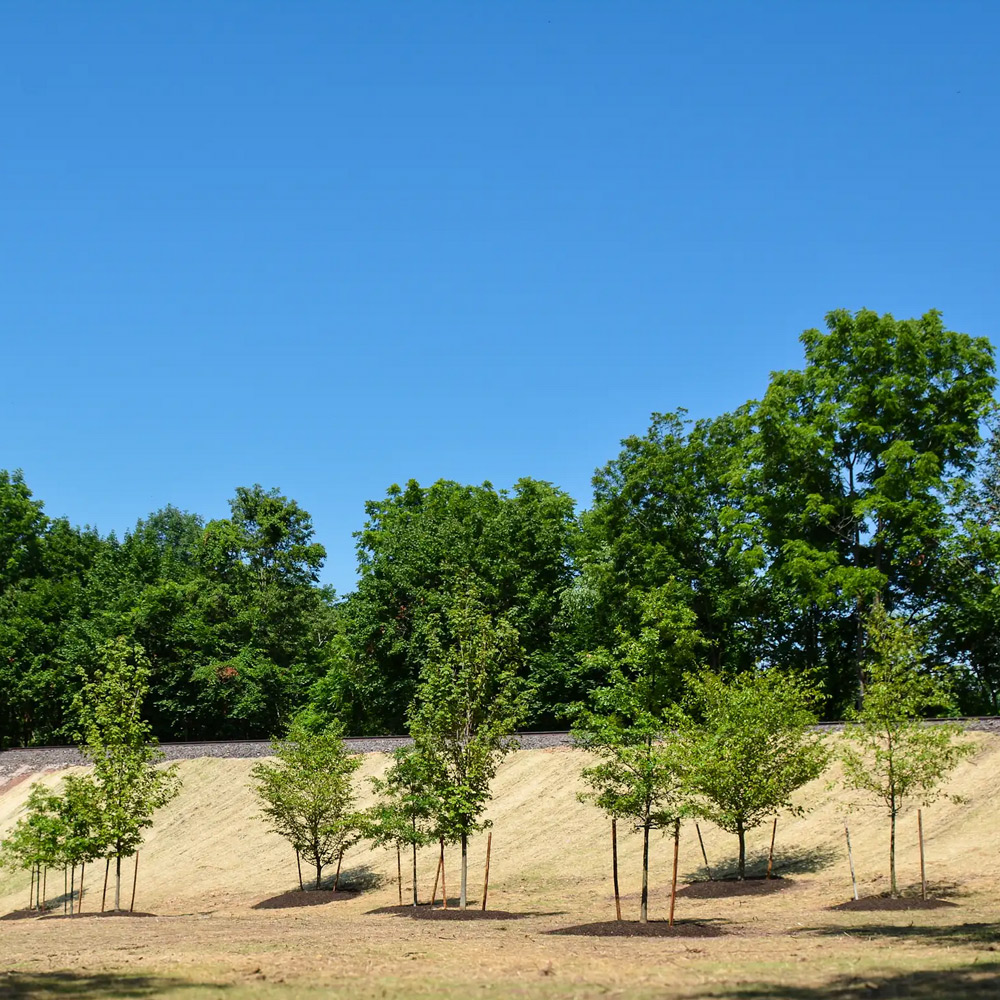
The tree is positioned for structural alignment, backfilled carefully, stabilized if necessary, and mulched to regulate soil moisture.
Precision in these first three steps largely determines how well the tree establishes in the seasons that follow.