
Spring Lawn Care in Bucks County: What Your Lawn Actually Needs After Winter (Step-by-Step)
April 1st, 2026
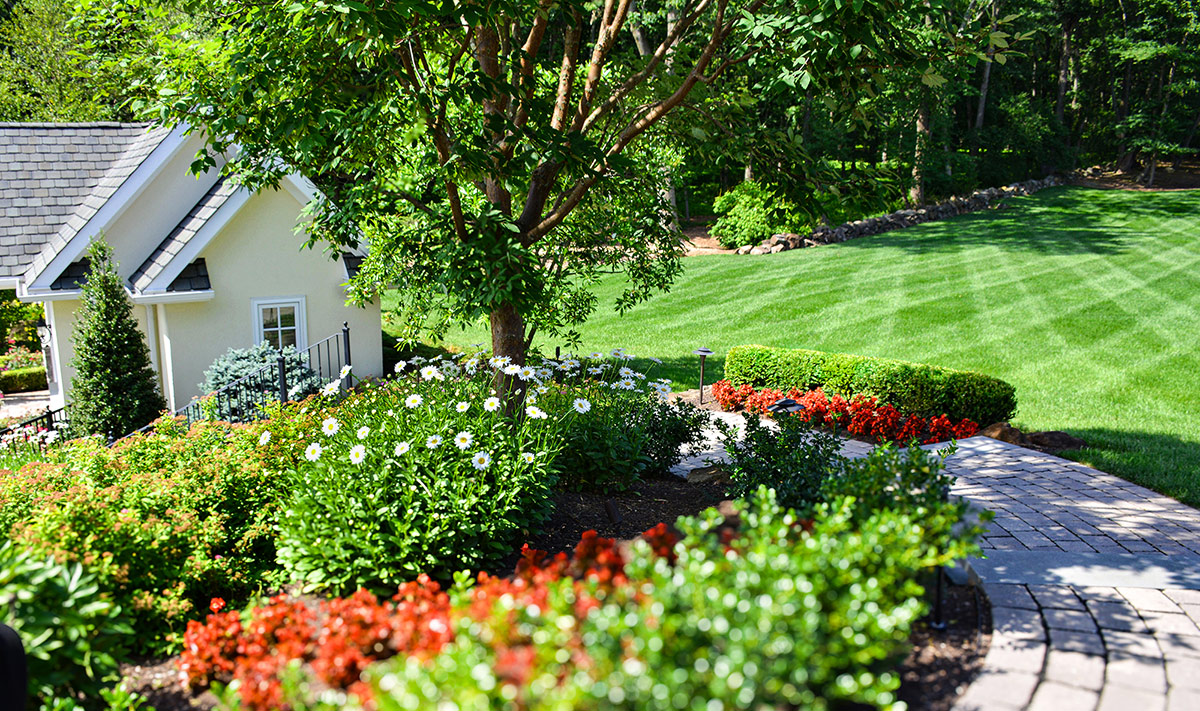
Spring lawn care in Bucks County is about restoring function first, because if the soil, surface, and root zone aren’t reset after winter, nothing you do later in the season will perform the way it should.
Most lawns coming out of winter look “okay” on the surface. But underneath, they’re dealing with compaction, trapped debris, and weakened root systems. If those aren’t addressed in the right order, you end up chasing problems all summer.
We approach spring lawn care as a sequence, not a checklist. Each step builds on the last, and skipping one weakens everything that follows.
What Actually Happens to Lawns Over Winter
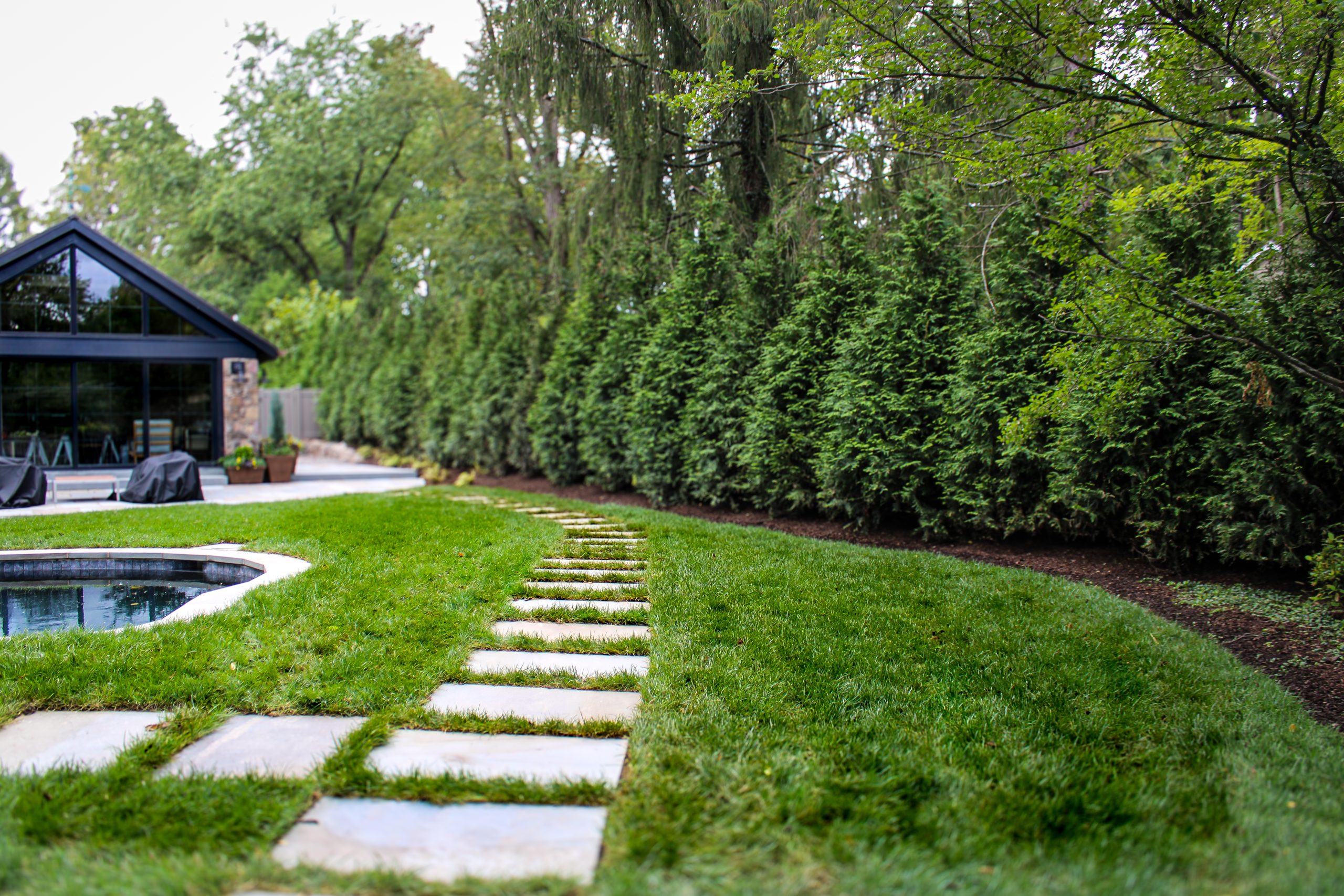
Before getting into the steps, it’s important to understand what winter does to turf in this region.
In Bucks County, repeated freeze-thaw cycles expand and contract the soil. Snow cover compresses the surface. Organic debris gets pushed into the turf layer.
The result by early spring:
- Soil is compacted and low in oxygen
- Debris is embedded, not just sitting on top
- Root systems are shallow and stressed
- Moisture distribution is uneven
According to the USDA Natural Resources Conservation Service, compacted soils reduce water infiltration and root growth, two of the biggest limiting factors for turf recovery.
That’s why the order of operations in spring lawn care matters more than the individual services themselves.
Step 1: Full Surface Reset (Cleanup Comes First)
Nothing else works until the lawn can breathe.
Spring cleanup is not just about appearance, it’s about removing the physical barrier between sunlight, air, and the soil surface.
We start every program with a structured cleanup that removes:
✓ Leaves and organic debris embedded in turf
✓ Fallen branches and winter damage
✓ Residual buildup in landscape beds
✓ Surface-level obstructions that block seed and nutrients
This is the foundation for everything that follows.
If you skip this step, or rush it, you reduce the effectiveness of aeration, seeding, and fertilization.
For properties in our service area, this typically begins with a dedicated service like yard cleanup in Bucks County, which ensures the surface is fully prepared before moving forward.
Step 2: Evaluate Soil Condition Before Doing Anything Else
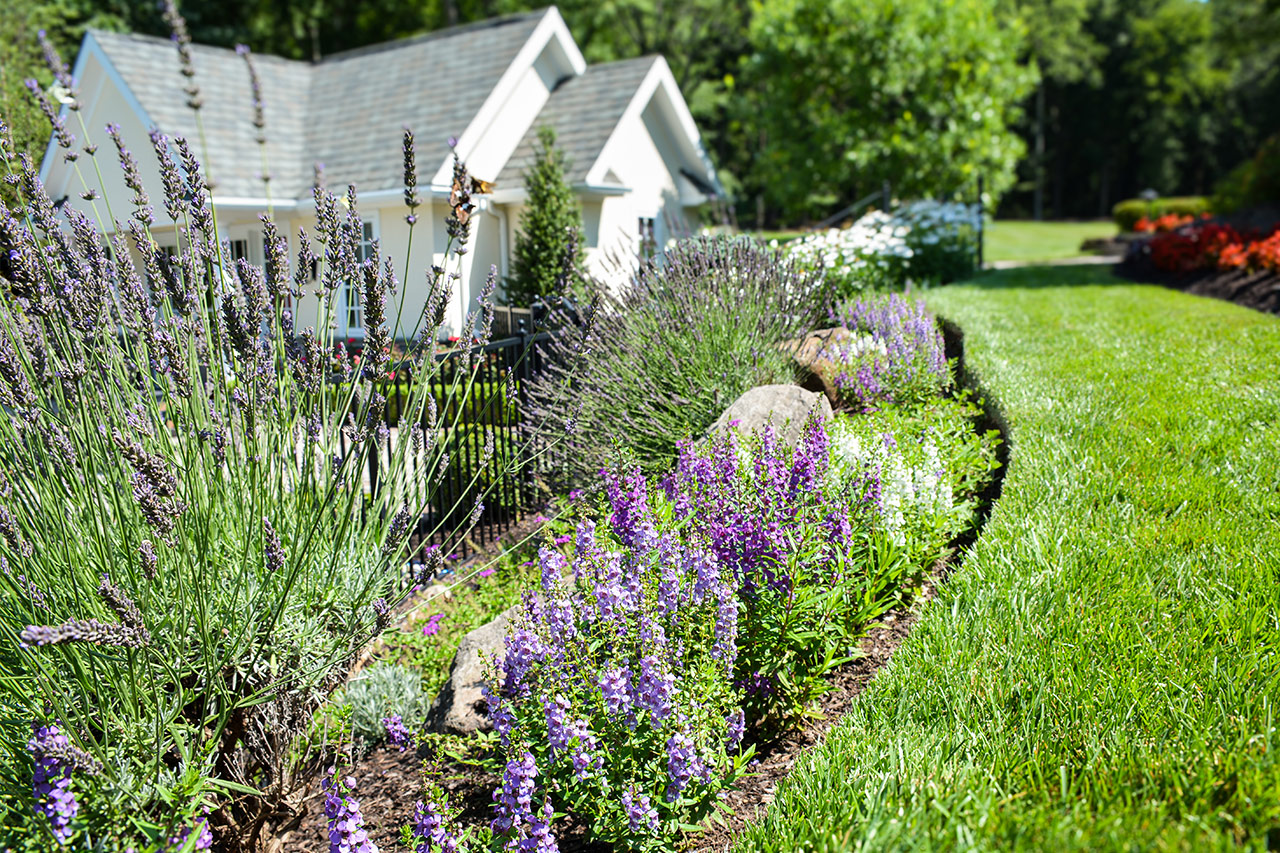
Most spring lawn care mistakes happen here, people treat the lawn before understanding the soil.
In this region, soil tends to be dense and clay-heavy. After winter, that density increases.
We evaluate:
- Compaction level
- Moisture saturation
- Areas of poor drainage
- Existing turf density
This determines whether the lawn needs light maintenance or full correction.
ⓧ Treating without evaluating soil
ⓧ Applying fertilizer before addressing compaction
ⓧ Seeding into closed, compacted soil
All of these waste time and money.
Step 3: Core Aeration (The Most Underrated Step)
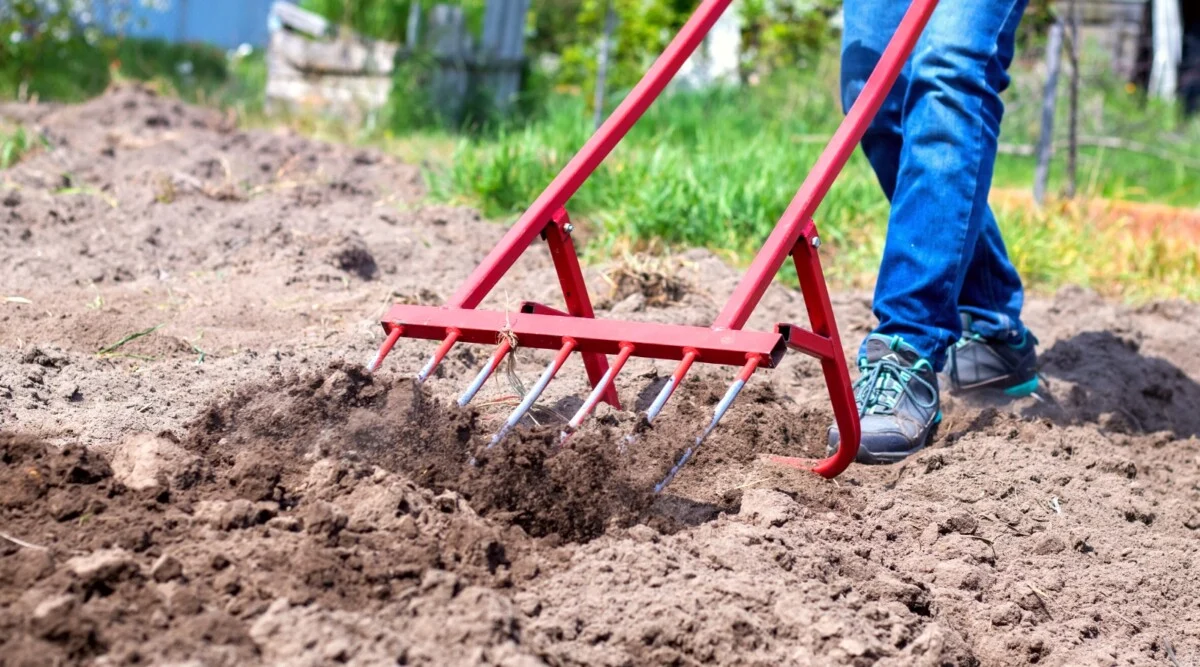
Photo Courtesy Of www.EpicGardening.com
If there’s one step that drives results in spring lawn care, it’s aeration.
Aeration physically removes plugs of soil, creating space for:
- Oxygen to reach roots
- Water to penetrate instead of running off
- Nutrients to move into the root zone
Here’s the key insight:
Without aeration, everything else you do sits on top of the lawn instead of working within it.
| Condition | Without Aeration | With Aeration |
|---|---|---|
| Water Movement | Runs off surface | Absorbs into soil |
| Root Growth | Shallow | Deep and stable |
| Seed Establishment | Inconsistent | Strong and uniform |
| Fertilizer Effectiveness | Limited | Fully utilized |
This is especially critical in Bucks County, where compaction is one of the biggest limiting factors for turf performance.
Field Note
Aeration and Overseeding Should Always Be Paired. Separating these two steps is one of the most common, and costly, mistakes. Aeration creates opportunity, overseeding takes advantage of it.
If you aerate without seeding, you improve soil, but don’t improve turf density. If you seed without aerating:
you waste seed on a surface it can’t penetrate.
Step 5: Targeted Fertilization (Not Just “Feed the Lawn”)
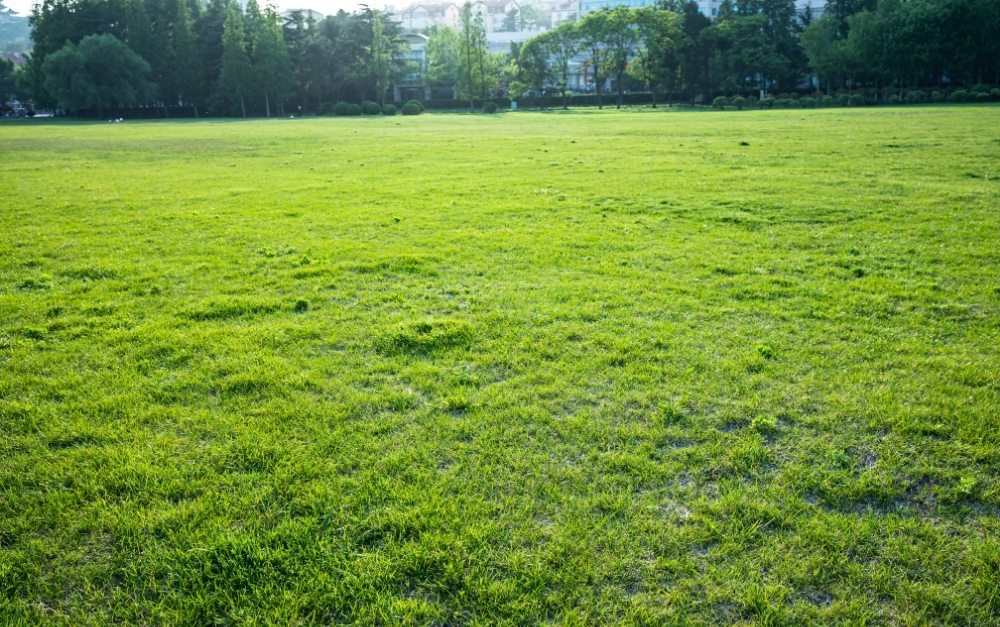 Fertilization in spring is not about making the lawn green, it’s about supporting root development.
We apply nutrients based on how cool-season grasses actually grow in Pennsylvania.
That means:
- Avoiding heavy early applications that force top growth
- Supporting root strength instead of blade height
- Timing applications to match soil activity
The Environmental Protection Agency also emphasizes reducing unnecessary chemical use, something we build into our targeted approach.
Step 6: Monitor Early-Season Weed and Pest Pressure
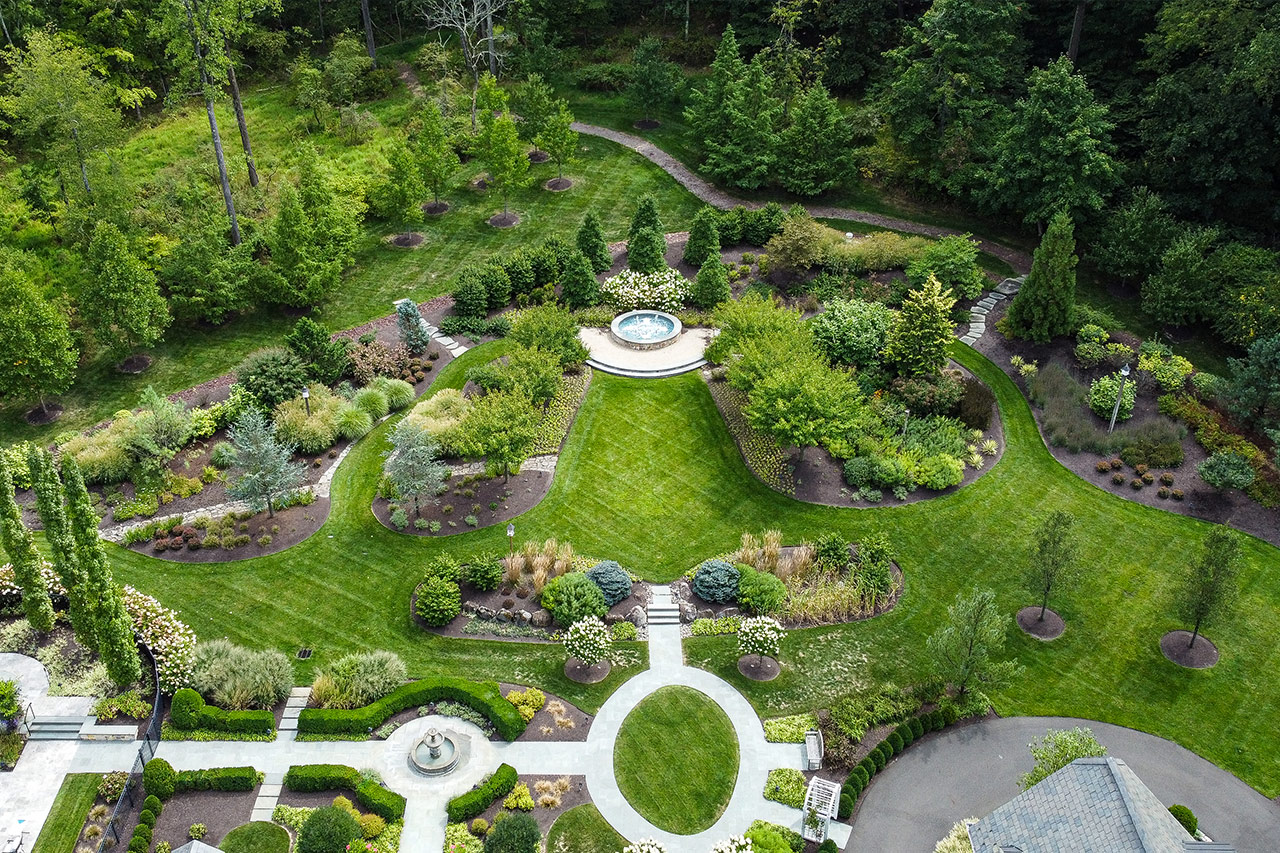
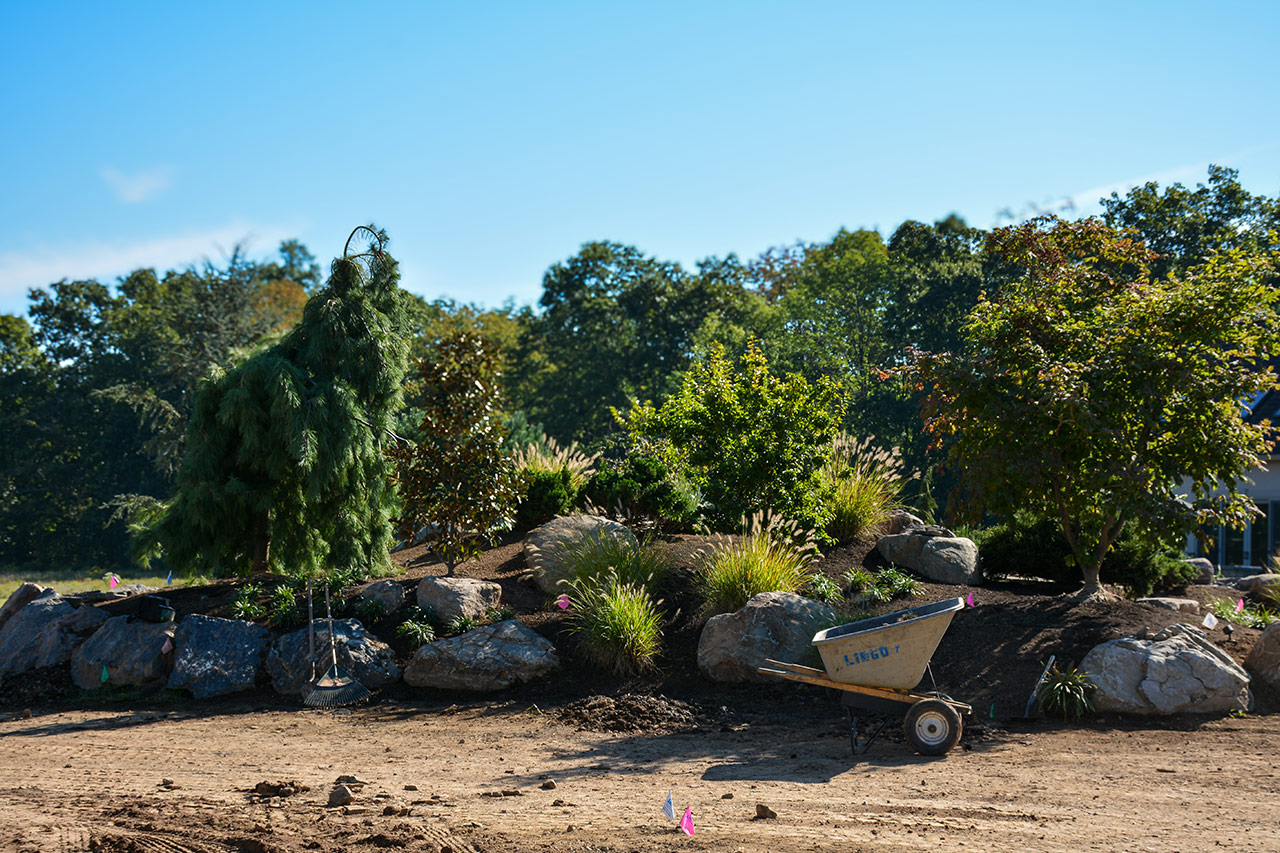
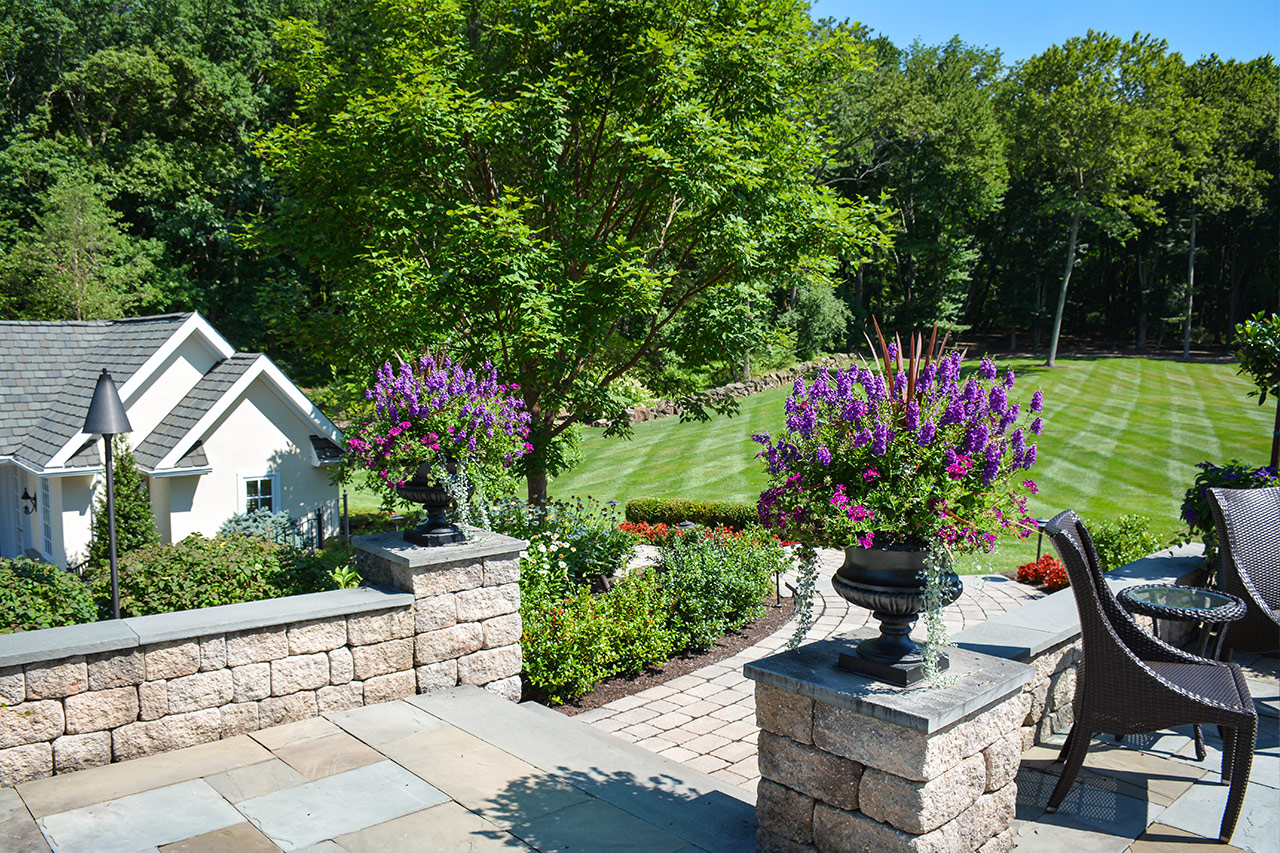
One of our clients’ properties where our Spring Cleanup and other landscaping services were performed.
Spring is when weeds and pests begin to establish, but blanket treatments are rarely the right answer.
We monitor for:
- Early weed germination
- Grub activity
- Surface-feeding insects
Then apply targeted treatments only where needed.
This keeps the lawn healthy without overloading it with unnecessary inputs.
What a Properly Executed Spring Lawn Care Program Produces
When the sequence is done correctly, results show up in structure, not just color.
Within a few weeks:
- Turf becomes denser and more uniform
- Bare spots begin filling in
- Water absorption improves
By early summer:
- Root systems are deeper and more resilient
- Weed pressure is reduced naturally
- Maintenance becomes more predictable
What Most Homeowners Get Wrong
The biggest issues we see every year are not complicated, they’re order-of-operations problems.
ⓧ Starting with fertilizer instead of cleanup
ⓧ Skipping aeration on compacted soil
ⓧ Seeding without proper soil contact
ⓧ Treating based on calendar dates instead of conditions
Each of these creates downstream problems that are harder to fix later.
The Right Way to Approach Spring Lawn Care
 Spring lawn care is not about doing more, it’s about doing the right things in the right order.
If the goal is a lawn that holds up through summer, the work done in early spring is what makes that possible.
For properties in Bucks County, especially larger estates and commercial sites, a structured approach eliminates guesswork and reduces the need for mid-season corrections.
If you want to evaluate where your lawn stands and what it actually needs this spring, the next step is a property-specific walkthrough. You can start that process through our contact page, and we’ll map out exactly what your lawn requires, and why.