

Spring Cleanup Cost: What Property Owners in Bucks County Should Expect
April 20th, 2026
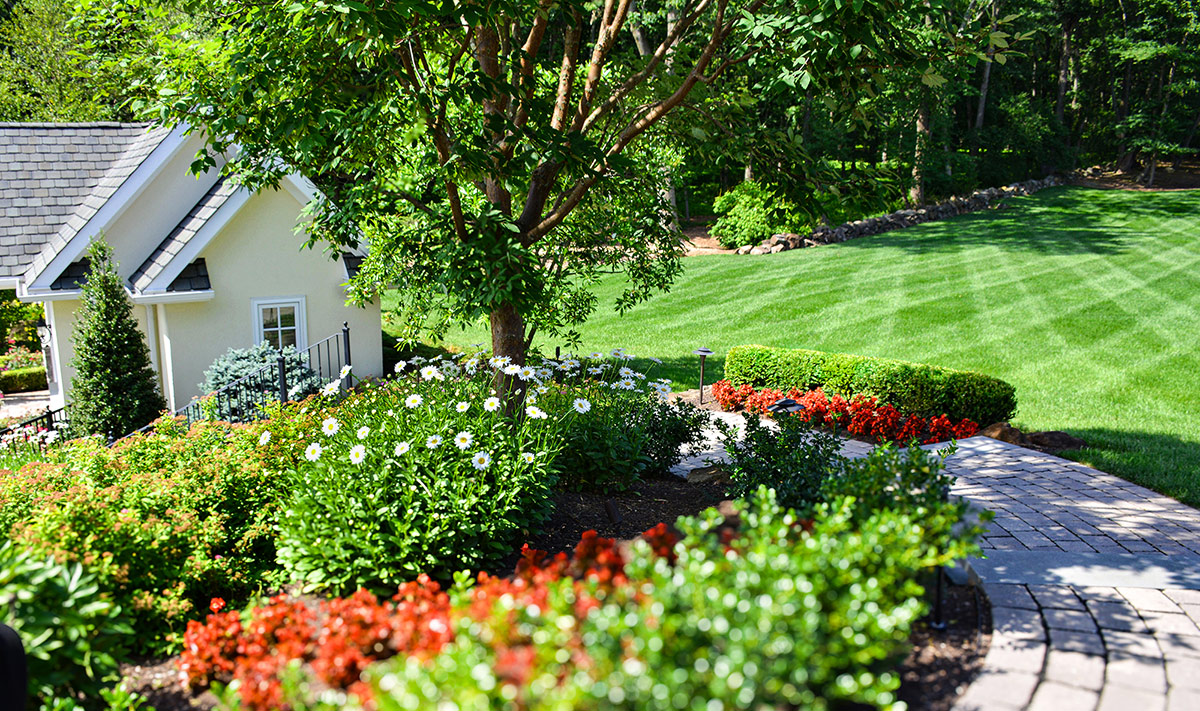
How much does our Spring cleanup cost?
For most properties, spring cleanup cost typically ranges between $200 and $800, but that number only makes sense when you understand what drives it, and what happens if the work is done incorrectly or incompletely.
In Bucks County, winter doesn’t end cleanly. Snow piles compact turf, plow edges tear up lawn perimeters, and organic debris accumulates in ways that aren’t immediately visible until the thaw exposes everything at once. What looks like a simple cleanup is often a multi-phase restoration process.
What Actually Goes Into a Spring Cleanup
 A proper spring cleanup is not just leaf removal. It is a reset of the landscape system after months of stress, compaction, and biological dormancy.
A comprehensive yard cleanup typically includes:
✓ Removal of leaves, branches, and winter debris
✓ Bed edging and redefining landscape lines
✓ Cutting back perennials and ornamental grasses
✓ First-stage pruning of shrubs and damaged growth
✓ Lawn surface clearing to prevent turf suffocation
When these steps are skipped or rushed, the consequences show up quickly, thin turf, fungal issues, and poor plant recovery during early growth cycles.
Spring Cleanup Cost Breakdown by Property Type
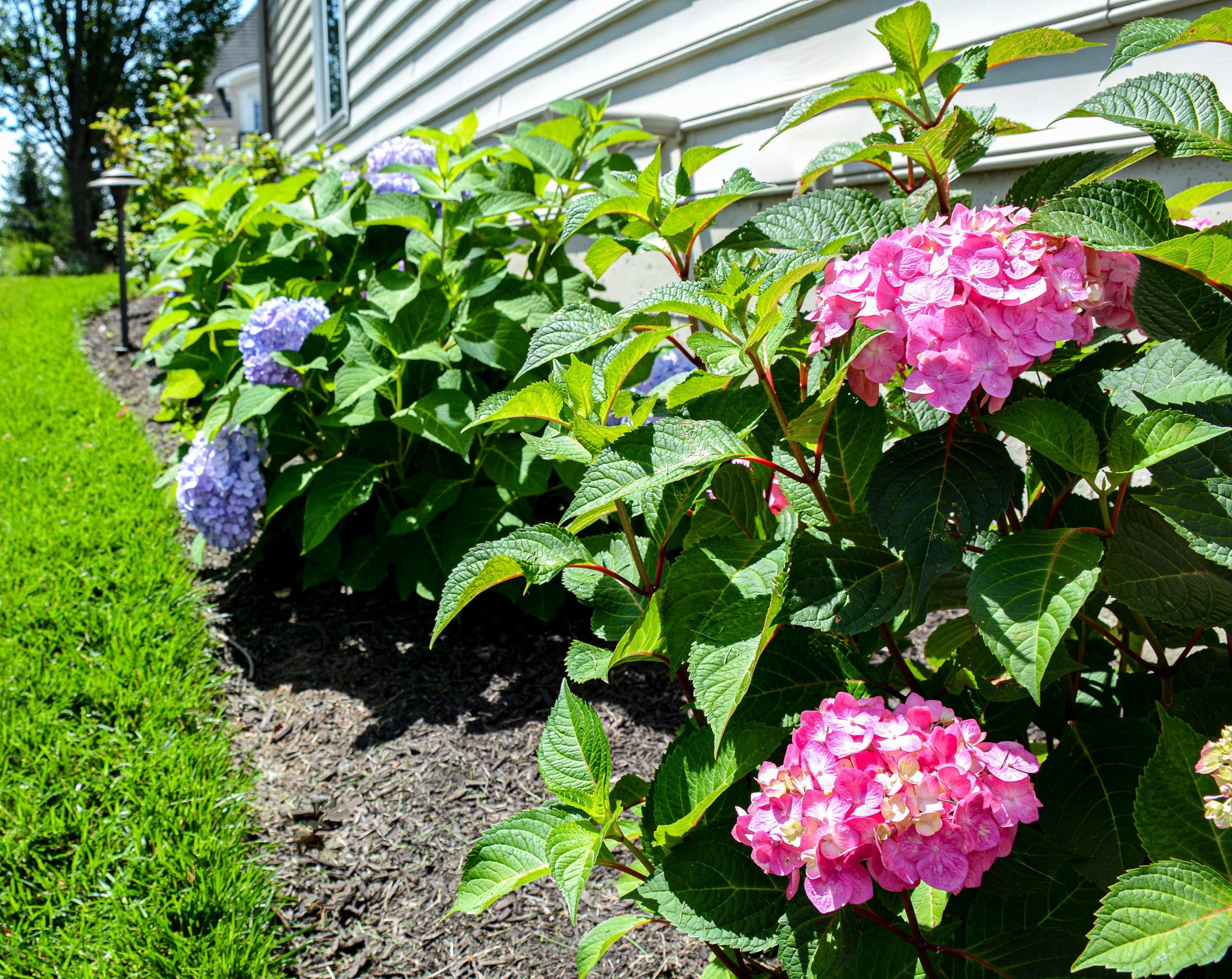
The reason spring cleanup cost varies so widely is simple: labor time scales with property complexity, not just square footage.
| Property Type | Typical Scope | Estimated Cost Range |
|---|---|---|
| Small residential lot | Light debris, minimal beds | $200 – $350 |
| Mid-size suburban property | Moderate debris, defined beds | $350 – $600 |
| Large estate or commercial site | Heavy debris, extensive pruning, large bed areas | $600 – $800+ |
For commercial properties and estates, cleanup often involves coordination across multiple landscape zones, turf, planting beds, hardscape edges, and drainage areas. Each of those zones responds differently after winter.
Key Factors That Influence Spring Cleanup Cost
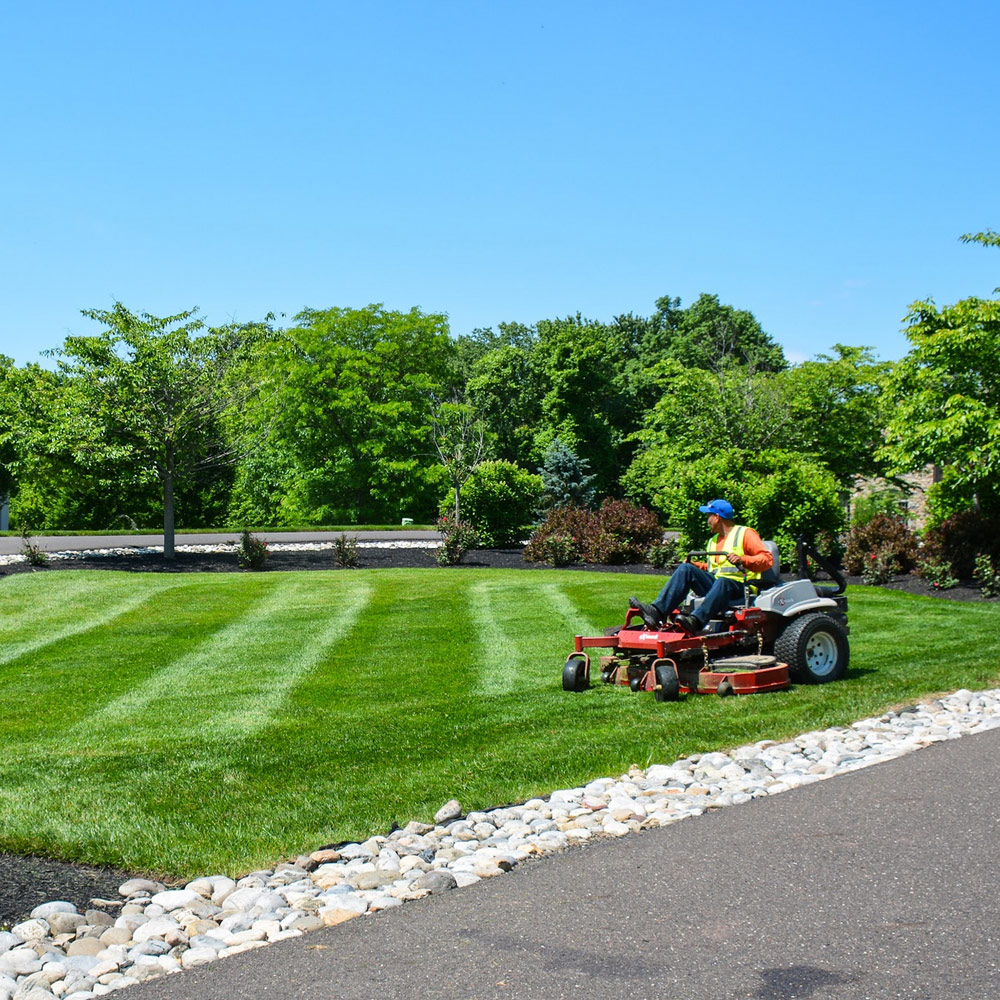 Not all properties emerge from winter in the same condition. The biggest drivers of cost are tied to how much corrective work is required before normal maintenance can begin.
Property-Specific Variables
✓ Volume of organic debris (leaves, branches, thatch)
✓ Size and number of planting beds
✓ Turf condition and compaction levels
✓ Accessibility for crews and equipment
✓ Presence of storm damage or winter burn
A property with heavy tree coverage, for example, can accumulate double or triple the debris of a similar-sized open lot. That directly impacts labor hours.
Environmental and Seasonal Factors
Winter severity also plays a role. The National Weather Service seasonal resources provide localized data on freeze-thaw patterns that directly influence how landscapes emerge in spring.
When winters include repeated thaw cycles, debris becomes embedded in turf and soil, making cleanup more labor-intensive.
What Drives Costs Higher Than Expected
In many cases, spring cleanup cost increases because of issues that developed over time, not just during winter.
ⓧ Deferred fall cleanup leading to layered debris buildup
ⓧ Unmaintained planting beds with overgrowth and dead material
ⓧ Drainage issues causing saturated or compacted soil
ⓧ Improper pruning from previous seasons requiring correction
ⓧ Accumulated edging loss requiring redefinition
These conditions turn a standard cleanup into a restoration project. The difference is not cosmetic, it affects how efficiently the landscape transitions into active growth.
How Spring Cleanup Affects Long-Term Landscape Performance
 Spring cleanup is not just a seasonal reset, it directly impacts how the landscape performs through summer.
When debris is left in place, it blocks sunlight, traps moisture, and creates conditions for disease. Research from the USDA Natural Resources Conservation Service highlights how soil health and surface conditions influence plant recovery and long-term landscape resilience.
A properly executed cleanup:
✓ Improves airflow and sunlight exposure
✓ Reduces fungal and pest pressure
✓ Encourages uniform turf growth
✓ Prepares beds for mulch and planting
✓ Extends the lifespan of plant material
Skipping or minimizing this step often leads to higher costs later, through corrective treatments, plant replacement, or turf repair.
Typical Timeline for Spring Cleanup in Bucks County
Understanding timing helps clarify why pricing and availability can shift quickly in early spring.
| Timeframe | Conditions | Impact on Cost |
|---|---|---|
| Early March | Frozen/thawing ground, limited access | Moderate |
| Late March – Early April | Ideal cleanup window | Most efficient pricing |
| Late April – May | Rapid growth begins | Higher labor due to overgrowth |
As temperatures rise, plant growth accelerates. That means more trimming, more material removal, and more labor hours.
When a Spring Cleanup Becomes a Larger Project
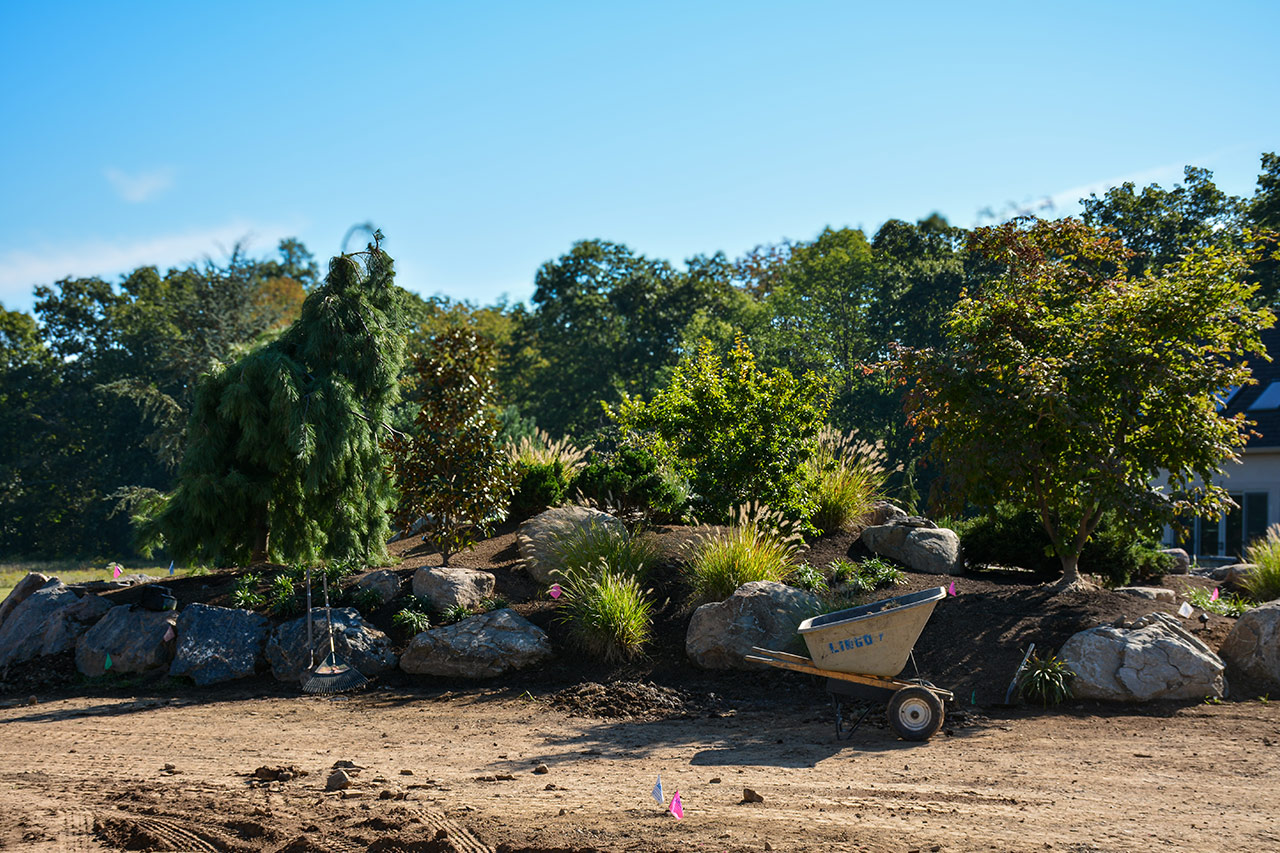 Some properties require more than a standard cleanup. In these cases, the scope expands into what we consider a seasonal reset project.
This often includes:
✓ Mulch installation after bed preparation
✓ Turf repair or overseeding in damaged areas
✓ Structural pruning for shrubs and small trees
✓ Drainage corrections or grading adjustments
At that point, the project moves beyond basic spring cleanup cost and into a more comprehensive landscape improvement plan.
For property owners evaluating that level of work, it’s helpful to review a detailed service breakdown like our yard cleanup in Bucks County page, which outlines what a full-service approach includes.
Why Professional Cleanup Is More Efficient
The difference between a basic cleanup and a professional one comes down to execution and equipment.
We operate with integrated crews, specialized equipment, and a coordinated workflow that allows us to move efficiently across large properties. As outlined in our operational model , having in-house teams and equipment eliminates delays and ensures consistency across every phase of the work.
For larger properties, that efficiency directly impacts cost. What might take a homeowner several weekends can be completed in a single, coordinated visit.
Planning Your Spring Cleanup Budget

The most practical way to approach spring cleanup cost is to treat it as an annual baseline investment, not a reactive expense.
Budgeting becomes predictable when:
✓ Cleanup is performed consistently every year
✓ Fall maintenance reduces spring workload
✓ Landscape systems (drainage, turf, beds) are maintained properly
When those conditions are met, costs stay within the typical $200–$800 range. When they are not, cleanup becomes corrective, and more expensive.
A Practical Next Step
If you are managing a commercial property or estate in Bucks County, the goal is not just to clean up debris, it is to restore the landscape to a condition where routine maintenance can take over efficiently.
A site evaluation early in the season provides clarity on scope, timing, and cost before the spring rush begins. If you want a clear, property-specific assessment, we recommend starting with a consultation through our Contact Us page.
That conversation allows us to align the scope of work with your property’s actual condition, so your spring cleanup cost reflects what’s needed, not guesswork.
If you are local to us, The Lingo Group has maintained Bucks County properties since 1982, covering Doylestown, Newtown, Warrington, Chalfont and Buckingham. See our turf management service or all service areas, and call (215) 343-7700.