
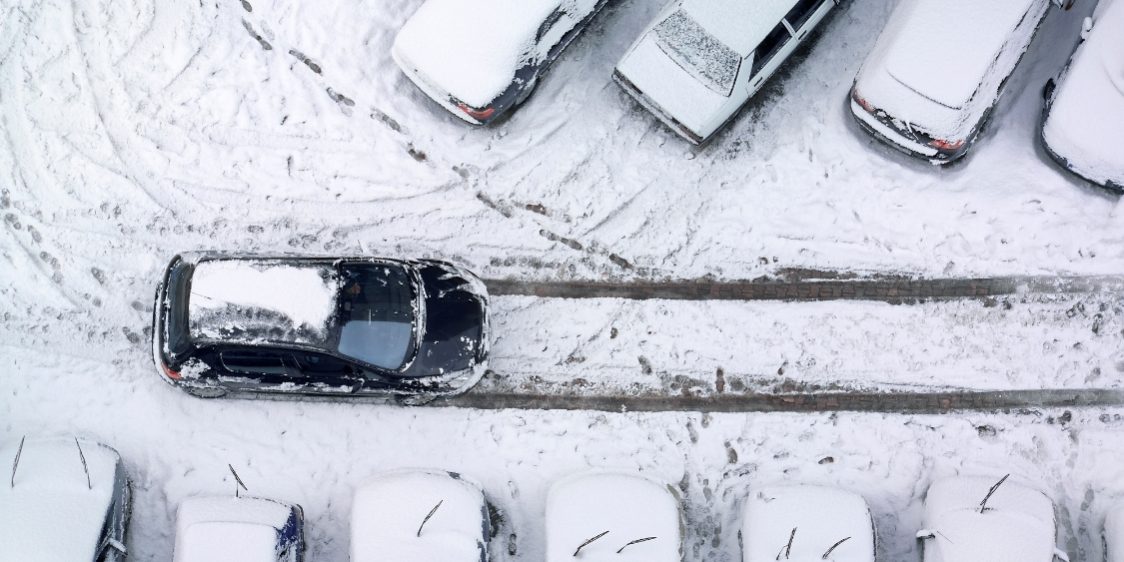
Restaurant snow removal in Bucks County runs on a tighter clock than almost any other commercial property. The lot has to be plowed, salted and walkable before the first lunch guest pulls in. That work usually happens while the snow is still falling. An office park can open an hour late without losing much. A kitchen that misses a Friday dinner never gets that revenue back.
Bucks County also makes the job harder than a map suggests. Restaurants here sit in strip plazas along Route 611. Others sit in converted houses on Main Street in Doylestown, or on small pads off Street Road in Warminster. So each layout needs its own sequence, and almost none of them have room for the pile.
Where the First Hour Goes
Order of operations decides whether you open on time. Good restaurant snow removal in Bucks County starts at the apron, never in the middle of the lot. A crew that starts in the middle of the lot looks productive. But guests still cannot reach the door. So the sequence that works starts narrow and then widens.
- Entrance apron off the road, so cars and delivery trucks turn in without stopping traffic.
- Front walk and ADA ramp, because that is where falls happen and where claims start.
- Drive lane from the entrance to the door, cleared full width instead of one pass.
- Service area behind the building, including the dumpster pad and the delivery door.
- Overflow parking last, once the rest of the site is open.
Staff spaces and guest spaces also rank differently. Prep cooks arrive hours before the dining room opens. So the back corner of the lot often needs the first push of the morning.
Restaurant Snow Removal in Bucks County and the Two Daily Windows
Most restaurants open twice a day. Restaurant snow removal in Bucks County has to respect both windows. Lunch needs a clear site by late morning. Dinner needs a second look. A lot that drained at noon can glaze over by four, once the sun drops behind the building. That afternoon refreeze causes most winter slip reports.
So ask for the second visit in writing. One push per storm reads cheaper on paper. Yet it leaves your dinner shift and your guests walking on black ice. A return trip for salt costs far less than one claim.
Small Lots and Nowhere to Put the Pile
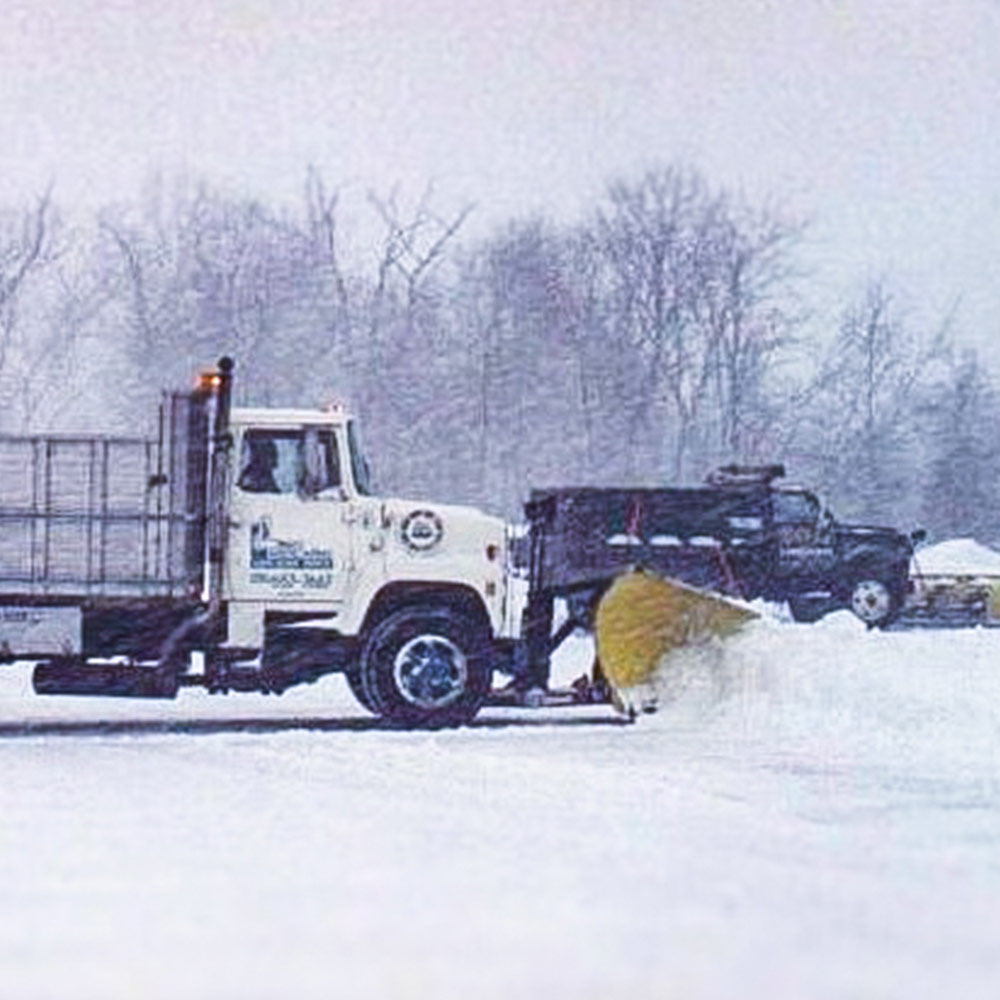
Stacking room is the constraint nobody plans for in October, and it shapes restaurant snow removal in Bucks County more than horsepower does. A sixty space pad behind a plaza on Easton Road handles one storm fine. Then three storms land in ten days. Now the pile swallows six spaces, blocks the sight line at the exit, and melts across the lane each afternoon. The Lingo Group loads and hauls excess snow off site for exactly that reason. That keeps a tight property usable deeper into the season.
Pick the pile spot on purpose before winter starts. Put it downhill of the building and away from the dumpster. Never put it in front of a storefront window or a patio rail. Meltwater runs where you put the snow, so a pile above your entrance becomes an ice sheet by Tuesday.
Salt, Brine and the Corners That Stay Slick
Ice management matters more than plowing at a restaurant. Guests walk the whole site in street shoes. Treating pavement before a storm keeps the first layer from bonding. Treating it after a storm handles what the plow leaves behind. Lingo’s commercial snow and ice management service covers de-icing and anti-icing treatments, plus walkway service for sidewalks and ramps.
Some spots refreeze no matter how well the lot was cleared. Shaded north walls hold ice into the afternoon. Overnight lows from the National Weather Service office in Mount Holly tell you which nights those corners will glaze. Downspout outfalls ice over at the curb. Patio pavers and bluestone steps stay slick after the asphalt has dried. Rock salt also slows down badly near twenty degrees, a limit Penn State Extension explains well. So a cold snap calls for a different product rather than a heavier spread.
What the Contract Should Say Before December
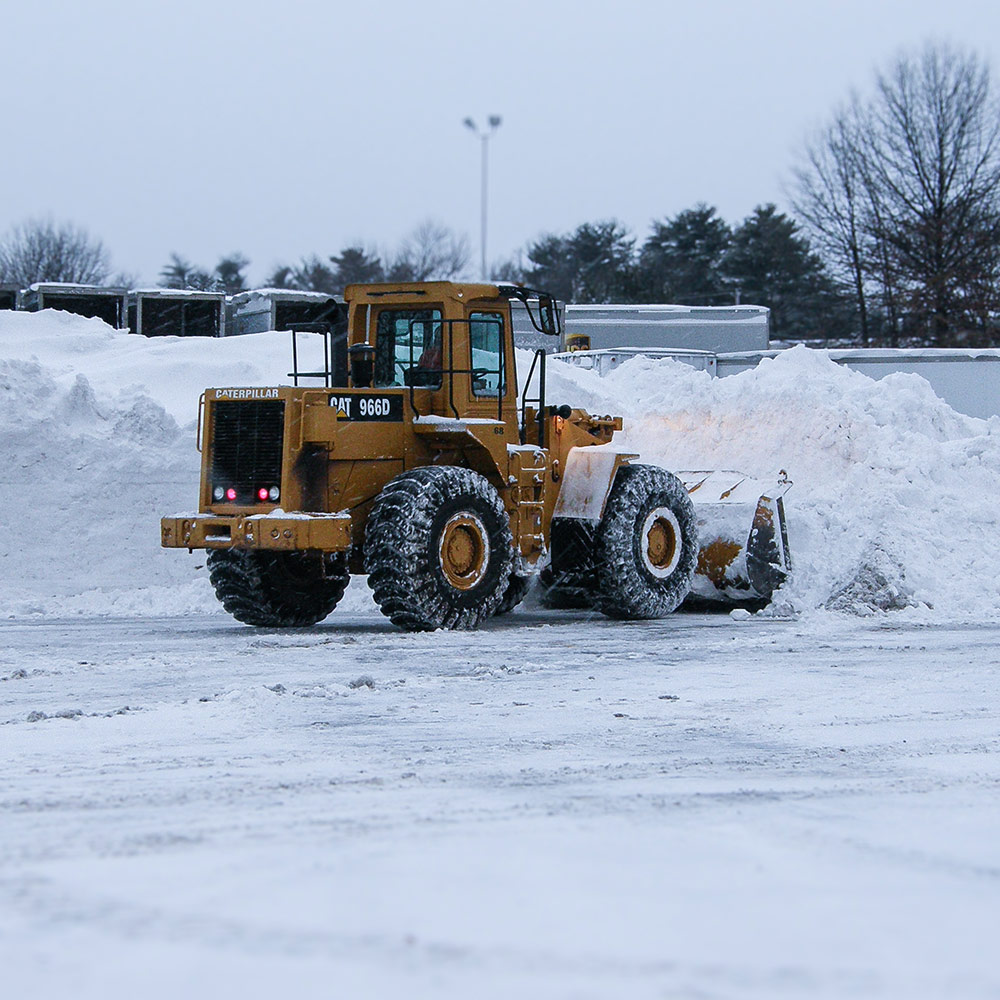
Trigger depth is the number that dispatches a crew. Most restaurants do better with two numbers instead of one. Lingo builds commercial contracts around set tiers. The two that fit food service best are high traffic at one inch and sidewalk specific at half an inch to one inch. Running the walk and the lot at the same depth either overspends on pavement or leaves your front door unsafe.
Price follows measurable site conditions rather than a phone quote. Cleared square footage, stacking room, walkway linear footage and billing structure all move the number. Per event billing costs less in a mild winter and more in a heavy one. A seasonal contract fixes the budget either way. Owners watching a thin winter margin usually take the fixed figure.
One more detail is worth knowing early. The Lingo Group does not run an emergency snow hotline and does not promise an emergency response window. Contracted properties get service on the schedule their trigger depth and priority tier set. So the honest way to protect a Saturday night is simple. Sign before the season, then set the triggers correctly.
The Lingo Takeaway
A restaurant lot is small, busy and watched closely by people in street shoes. That combination rewards planning and punishes a one push contract. Make the entrance, the ramp and the front walk your first priority. Then book a second visit for the dinner window. Choose the pile spot in advance, and put both trigger depths in writing. Do that in October, and January stops deciding whether you serve lunch.
Common questions
How early should a restaurant lot be cleared?
Work backward from your first shift, not your first guest. Restaurant snow removal in Bucks County is scheduled around prep time for that reason. Prep staff usually arrive three or four hours before lunch. So the staff spaces and the service door come first. The guest lot and the front walk should be clear and salted before the doors open.
Do I need plowing only, or full ice management?
Full ice management fits almost every restaurant. Guests cross the lot on foot in dress shoes, often after dark. A plowed lot can still be a sheet of ice. Plow only contracts make more sense where traffic is mostly vehicles.
What happens when my lot runs out of room for snow?
The snow gets loaded and hauled off site. That is standard on tight commercial pads in Bucks County. It is also priced separately, because it needs a loader and trucks rather than a plow.
Does The Lingo Group answer calls during a storm?
Lingo takes calls at (215) 343-7700 during business hours, Monday through Friday. There is no emergency hotline. That is why trigger depths and priority tiers get set during the site walk instead of mid storm.
Is a seasonal contract or per event billing better for a restaurant?
A seasonal contract caps the winter number, which helps when margins are thin. Per event billing wins in a light winter and hurts in a heavy one. Bucks County averages enough storms per season that most multi site operators choose the fixed figure.
By town
Routes get built around properties that commit before the season. The towns below are where Lingo organizes commercial snow work, so restaurant snow removal in Bucks County follows those same routes. If your restaurant sits in one of them, the town page explains how the route runs.
- Commercial snow removal in Doylestown, PA
- Commercial snow removal in Chalfont, PA
- Commercial snow removal in Newtown, PA
- Commercial snow removal in Warrington, PA
- Commercial snow removal in Buckingham, PA
Restaurants inside a plaza sit under the center’s contract. So it helps to read how shopping center snow removal gets sequenced across tenants. Standalone sites carry their own walkway risk, and sidewalk snow removal is where that exposure starts. Township ordinances add their own clocks, and Bucks County links out to each municipality so you can check yours.
Lingo works out of Chalfont, close to the corridors most of the county’s restaurants sit on. That proximity is the whole point of restaurant snow removal in Bucks County done on a route. Call (215) 343-7700 during business hours or use the contact page. We will walk your site, measure it, and set triggers that fit how your dining room actually runs.