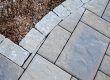

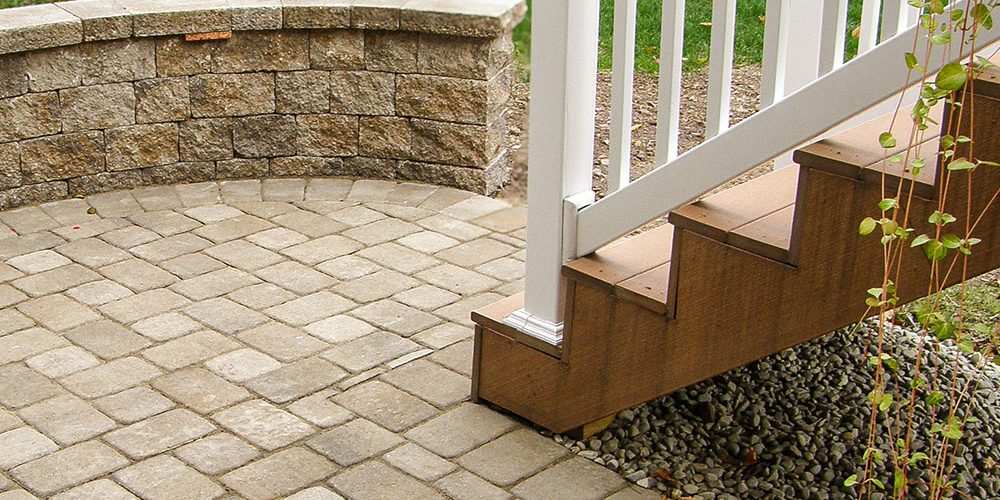
Paver patio installation in Bucks County starts well before the first stone comes off the pallet. If you are planning a paver patio installation in Bucks County this year, the part that decides how it looks in ten years happens underground. It happens in the excavation and the compacted base.
We have built patios out of our own yard on Timber Lane in Chalfont since 1982. The pattern is consistent. Patios rarely fail because of the surface. They fail because of the ground nobody prepared.
Before Anyone Digs
Our sequence is the same on every job. Site visit and measure. Design and a line-item proposal. Township permits and utility marks. Then excavation, compacted base, installation, and a walkthrough at the end.
Two items on that list surprise people. First, utility marks are not optional. Every dig in Pennsylvania goes through the Pennsylvania One Call System first, and that takes lead time. Second, a patio adds impervious surface to your lot. Many townships here regulate how much of that a property can carry, under the county Act 167 stormwater plans. Thresholds differ from township to township, so we confirm yours early.
If you live in one of the planned communities around Newtown, add an HOA submission before the first shovel goes in. Selections usually have to sit inside an approved palette. That approval sets your real start date, not our calendar.
What Comes Out Before Anything Goes In
Excavation is the honest first look at what you are building on. Underneath most of this county is silt loam sitting on clay, shale or rock. Clay holds water instead of shedding it. So a base depth that would be fine on sand is not enough here, and we set the number on site.
Access shapes this stage too. On a Doylestown borough lot with a narrow drive and mature street trees, a mini skid steer is often the largest machine that fits. Every ton of spoil then leaves the way it came in. In a Warrington township development, the subgrade is frequently compacted builder fill under thin topsoil, so there is more excavation than the surface suggests. Out in Buckingham, shallow rock can stop a dig above the planned depth. We would rather find that in week one.
The Layer Nobody Photographs
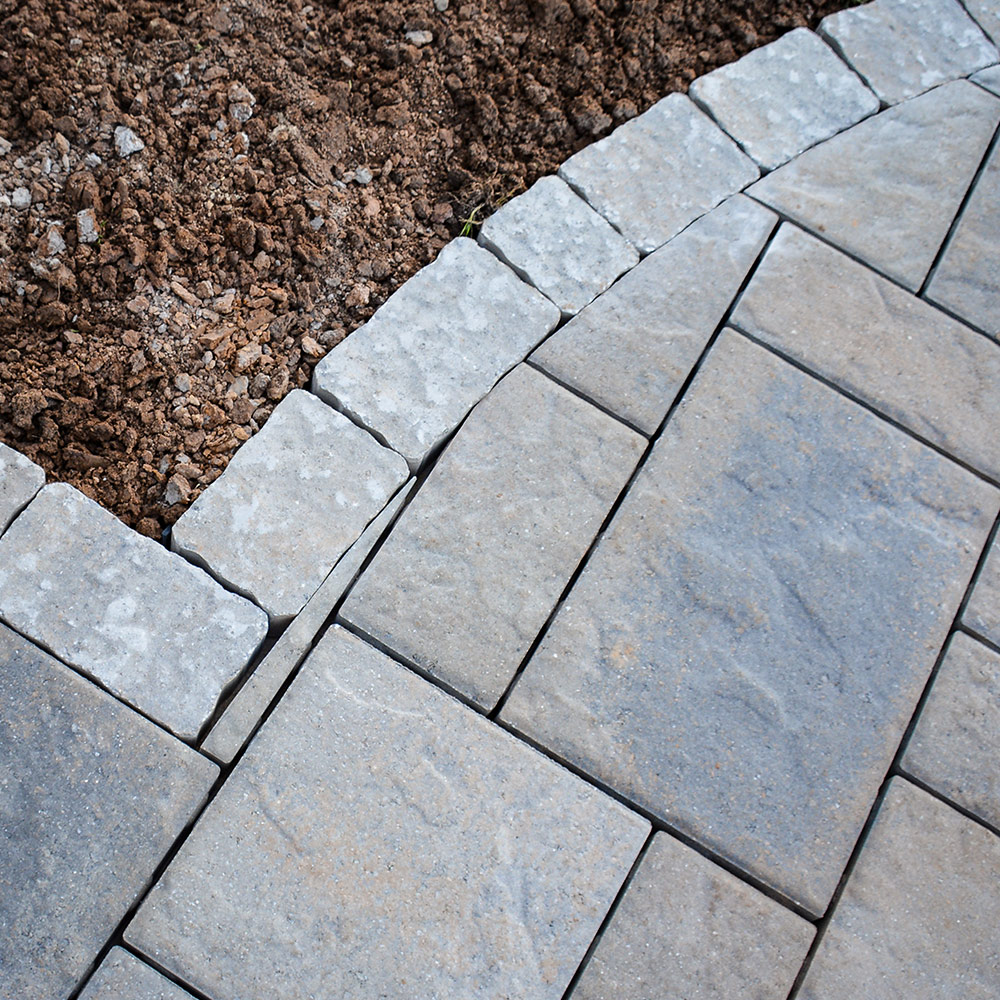
Base stone goes in next, and it goes in lifts. Compaction only reaches so far into a layer. So six inches placed in two passes behaves differently than six inches dumped at once and rolled on top. On clay subgrade, a geotextile between soil and stone keeps the two from mixing. Fine soil migrating up into the aggregate is what silts a base and starts the settling years later.
Compaction is the whole game. Penn State Extension has good material on how compaction changes the way soil handles water. The same physics that stresses roots also decides whether your patio stays flat. Then comes edge restraint, which stops the outer courses creeping outward under traffic and freeze cycles. Nobody sees it afterward. It is also why a patio edge still runs straight a decade later.
Setting the Field
Now the pavers go down. This is the stage homeowners picture when they call. A paver field is not one rigid slab. It is hundreds of units that move with the ground instead of cracking across it. A single unit can also be lifted and relaid later without the repair showing.
We set out pattern, borders and banding before any cutting starts. A border that dies into an awkward sliver at the house wall is the detail you notice every day. Curves, inlays, seat walls and steps all add hours, and steps add the most of anything in a hardscape. If lighting or audio belongs in the plan, decide now, while the ground is open. Both sit inside our own outdoor lighting and audio work, so nobody trenches through a finished patio later.
Where The Water Goes Afterward
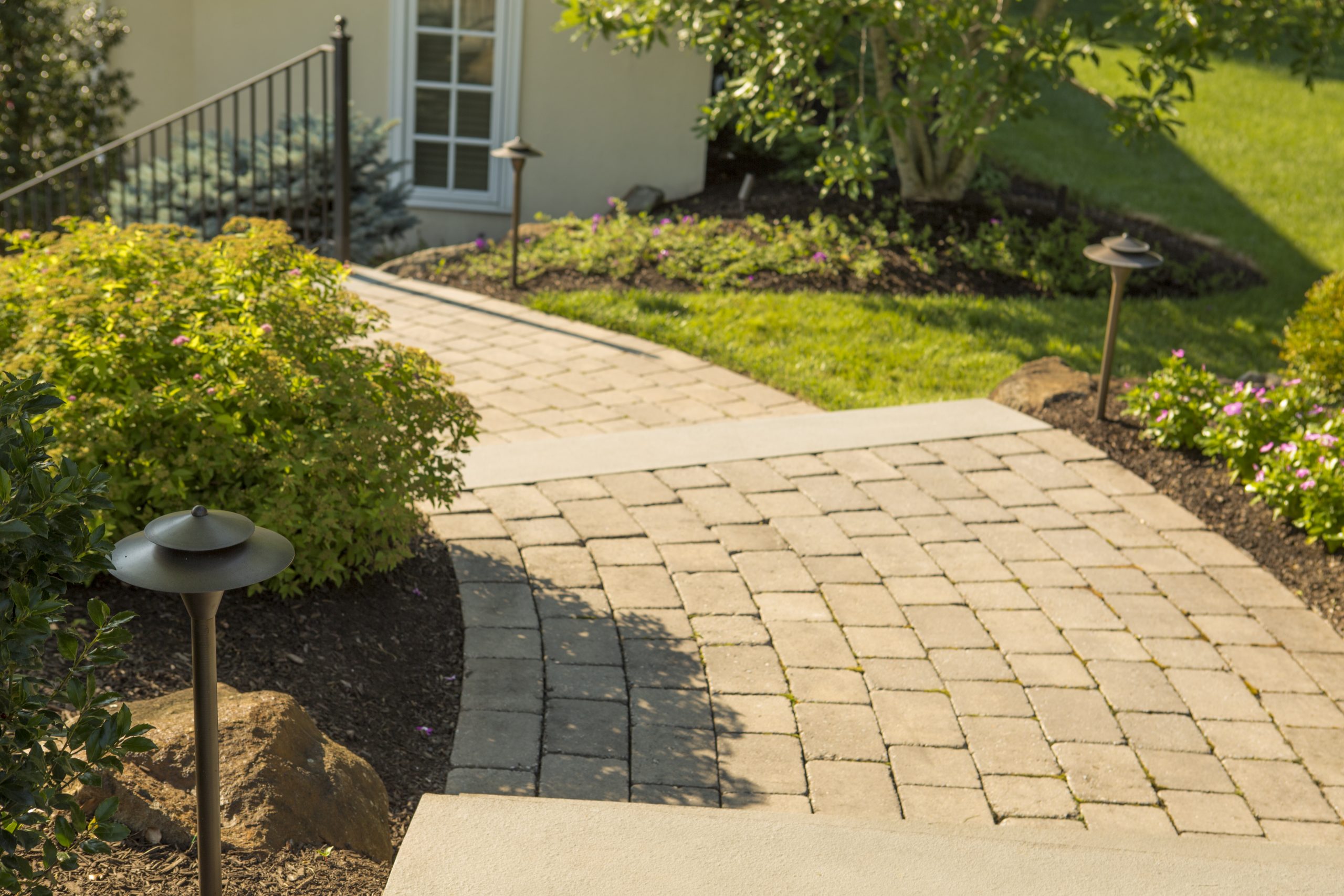
Every patio changes how water crosses a property. The surface has to pitch away from the house. The fall should be one you cannot feel underfoot, though water finds it easily. Then the water leaving that surface needs somewhere to go that is not your foundation or a neighbor’s yard.
Downspouts matter more than people expect. A downspout discharging onto a new patio will freeze into a sheet in January. So we usually pipe it under the base and out to daylight while the excavation is open. We handle low spots along the edge the same way, with grading or a drain. Standing water on clay does not soak away quickly. It sits there until it freezes.
Autumn Timing For Paver Patio Installation In Bucks County
We build hardscape through most of the year here. We stop for frozen ground and saturated conditions, and not much else. Autumn and early winter are often the least congested time to schedule. Spring, meanwhile, books up first and fastest.
There is a second argument for building now. Southeastern Pennsylvania does not freeze once and stay frozen. It freezes and thaws repeatedly from December through March. Every cycle is a chance for trapped water to lift a poorly based surface. Anything with a footing that must stay still through winter has to sit below the frost line, which runs to around three feet locally. A patio based properly in October has all winter to prove it.
The Lingo Takeaway
A paver patio installation in Bucks County is a drainage and excavation project with a beautiful surface on top. The pavers set the look. The base depth, the compaction, the edge restraint and the pitch set the lifespan. That is why we walk a property before quoting instead of pricing by the square foot over the phone. Two patios of identical size a mile apart can differ widely on access, grade, subgrade and drainage.
We run our own crews and our own equipment, so the schedule never waits on a subcontractor. Patios sit inside our hardscaping and masonry service. They are usually planned alongside grading and planting, so the property resolves as one piece.
Common Questions
How deep does the base actually need to be?
It depends on your subgrade and the load. Clay needs more excavation and more compacted aggregate than sandy ground. A driveway needs considerably more than a patio. We determine it on site rather than applying one number everywhere.
Will a paver patio crack or settle?
A paver field is flexible, so it moves with the ground rather than cracking across the middle. Individual units lift and relay when something does move. Poured concrete behaves differently, because it is rigid and eventually cracks at its control joints.
Do I need a permit for a patio?
Often yes, though it varies by township. The reason is usually impervious coverage rather than the patio itself. Grade changes, walls and steps can pull other thresholds in as well, so we sort the paperwork during design.
How long does paver patio installation in Bucks County take?
Most of the calendar goes to what surrounds the build. Permits, utility marks, HOA approval and material lead times take the time. The site work itself runs continuously once we start. You also get the sequence up front, so you know which days the drive is occupied.
Can you match the stone on my house?
Usually. On older properties we work with salvaged and reclaimed stone where we can. Material that has weathered for two centuries cannot be matched by anything bought new. Our guide to hardscape materials covers the trade-offs between pavers, bluestone and poured concrete.
By Town
We handle paver patio installation in Bucks County from Chalfont, and each area brings its own conditions. Start with the page closest to you: Doylestown, Newtown, Warrington, Chalfont and Buckingham. We also work across Warminster, Jamison, New Britain, Hilltown and Solebury.
Does your slope need holding before a terrace can sit level? Our piece on retaining walls in Bucks County covers what that involves.
Talk To Us About The Space
Ready to talk through a paver patio installation in Bucks County on your own property? Call (215) 343-7700 or use our contact page. We will come out, look at the grade, look at where the water goes, and tell you plainly what the site needs.